
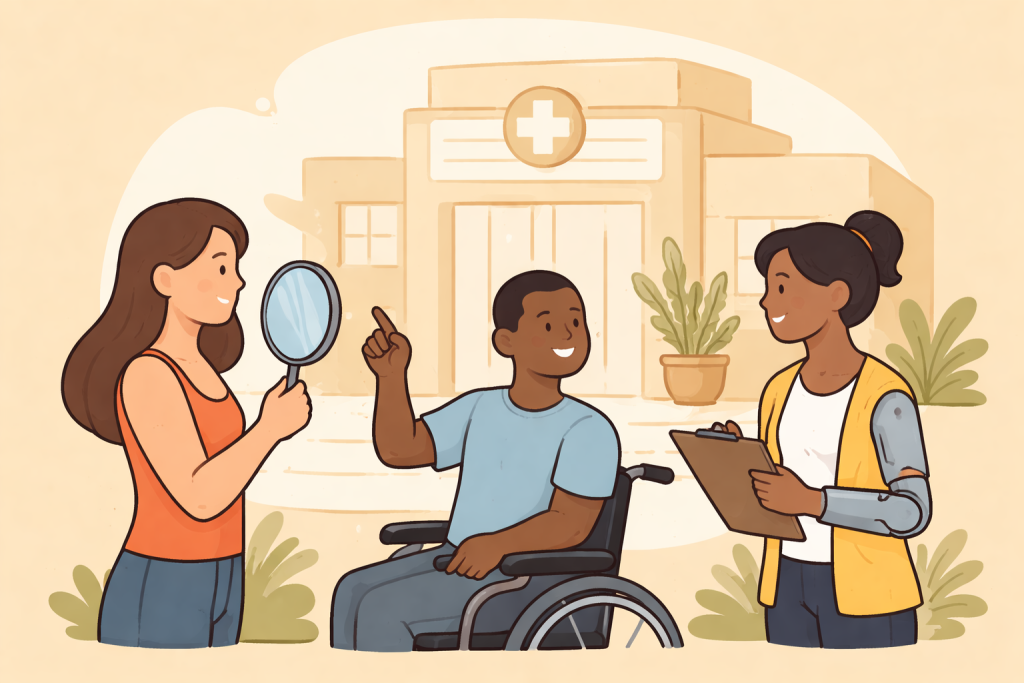
Plastic surgery is often associated with aesthetics, but for people with disabilities, it can play a far more meaningful and transformative role. When medically necessary, plastic and reconstructive procedures can significantly improve function, independence, and overall quality of life. Rather than focusing solely on appearance, these interventions often address physical challenges that interfere with daily activities, mobility, or comfort.
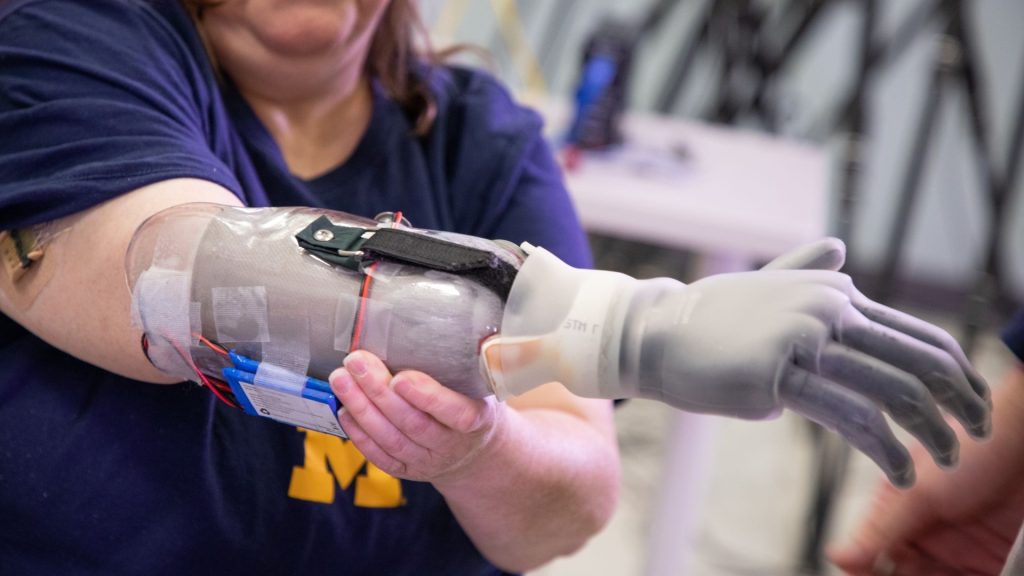
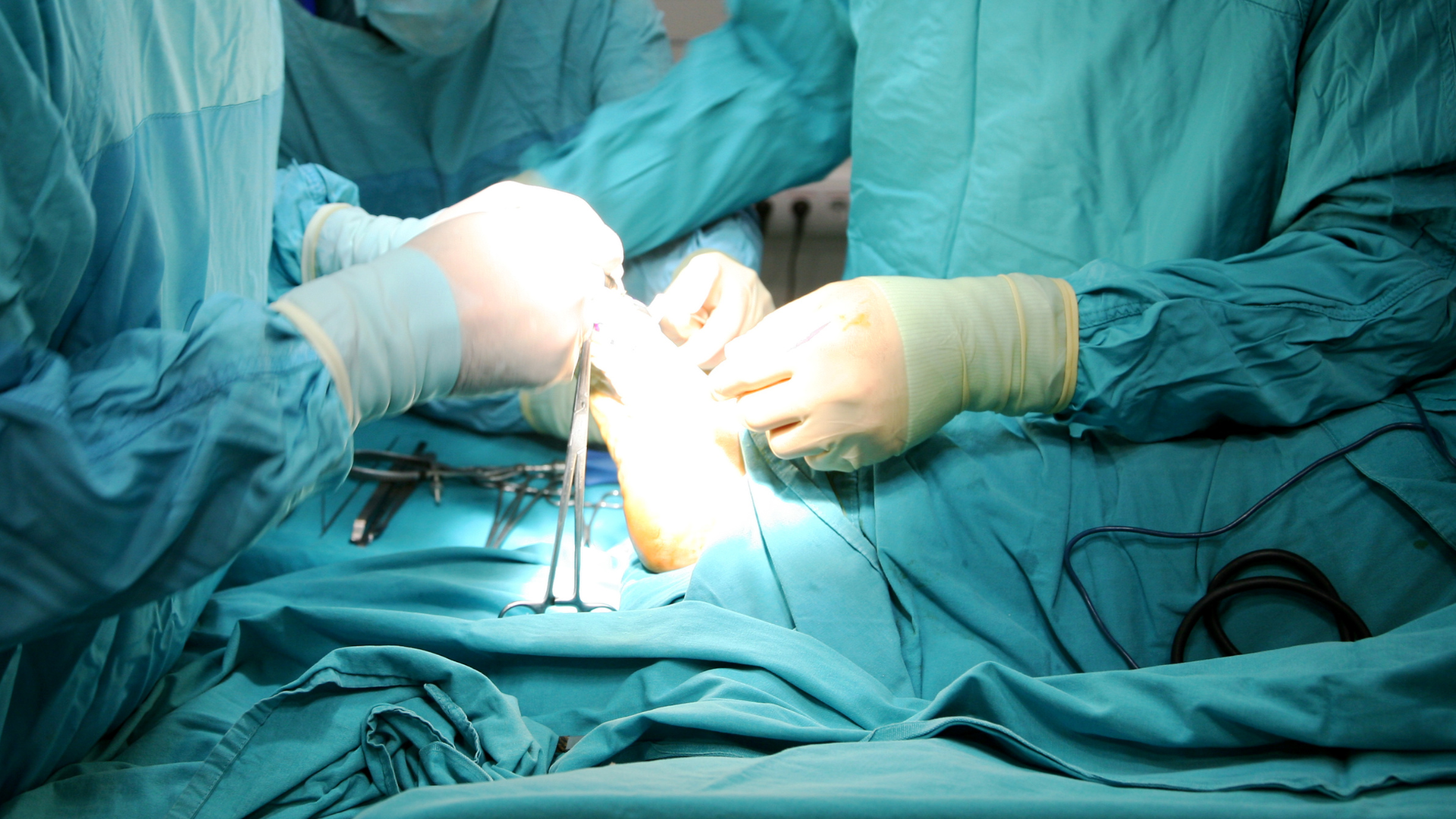
For many individuals, reconstructive plastic surgery helps correct congenital conditions, injuries, or complications related to disability. Procedures can improve the ability to perform essential tasks such as eating, speaking, or using one’s hands. In cases where mobility aids or prosthetics are used, surgery may enhance fit and comfort, reducing pain and preventing further complications. This functional improvement can lead to greater autonomy and participation in everyday life.
Beyond the physical benefits, there is also an important emotional and psychological impact. Living with visible differences or physical limitations can sometimes affect self-esteem and social confidence. When appropriate, plastic surgery can help individuals feel more comfortable in their own bodies, promoting a stronger sense of identity and inclusion. Feeling confident can open doors to social, educational, and professional opportunities that may have previously felt out of reach.
It is essential, however, that these procedures are approached thoughtfully and ethically, with a focus on the individual’s needs and goals. A patient-centered approach—one that involves medical professionals, caregivers, and the individual themselves—ensures that surgery is both necessary and beneficial. Accessibility, informed consent, and realistic expectations should always be part of the conversation.
In conclusion, when performed for the right reasons, plastic surgery can be a powerful tool for supporting people with disabilities. By improving function, enhancing comfort, and fostering confidence, it contributes not just to physical well-being, but to a fuller, more independent life.