
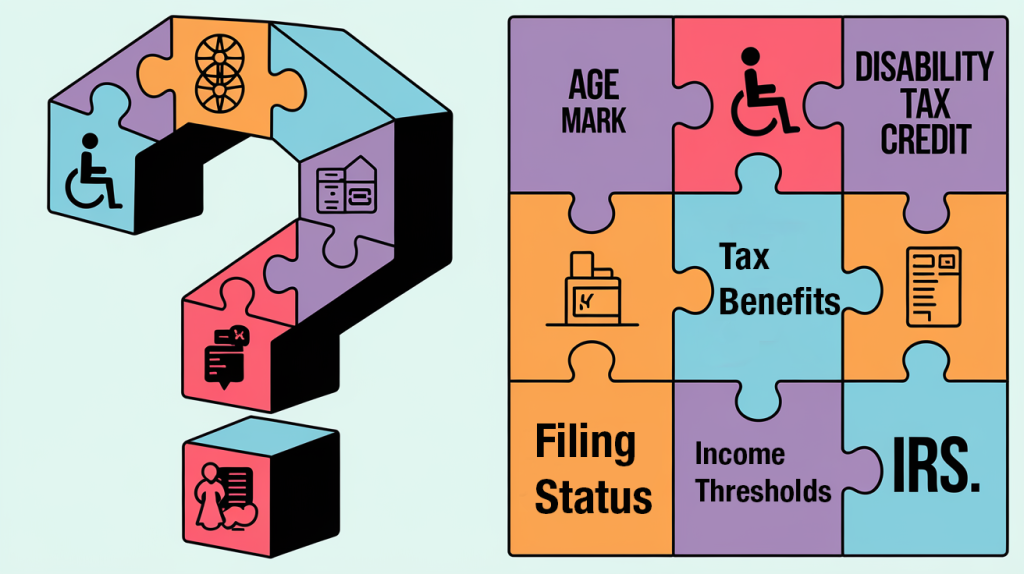
The Disability Tax Credit (DTC) is a government program designed to reduce the financial burden on individuals living with disabilities and their families. In the United States, while the exact term “Disability Tax Credit” is more commonly used in countries like Canada, similar benefits exist through the Internal Revenue Service (IRS), such as tax deductions, credits, and exemptions for eligible individuals with disabilities. These programs aim to recognize the extra costs associated with medical care, assistive devices, and daily living support.
One of the main advantages of disability-related tax credits is financial relief. Individuals may qualify for deductions on medical expenses, caregiving costs, or necessary home modifications, helping to offset ongoing expenses. Another key benefit is increased access to support services, as the savings from tax credits can be redirected toward therapies, assistive technologies, or personal care—enhancing overall quality of life. Additionally, these credits can support caregivers and families, easing the financial strain and allowing them to focus more on providing quality care.
Disability tax benefits also promote greater independence and inclusion. By reducing economic barriers, individuals with disabilities are better able to participate in their communities, pursue employment opportunities, and maintain a higher level of autonomy. For many families, these credits are not just a financial tool—they are an essential part of building a more stable and supportive future.
Understanding and applying for available disability tax benefits can make a meaningful difference. Consulting a tax professional or exploring IRS resources can help ensure that eligible individuals receive the support they deserve.