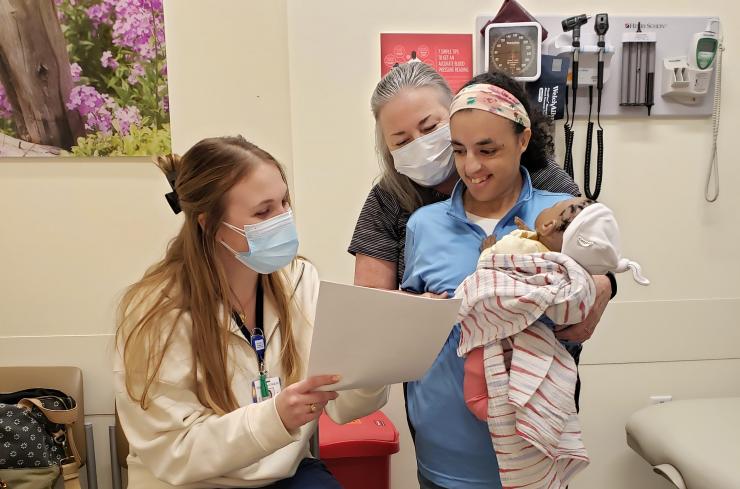
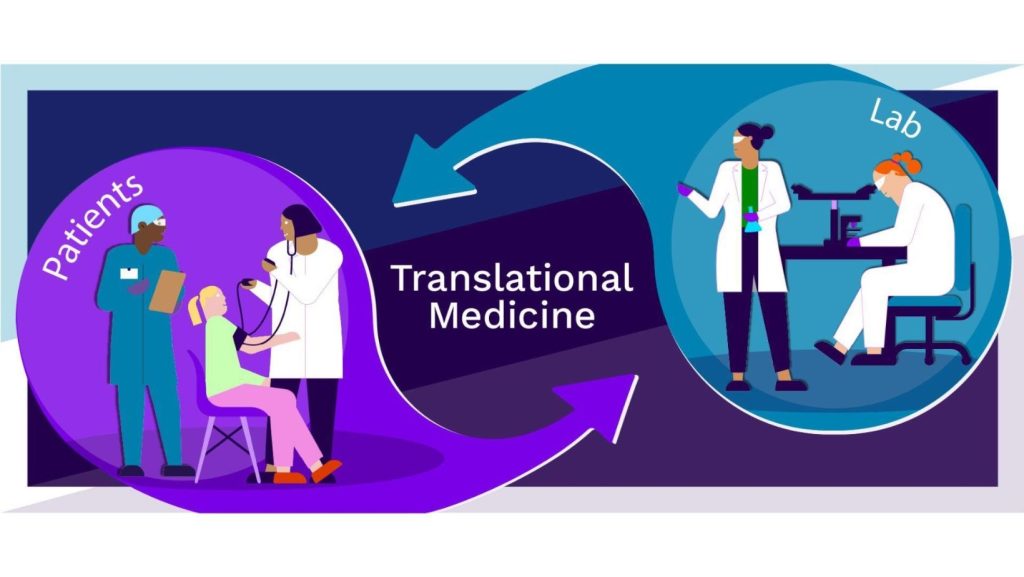
Translational Medicine is an innovative approach in healthcare that focuses on turning scientific discoveries into practical treatments and interventions that improve patient outcomes. Often described as “bench-to-bedside,” this field connects laboratory research with clinical care, ensuring that new therapies, technologies, and strategies reach the people who need them most—faster and more effectively. For adults with disabilities, translational medicine offers meaningful opportunities to enhance quality of life, independence, and access to personalized care.
One of the greatest advantages of translational medicine is the development of targeted therapies. By understanding the unique biological, genetic, and environmental factors that affect individuals with disabilities, researchers can design treatments that are more precise and effective. This is especially valuable for conditions that have historically been under-researched or misunderstood, leading to more inclusive and equitable healthcare solutions.
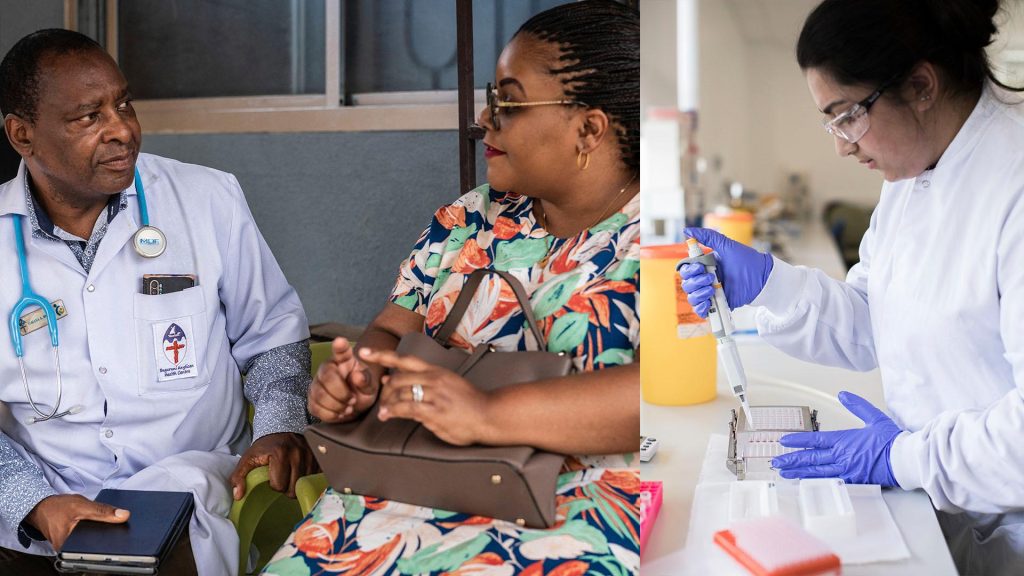
Another key benefit is the advancement of assistive technologies and rehabilitation strategies. Translational research helps bring innovations such as adaptive devices, smart wearables, and improved mobility aids from concept to real-world use. These tools can empower adults with disabilities to perform daily activities more independently, participate in their communities, and maintain greater control over their health and well-being.
Translational medicine also promotes faster access to new treatments through clinical trials and collaborative research. By involving diverse populations—including adults with disabilities—in the research process, healthcare systems can ensure that new therapies are safe, effective, and accessible for everyone. This inclusive approach helps reduce healthcare disparities and improves overall outcomes.
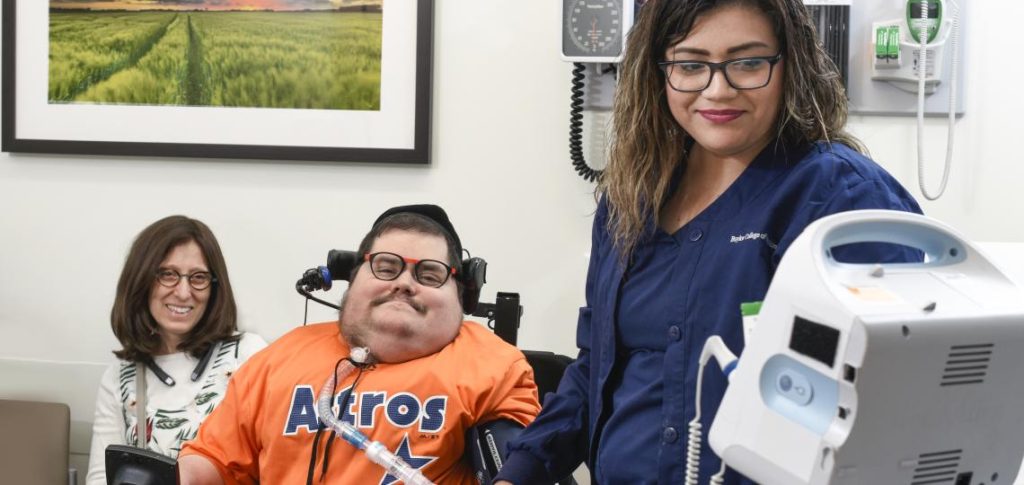
In addition, this field supports a more holistic and person-centered model of care. It encourages collaboration between scientists, healthcare providers, caregivers, and patients, ensuring that real-life experiences shape medical innovation. For Direct Support Professionals (DSPs) and caregivers, this means having access to better tools, knowledge, and resources to provide high-quality, individualized support.
In conclusion, translational medicine plays a vital role in transforming scientific progress into real-world benefits. For adults with disabilities, it opens the door to more personalized treatments, improved assistive technologies, and a more inclusive healthcare system—ultimately fostering greater independence, dignity, and quality of life.