September is Deaf Awareness Month, a time to celebrate Deaf and hard-of-hearing individuals, recognize their achievements, and promote greater understanding, respect, and inclusion within our communities.
“The International Day of the Deaf was first celebrated on September 28, 1958, established by the World Federation of the Deaf. Over time, recognition was expanded to observe a full week, now known as the International Week of Deaf People, held annually during the last full week of September. Today, many also recognize the entire month of September as Deaf Awareness Month, using this time to promote greater understanding, visibility, and inclusion of Deaf communities. The 2026 theme for International Week of Deaf People is “Declaring Deaf People’s Human Rights.””*
*https://seramount.com/resources/celebrating-deaf-awareness-month/
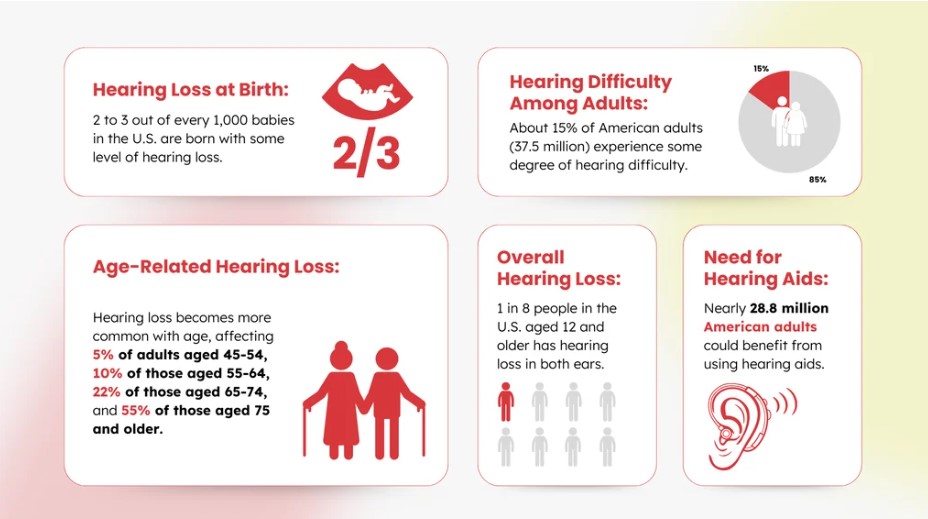
Deaf Awareness Month reminds us that communication goes far beyond spoken words. American Sign Language (ASL), facial expressions, gestures, technology, and other forms of communication provide meaningful ways for people to connect, express themselves, and participate fully in everyday life.
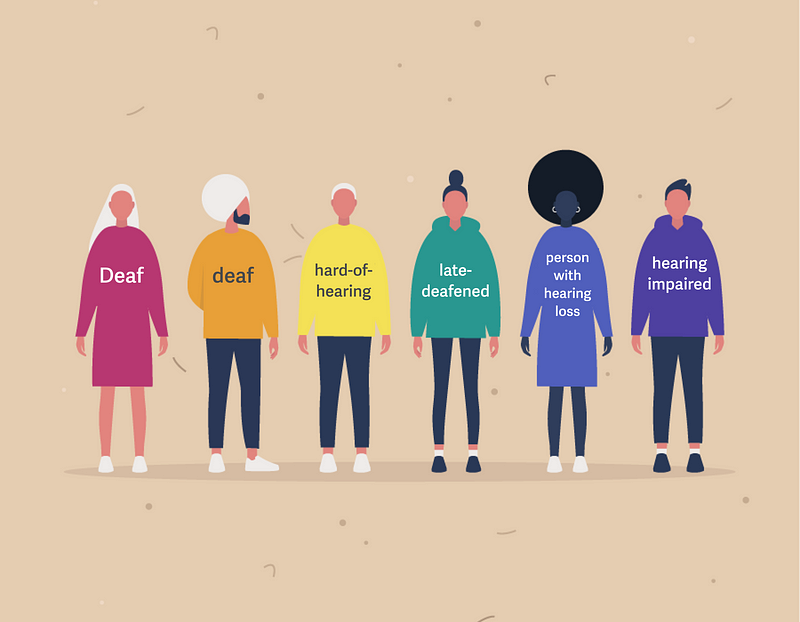
It is also an opportunity to learn more about Deaf culture and the diverse experiences of people who are Deaf or hard of hearing. Rather than focusing on limitations, we can focus on abilities, individuality, and the importance of creating environments where everyone feels valued and included.
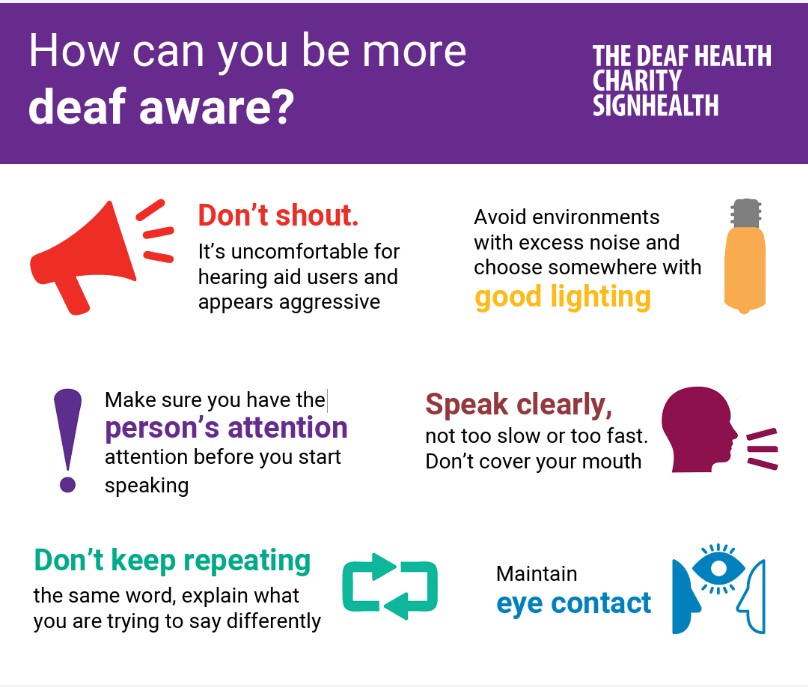
For organizations that support people with disabilities, Deaf Awareness Month is a wonderful reminder that accessibility begins with communication. Learning basic signs, being patient, maintaining eye contact, using visual information, and asking someone how they prefer to communicate can make a meaningful difference.
Most importantly, inclusion is not just about providing access—it is about creating a sense of belonging.
This September, let’s take the opportunity to listen, learn, communicate, and connect. By embracing different ways of communicating, we help build a community where every voice can be heard, every person can be understood, and everyone has a place at the table.