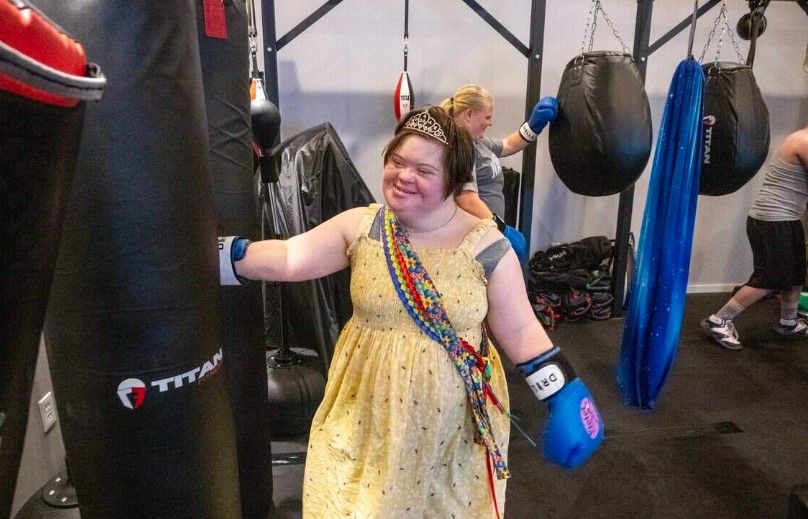
Every child deserves the chance to run, climb, jump, and play alongside their peers. For kids with developmental disabilities — including autism, Down syndrome, cerebral palsy, ADHD, and sensory processing differences — that chance isn’t always guaranteed. Traditional gym settings, with their loud noises, rigid structures, and one-size-fits-all instruction, can feel overwhelming or exclusionary. Inclusive fitness programs are changing that story, one gym at a time.
What Inclusive Fitness Looks Like
Inclusive fitness isn’t about lowering expectations — it’s about widening the doorway. A truly inclusive gym environment adapts how movement is taught, not whether a child gets to move. That might mean:
- Sensory-friendly spaces, with dimmable lights, quiet zones, and reduced background noise for kids who are easily overstimulated.
- Visual schedules and clear routines, which help children who thrive on predictability know what’s coming next.
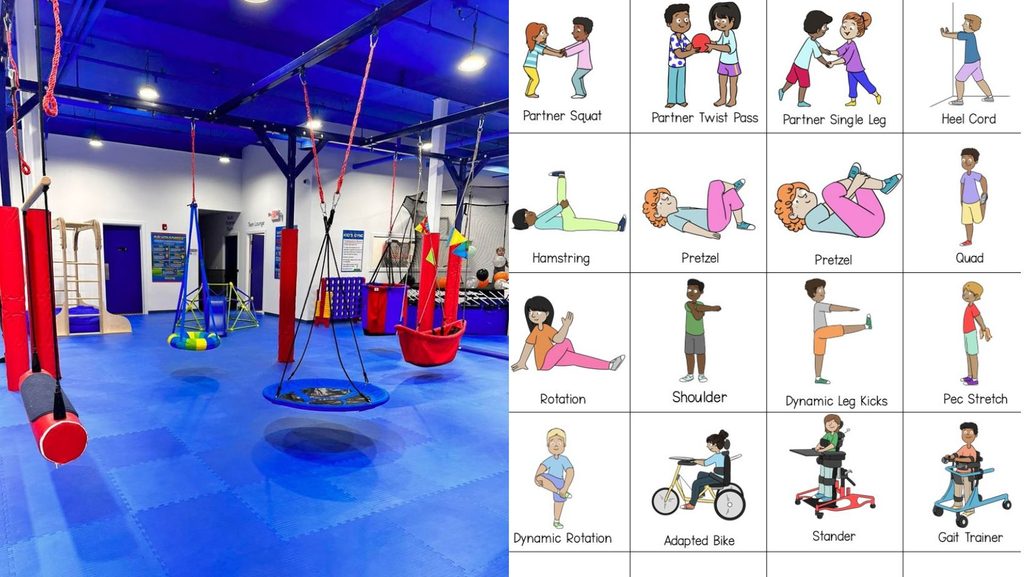
- Flexible equipment and modified stations, so a balance beam, climbing wall, or obstacle course can be adjusted to a child’s specific strengths and needs.
- Trained staff, who understand how to offer support without taking over, and who celebrate effort as much as achievement.
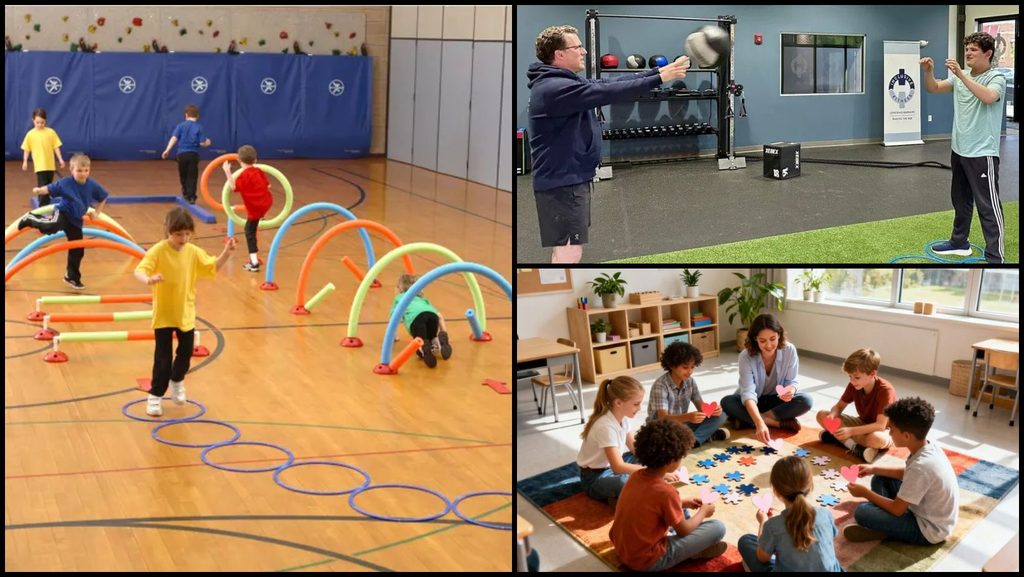
- Buddy systems and small-group formats, which build peer connection instead of isolating kids in a “special” corner.
Why It Matters
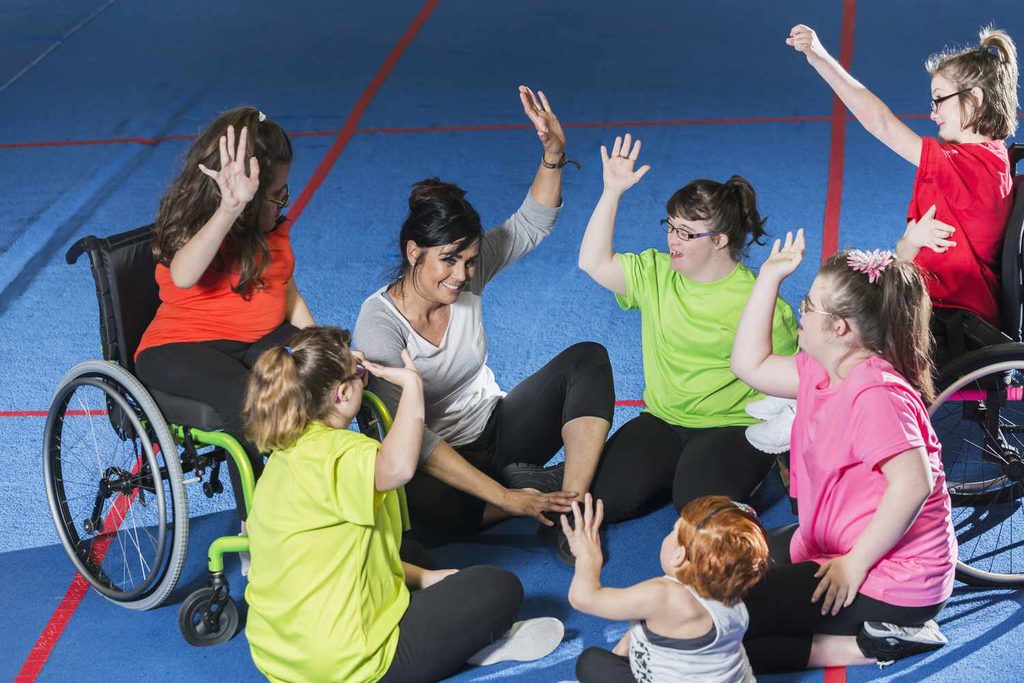
The benefits of physical activity — stronger muscles, better coordination, improved cardiovascular health — apply to every child, disability or not. But for kids with developmental disabilities, inclusive fitness offers something more: a sense of belonging. Movement becomes a shared language. A child who struggles with verbal communication can still high-five a teammate after a good climb. A child who finds new environments stressful can build confidence in a space designed with them in mind, not just around them.
Inclusive gyms also model something powerful for typically developing children who train alongside their peers with disabilities: that difference isn’t something to work around, but something to work with. Friendships formed on a gym floor, over a shared obstacle course or a cheered-on cartwheel, often carry into classrooms, neighborhoods, and beyond.
Getting Started
Parents looking for inclusive fitness options can start by asking gyms directly about staff training, sensory accommodation, and whether programs are truly integrated or segregated by ability. Organizations like Special Olympics Young Athletes, adaptive sports leagues, and gyms with certified adaptive fitness instructors are good places to look. Even gyms without formal “inclusive” programming are often willing to make small adjustments — shorter sessions, quieter time slots, a familiar coach — if parents ask.
Fitness shouldn’t be a privilege reserved for kids whose bodies and brains fit a narrow mold. When gyms open their doors — and rethink their floors — every child gets to feel what it’s like to be strong, capable, and part of the team.