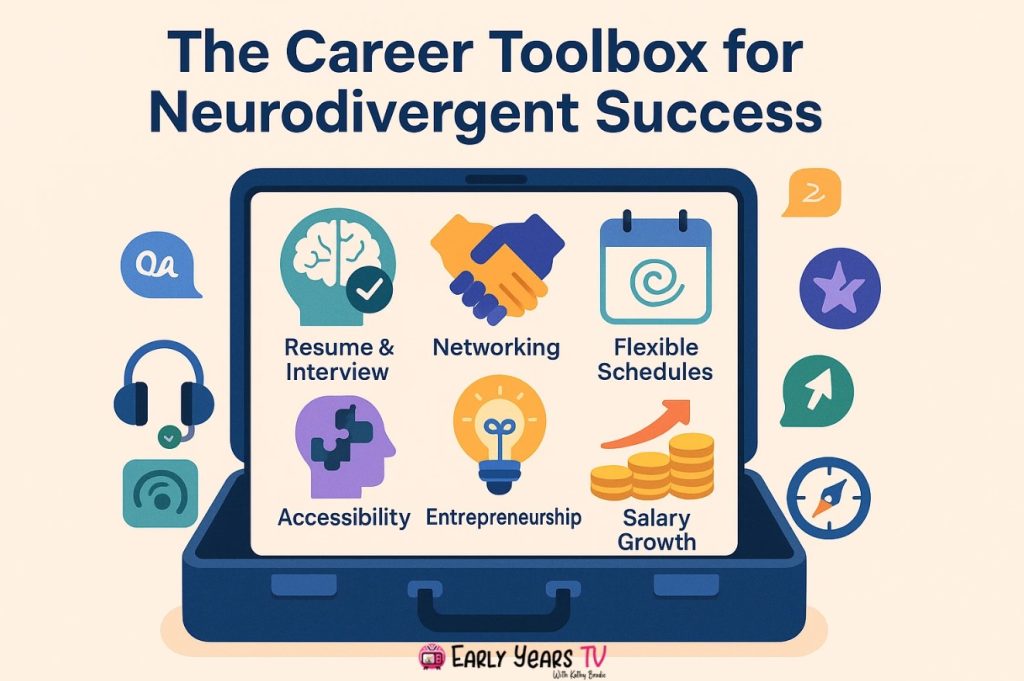

Job hunting is hard enough on its own. For neurodivergent job seekers — including people who are autistic, have ADHD, dyslexia, dyspraxia, or other cognitive differences — the process often comes with an extra layer of friction: interviews built around small talk and eye contact, job ads full of vague soft-skill buzzwords, and workplaces that assume everyone thinks, communicates, and works the same way.
The good news is that more employers are actively rethinking how they hire and support neurodivergent talent. Finding the right fit isn’t about “fixing” yourself to match a job — it’s about identifying environments that let your natural strengths do the work.

Know Your Own Working Style First
Before evaluating any employer, it helps to get specific about how you actually work best. Consider:
- Do you focus better with predictable routines, or do you need variety and novelty?
- Do you prefer written instructions over verbal ones?
- Are open floor plans energizing or overwhelming for you?
- Do you do your best thinking alone, or in collaboration with others?
There’s no right answer — the goal is self-knowledge you can use to filter opportunities, not force yourself into a mold.
What to Look for in a Job Posting
Certain signals in a listing can hint at how flexible and structured a workplace really is:
- Clear, concrete responsibilities rather than vague phrases like “must be a self-starter with great interpersonal skills”
- Explicit mention of flexible or remote work
- Structured onboarding instead of “sink or swim” training
- Accommodation language, such as a statement inviting candidates to request adjustments during the interview process.