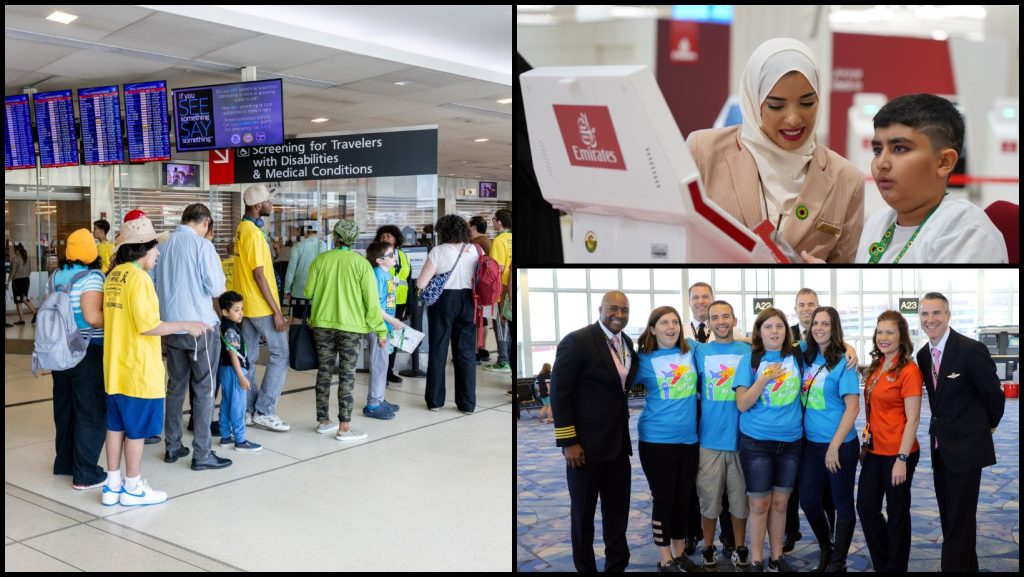
As air travel becomes more accessible and inclusive, many airlines are taking important steps to better support passengers with autism and other sensory sensitivities. Across the industry, airlines are increasingly investing in autism awareness and training programs for pilots, flight attendants, gate agents, and customer service teams. These programs help staff better understand communication differences, sensory challenges, and the unique needs that some autistic travelers may experience during air travel.
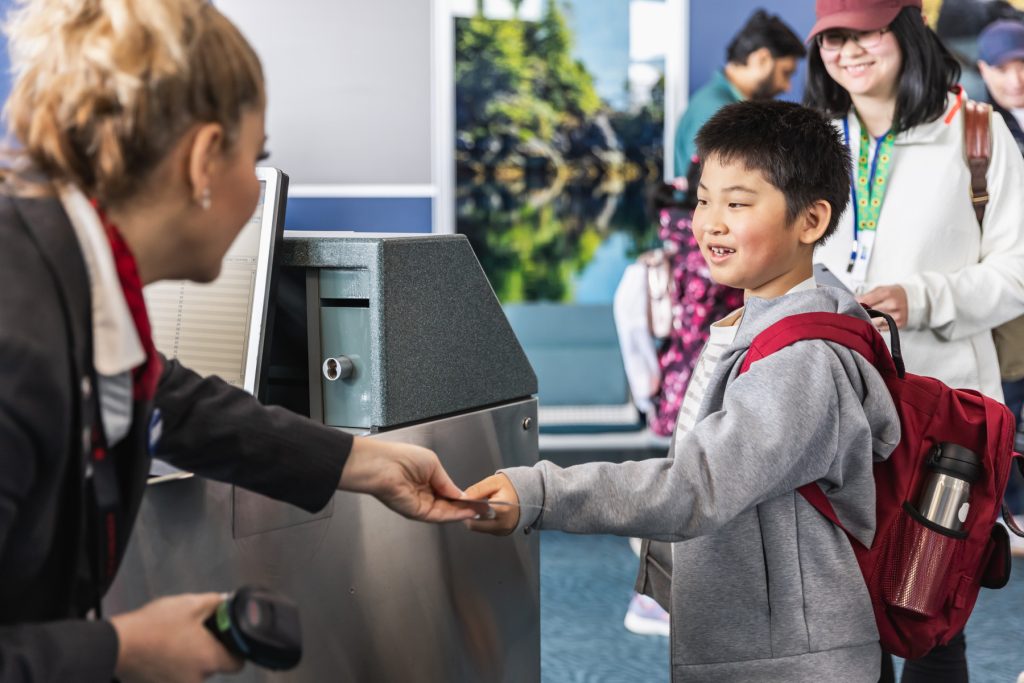
For many individuals with autism, airports and airplanes can feel overwhelming due to loud noises, crowded spaces, schedule changes, and unfamiliar routines. With proper training, airline staff can respond with greater patience, understanding, and flexibility. Simple accommodations such as clear communication, early boarding options, quiet spaces, and sensory-friendly resources can make a significant difference in reducing stress and creating a more positive travel experience for passengers and their families.
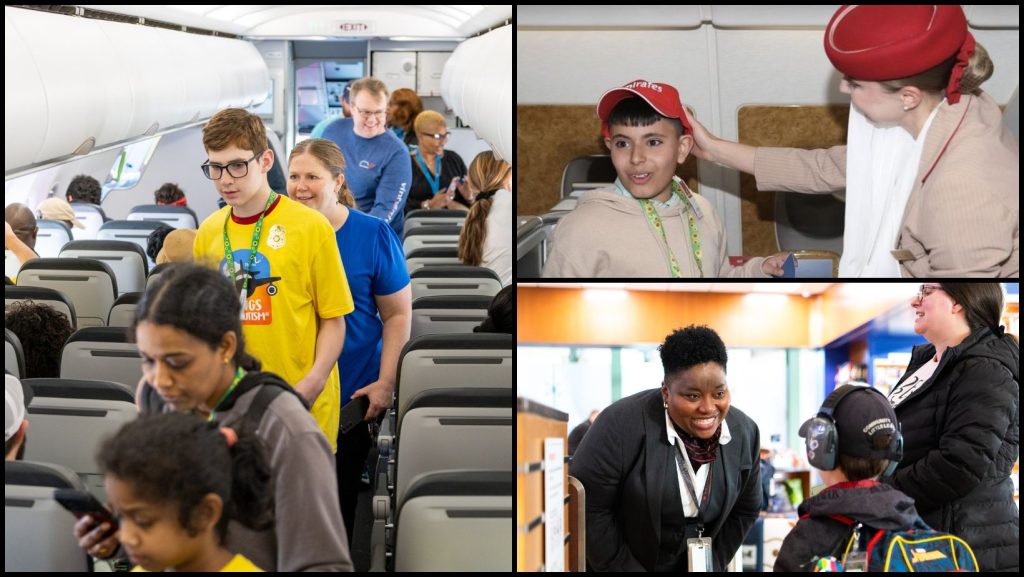
Several airlines now partner with autism organizations to provide specialized education and simulation programs that prepare employees to assist travelers with compassion and confidence. Some airports have also introduced sensory rooms and rehearsal programs that allow families to practice the airport experience before an actual flight. These efforts reflect a growing recognition that accessibility goes beyond physical accommodations—it also includes emotional and sensory support.
The increasing commitment to autism training represents meaningful progress toward inclusive travel for everyone. By creating a more understanding environment, airlines are helping individuals with autism travel more comfortably, confidently, and independently while encouraging greater acceptance and awareness throughout the travel industry.