
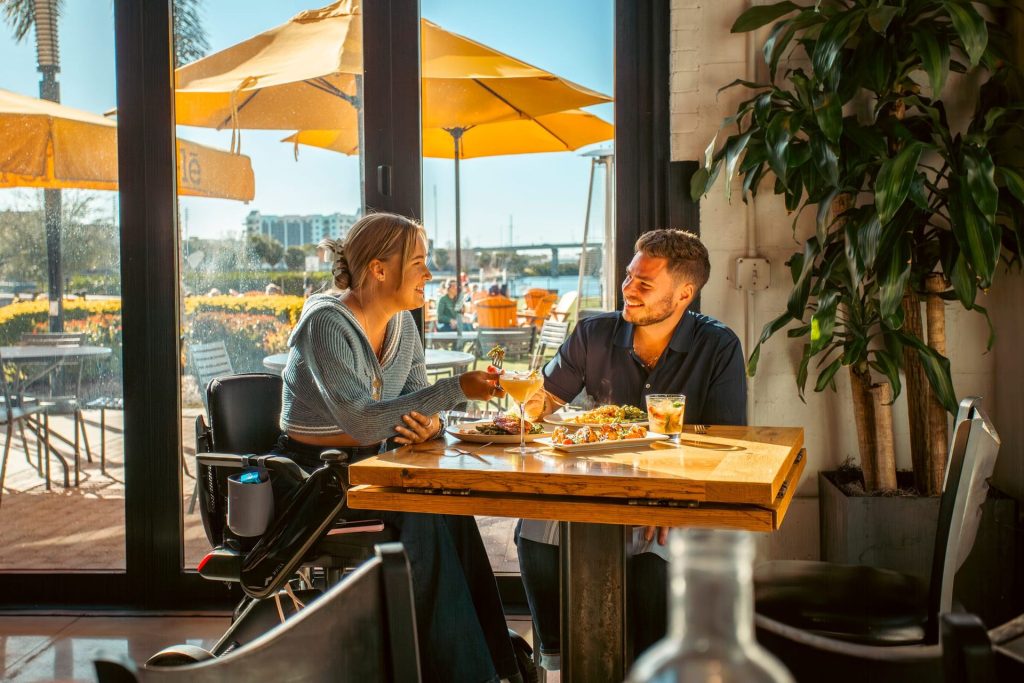
“Creating a restaurant where everyone feels welcome and can comfortably enjoy a meal is not merely a matter of social responsibility—it is also a smart business strategy that can significantly enhance a restaurant’s reputation and customer base. The evolving expectations of diners, coupled with a growing awareness of diverse needs, are making accessibility a key differentiator in the competitive foodservice industry.” [1]
Key Features of Accessible Dining Experiences:
Physical Accessibility
- Wheelchair-accessible entrances, seating, and restrooms
- Tables with appropriate height and clearance for mobility devices
- Wide pathways for easy navigation
- Accessible parking near the entrance
Sensory and Communication Accessibility
- Menus in large print, Braille, or digital formats
- Visual and/or tactile cues for people who are deaf, hard of hearing, blind, or low vision
- Staff trained in communicating with people who use assistive devices or alternative communication methods
- Quiet areas or noise-reduced environments for guests with sensory sensitivities (e.g., autism)
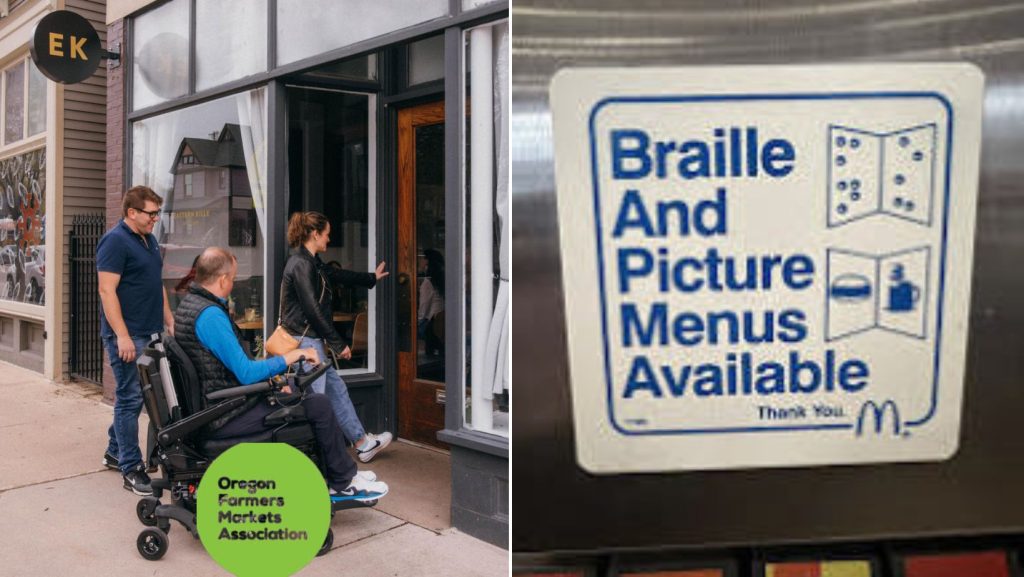
Cognitive and Neurodivergent-Friendly Design
- Clear signage with symbols or simple language
- Predictable layouts and service routines
- Patience and support from staff when ordering or paying
- Option to pre-order meals or access menus online in advance
Dietary and Eating Assistance
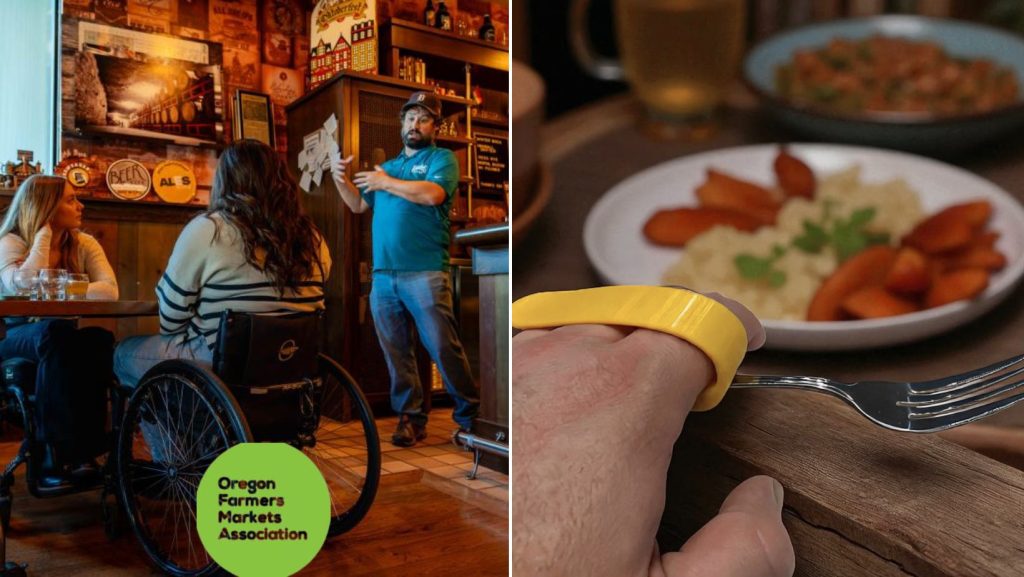
- Staff willing to assist with cutting food or serving if needed
- Adaptive utensils or straws available upon request
- Understanding and accommodation of dietary restrictions related to medical or disability-related needs
A New Era of Eating: 5 Dining Experience Trends
“Let’s take a look at some of the trends that are changing the dining experience
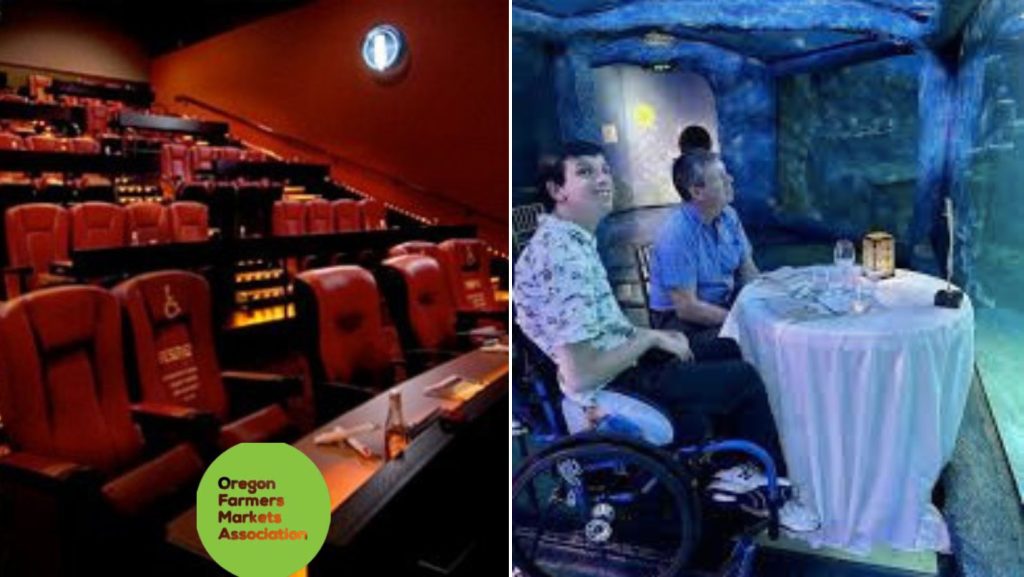
1. Dinner Theaters: Combining dining with live performances, such as musicals, murder mysteries, or even films at dine-in movie theaters like AMC, iPic, or Cinépolis.
2. Underwater Restaurants: Offering meals surrounded by marine life, with venues like EPCOT’s Coral Reef Restaurant and SeaWorld Orlando’s Sharks Underwater Grill and Bar in the USA, and internationally recognized spots like Ithaa Undersea Restaurant in the Maldives.
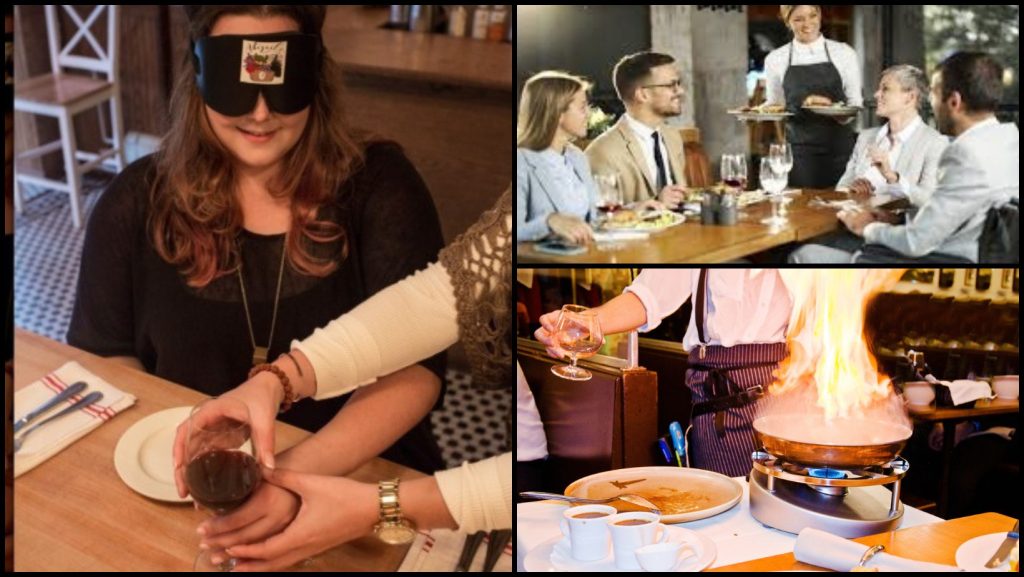
3. Tableside Service: Elevating the presentation of food with tableside carvings, guacamole preparations, or flambe desserts, giving diners a front-row seat to the creation of their meal.
4. Multi-sensory Dining: Engaging all senses with wall projections, scent diffusers, and sound to enhance the culinary experience. Notable examples include Ultraviolet in Shanghai and Sublimotion in Ibiza.
5. Dining in the Dark: Offering an unconventional culinary journey where sight is eliminated, encouraging diners to heighten their other senses. This adventure into darkness inspires guests to rely on taste, touch, and smell to fully appreciate their meals.
As experiential dining elevates the restaurant scene, let’s explore some of the world’s most creative restaurants that are reimagining the way that we eat out.” [2]
Benefits of Accessible Dining:
- Promotes inclusion and social participation
- Encourages independence and autonomy
- Enhances business reputation and expands customer base
- Fosters a more welcoming and equitable community
Resources
[1] https://accountific.co/blog/inclusive-and-accessible-dining-experiences-in-restaurants/
[2] https://userway.org/blog/accessible-dining-experiences/
[3] https://chatgpt.com/c/688bc411-f308-8004-8a33-10abe8bef5b