
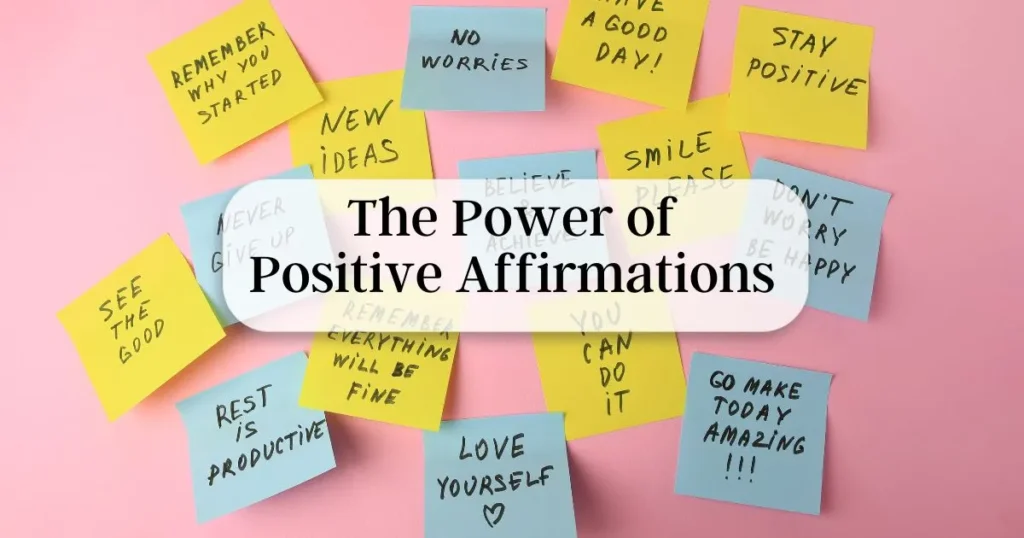
“You may be surprised to learn that positive affirmations can have a significant impact on our mental, emotional, and physical health. People living with disability and those receiving in-home supports may find positive affirmations to be a useful self-care tactic, especially in a society where stigma and inequality still exists.” [1]
“Affirmations are positive statements that help you deal with negative feelings, thoughts, and situations. This may sound too simple; repeating the same sentences won’t change anything around you. But research shows that positive thinking can rewire your brain, changing the way you feel about things. Affirmations work because of neuroplasticity, or the brain’s ability to adapt to new situations.” [2]
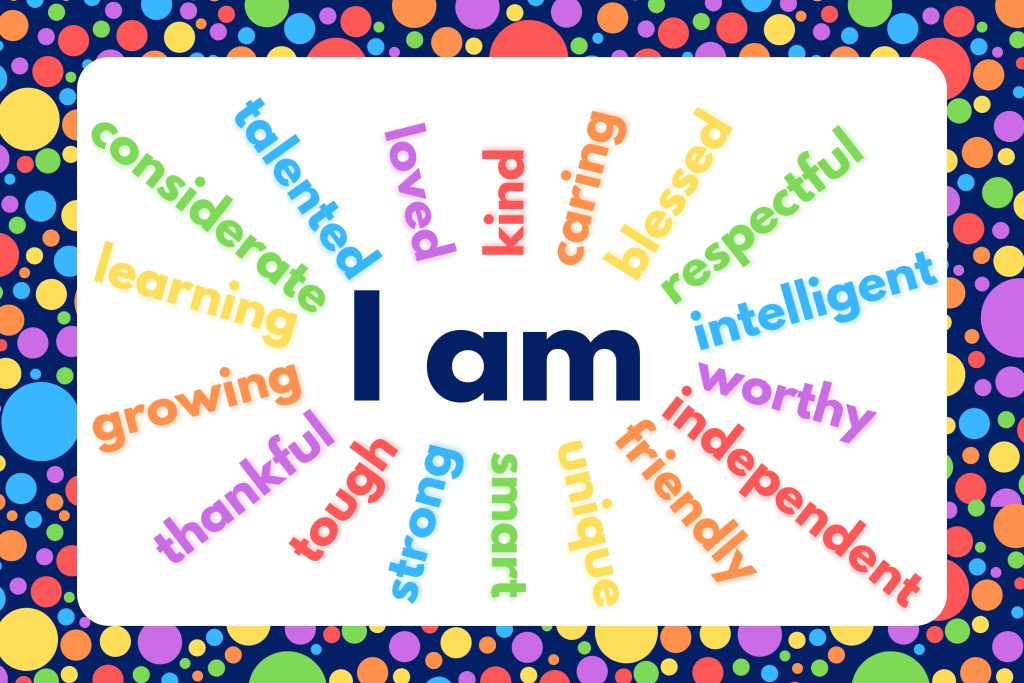
Benefits of Positive Affirmations for Adults with disabilities
“Positive affirmations can be especially beneficial for adults with disabilities, offering emotional, psychological, and even physiological support in navigating daily life. Here’s a breakdown of the key benefits:
1. Enhanced Self-Esteem and Self-Worth
- Adults with disabilities may face societal stigma or internalized negative beliefs. Positive affirmations help counteract these by:
- Encouraging self-acceptance and appreciation.
- Reinforcing strengths, capabilities, and uniqueness.
- Supporting a more positive self-image.
Example: “I am capable and strong, no matter the challenges I face.”
2. Reduced Anxiety and Stress
Affirmations can calm the mind and reduce stress by promoting reassuring thoughts, which is particularly helpful during medical appointments, therapy, or public interactions.
- Helps manage performance anxiety or social anxiety.
- Provides a grounding tool in stressful situations.
Example: “I am safe, I am calm, and I can handle whatever comes my way.”
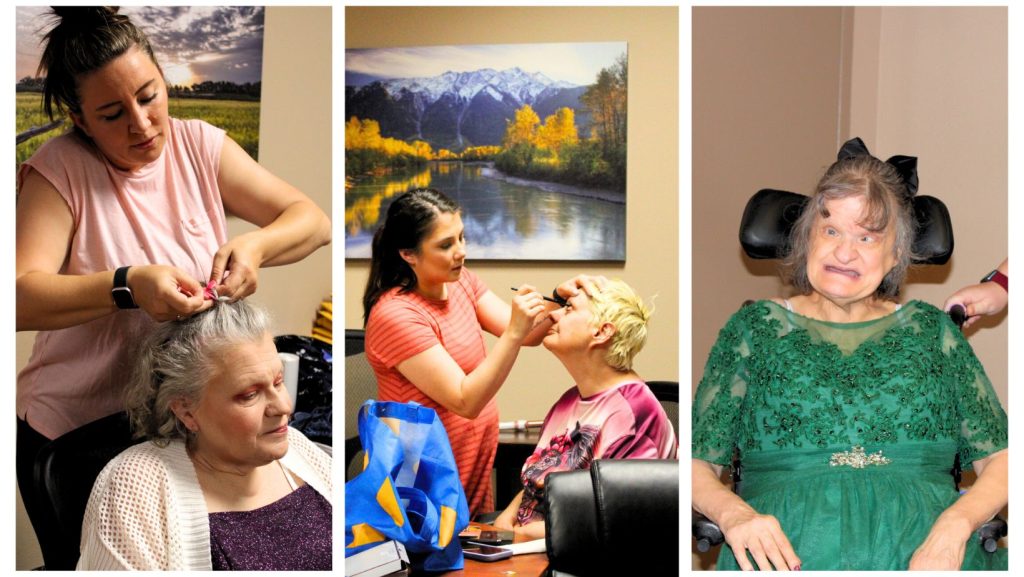
3. Motivation and Goal Setting
Affirmations support motivation by focusing attention on progress and possibility rather than limitations.
- Encourages persistence in therapy, learning, or work.
- Reinforces a growth mindset.
Example: “Each day, I get closer to achieving my goals.”
4. Improved Mental Health
Repeating positive affirmations can help rewire negative thought patterns, promoting better overall mental health.
- Reduces depressive thinking and negative self-talk.
- Supports resilience in the face of adversity.
Example: “I am more than my diagnosis. I am full of potential.”
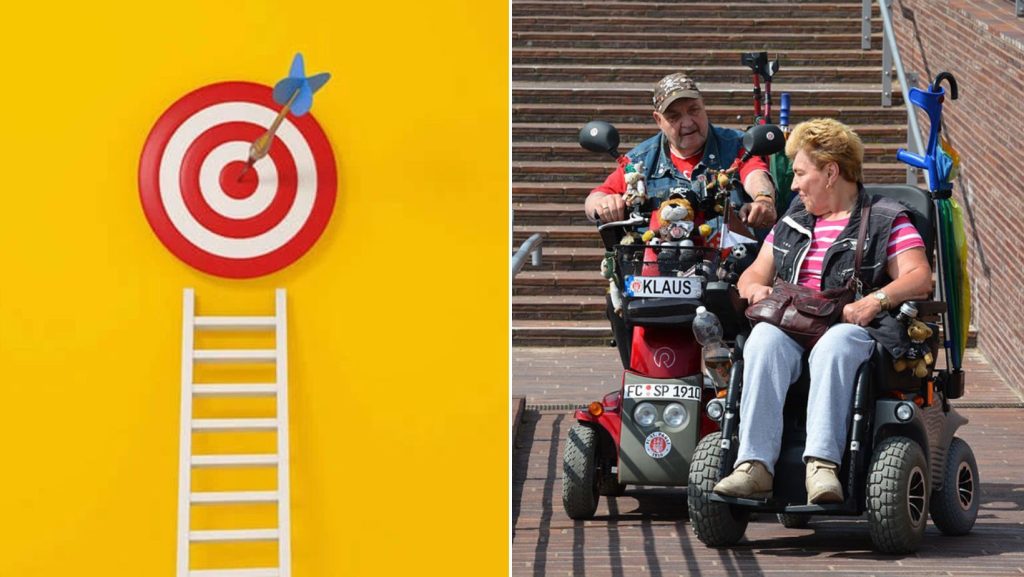
5. Strengthened Identity and Empowerment
Affirmations affirm a person’s identity beyond their disability, emphasizing autonomy and individual worth.
- Encourages independence and decision-making.
- Builds a narrative of empowerment.
Example: “I have the power to shape my life and make meaningful choices.”
6. Better Social Engagement
Increased self-confidence can improve social interaction and communication.
- Builds the courage to advocate for oneself.
- Helps form and maintain relationships.
Example: “My voice matters, and I deserve to be heard.”
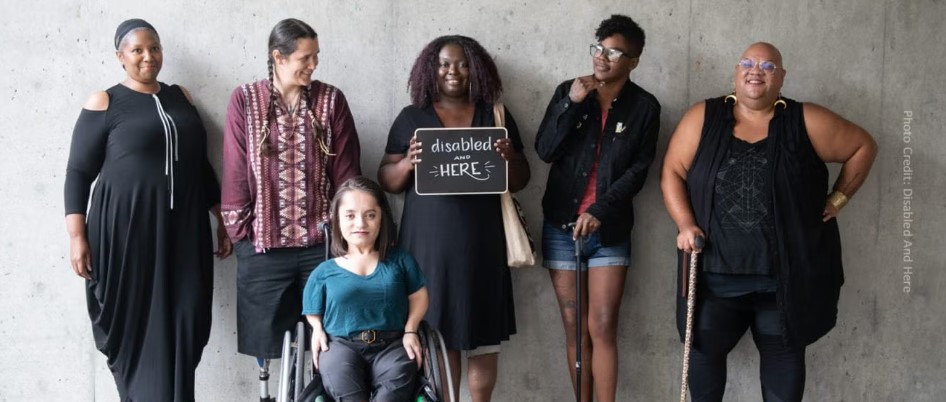
Tips for Using Affirmations Effectively:
Personalize them: Tailor affirmations to resonate with specific goals or struggles.
- Use daily: Repetition over time helps reinforce belief.
- Pair with mindfulness or journaling: Enhances impact.
- Incorporate into routines: Use during morning routines, therapy sessions, or before challenges.
General Affirmations (For All Disabilities)
- I am more than my challenges.
- I deserve respect, love, and kindness.
- My life has purpose and value.
- I am proud of how far I’ve come.
- I have the strength to face today.
- I am not alone — I am part of a community.
- My worth is not defined by my limitations.
Cognitive or Intellectual Disabilities
- I am capable of learning and growing.
- My pace is my own — and that’s okay.
- I bring joy and value to those around me.
- I celebrate every step forward.
- I have unique gifts the world needs.
Physical Disabilities
- My body tells a story of strength and resilience.
- I honor what my body can do each day.
- I move through life with courage and grace.
- I adapt, and I thrive.
- My presence matters, wherever I go.
Invisible Disabilities (e.g., chronic pain, mental health conditions, neurodiversity)
- I don’t need to “look” disabled to be valid.
- My pain and struggle are real — and so is my strength.
- I can ask for help without guilt.
- I trust myself to navigate hard days.
- My needs are worthy of respect.
Social & Communication Support
- I express myself in my own way, and that’s enough.
- My voice matters — spoken, signed, typed, or felt.
- I have the right to be heard and understood.
- I am building confidence with every conversation.
- I belong in all spaces, just as I am.
Mindfulness and Emotional Resilience
- I can pause and take a deep breath.
- I release what I cannot control.
- Each moment is a new beginning.
- I deserve peace and clarity.
- I am kind to myself, especially when it’s hard.” [3]
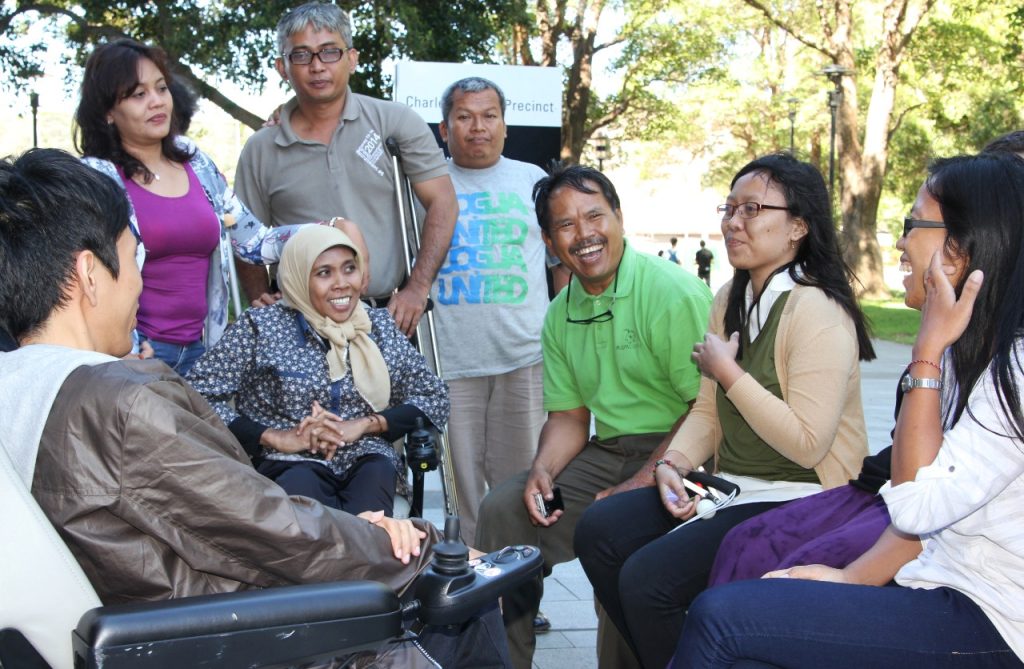
“Embracing a culture of positive affirmations can benefit everyone by fostering mindfulness, nurturing a positive family identity, promoting resilience, enhancing relationships, boosting self-esteem, and illustrating positive communication methods through practical examples. Try positive affirmations before bedtime, during dinnertime, at the start of your day, or whenever you have time.” [4]
Resources
[1] https://enhancedlifestyles.com.au/2024/01/24/positive-affirmations-people-living-with-disability/
[2] https://www.odu.edu/equity/civility-month/affirmations
[3] https://chatgpt.com/c/6830b101-2234-8004-9b83-f1a4530233a1