
What are Adaptive Skills?
“Adaptive skills are the abilities that enable you to respond effectively to change and thrive in evolving work environments.
Think of them as your professional flexibility toolkit – they’re what help you navigate uncertainty and adjust to new situations without missing a beat.
Unlike technical skills that are specific to your job (like coding or financial analysis), adaptive skills are transferable across roles, industries, and even life situations.
They’re becoming increasingly valuable as workplaces continue to transform at unprecedented rates. In today’s dynamic business landscape, leadership requires a delicate balance between technical expertise and adaptive skills.” [1]
What Domains Do Adaptive Behaviors Typically Involve?
“The primary domains tested in adaptive skills evaluations include:
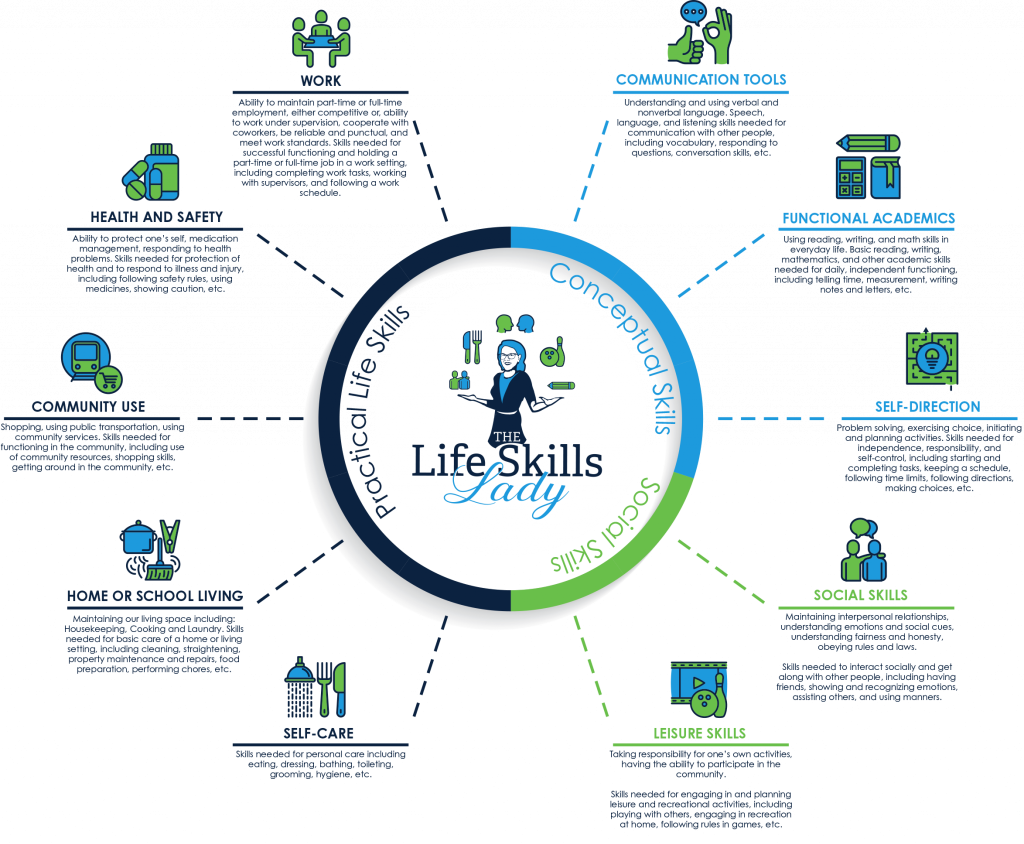
- conceptual skills (problem-solving, communication, academics, money, time, self-direction, etc.);
- social skills (interpersonal skills, gullibility, naiveté, social problem-solving, etc.); and
- practical skills (self-care, domestic skills, work skills, safety, health care, etc.).
An accurate and comprehensive assessment often leads to better outcomes throughout an individual’s life.” [2]

Key Characteristics of Adaptive Skills
“Adaptive skills share several important characteristics that distinguish them from other professional capabilities:
- Highly transferable – They follow you from job to job and across industries
- People-centered – They focus on human interactions and responses to change
- Development-oriented – They improve with practice and self-awareness
- Complementary to technical skills – They enhance the application of your specialized knowledge
What makes these skills particularly valuable is that they’re difficult to automate. While AI can replicate many technical skills, adaptive capabilities remain uniquely human.” [1]
Assessment tools for adaptive skills
“Numerous assessment tools are utilized to measure these adaptive skills, which include:
- Scales of Independent Behavior (SIB-R): Covers individuals aged three months to 80 years, focusing on both adaptive and maladaptive behaviors.
- Vineland Adaptive Behavior Scales: Requires trained professionals for administration, providing insights into various dimensions of adaptability across age groups.
- AAMR Adaptive Behavior Scale: Evaluates how individuals interact with their environments and identifies specific areas needing support.
These evaluations help educators and caregivers tailor support for each learner, especially those facing developmental challenges.” [3]
Importance of adaptive skills for managing daily activities
“Developing adaptive skills greatly enhances independence and improves the quality of life for learners with disabilities. By mastering daily activities like self-care and effective communication, individuals gain the confidence necessary for social interactions and responsibilities.
Furthermore, as children acquire these skills, they are better equipped to transition into adulthood, manage household tasks, and participate meaningfully in community life, which overall promotes social inclusion and reduces dependency on caregivers.” [3]
Benefits of Developing Adaptive Skills
Developing adaptive skills—also known as adaptability or flexibility skills—offers a wide range of benefits across personal, professional, and academic settings. Here’s a breakdown of the key advantages:
1. Enhanced Problem-Solving Abilities
- Adaptive individuals can approach challenges from multiple angles.
- They’re more likely to stay calm under pressure and find creative solutions.
2. Better Handling of Change
- Whether it’s a shift in job roles, technology, or life circumstances, people with strong adaptive skills adjust more quickly and smoothly.
- This helps reduce stress and uncertainty during transitions.
3. Increased Employability
- Employers value candidates who can learn new skills quickly and stay productive in evolving environments.
- Adaptability is often listed as a top soft skill in job postings.
4. Stronger Interpersonal Relationships
- Being adaptable allows for better collaboration with diverse teams and personalities.
- It also builds empathy and improves conflict resolution.
5. Higher Resilience
- Adaptive individuals bounce back from setbacks more effectively.
- They see failure as a learning opportunity rather than a dead end.
6. Continuous Growth and Learning
- Adaptability fosters a growth mindset, encouraging lifelong learning and self-improvement.
- It helps people stay curious and open to feedback.
7. Leadership and Innovation
- Adaptive leaders inspire innovation, drive change, and navigate uncertainty confidently.
- They’re more likely to spot new opportunities and encourage agile thinking in their teams.
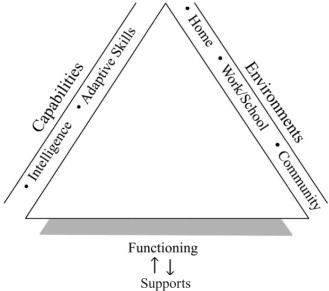
“Individuals with well-developed adaptive skills are often presented with more opportunities for success, both personally and professionally. These skills can open doors to new experiences, foster positive connections, and enhance employability. As adaptive skills improve, individuals can pursue their aspirations and achieve their desired outcomes.Through the enhancement of adaptive skills, individuals can enjoy greater independence, experience an improved quality of life, and access more opportunities for success. These benefits collectively contribute toward a brighter and more fulfilling future.” [5]
Resources
[1] https://www.verifyed.io/blog/adaptive-skills
[2] https://www.wpspublish.com/blog/enhance-your-adaptive-behavior-evaluations
[4] https://chatgpt.com/c/680a5dcb-12ec-8004-8189-59cffab0d008