
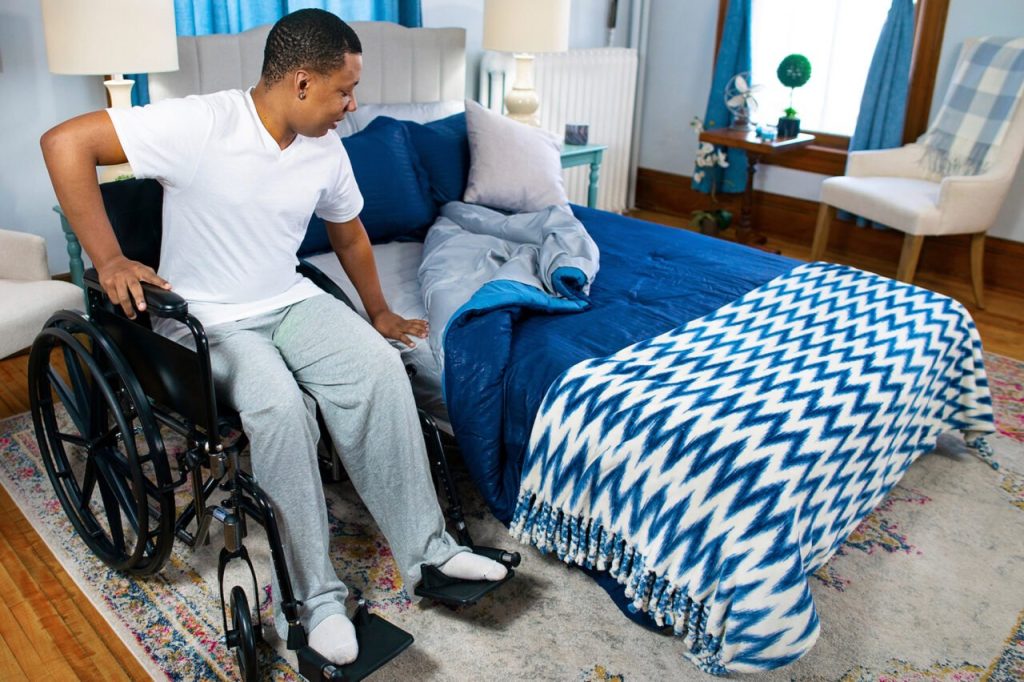
“Many people with physical disabilities suffer from sleep disturbances, and sleep tends to become more disrupted as we get older. Not sleeping well can negatively impact your sense of well-being and make other conditions worse including:
- Depression and anxiety
- Pain
- Fatigue
- Irritability
Sleep difficulties can also lead to poor work performance and traffic or workplace accidents.” [1]
Sleep and Adult with Disabilities
“Research shows: 40% of disabled individuals experience long-term sleep problems, according to the RRTC. Insomnia, excessive daytime drowsiness, and narcolepsy are common (falling asleep suddenly during the day). Adults with impairments don’t sleep enough, according to research.
2014 BRFSS (Behavioral Risk Factor Surveillance System) data evaluated the sleep habits of Oregon individuals with and without impairments. According to the Oregon Office on Disability and Health, 44.8% of Oregon individuals with disabilities sleep fewer than 6 hours each night, compared to 27.1% of Oregonians without a handicap.
Only 47.8% of Oregonians with disabilities slept the recommended 7 to 9 hours each night, compared to 70.7% without a handicap. The report found that disabled people may not receive adequate sleep.
The same is true for adults with intellectual disabilities, too. Many individuals with Down syndrome suffer from sleep apnea or sleep difficulties, according to a 2021 study published in the Journal of Clinical Medicine.
REM sleep is especially something individuals with Down syndrome can struggle to get enough of, so caregivers will want to do what they can to help someone with Down syndrome sleep better. [2]
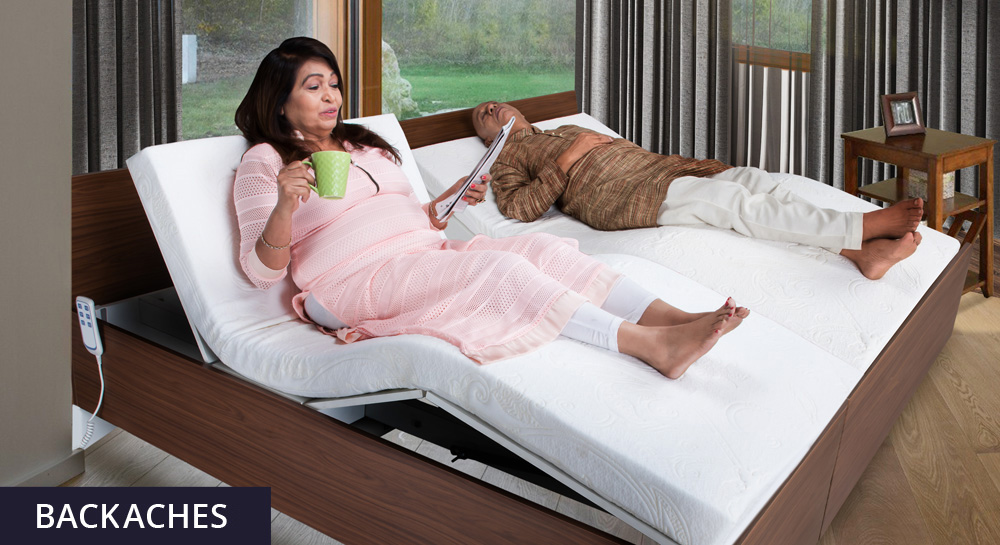
Sleep solutions for disabled people
“Getting quality sleep can be more challenging for people with disabilities due to physical, sensory, neurological, or mental health-related barriers. However, there are effective strategies and tools that can help improve sleep for individuals with different types of disabilities. Here’s a practical guide to sleep solutions for disabled people, tailored across common challenges:
1. Create a Comfortable Sleep Environment
Pressure-relieving mattresses and cushions for people with mobility limitations (e.g., memory foam, air mattresses). Positioning aids like body pillows or wedge cushions to support posture and prevent bedsores. Adjustable beds for people with spinal cord injuries, cerebral palsy, or chronic pain. White noise machines or blackout curtains for individuals with sensory sensitivities (e.g., autism, PTSD).
2. Manage Pain and Discomfort
Heat therapy or cooling pads to ease muscle tension. Gentle stretches or physical therapy before bedtime. Medication timing: Coordinate with a healthcare provider to adjust medications that impact sleep.

3. Support for Neurodivergent Conditions
- Weighted blankets for those with autism, ADHD, or anxiety (promotes calm and deeper sleep).
- Consistent routines with visual or audio schedules can reduce bedtime stress.
- Low-stimulation wind-down time (dim lights, no screens) for at least 30–60 minutes before bed.
4. Accessibility and Safety Modifications
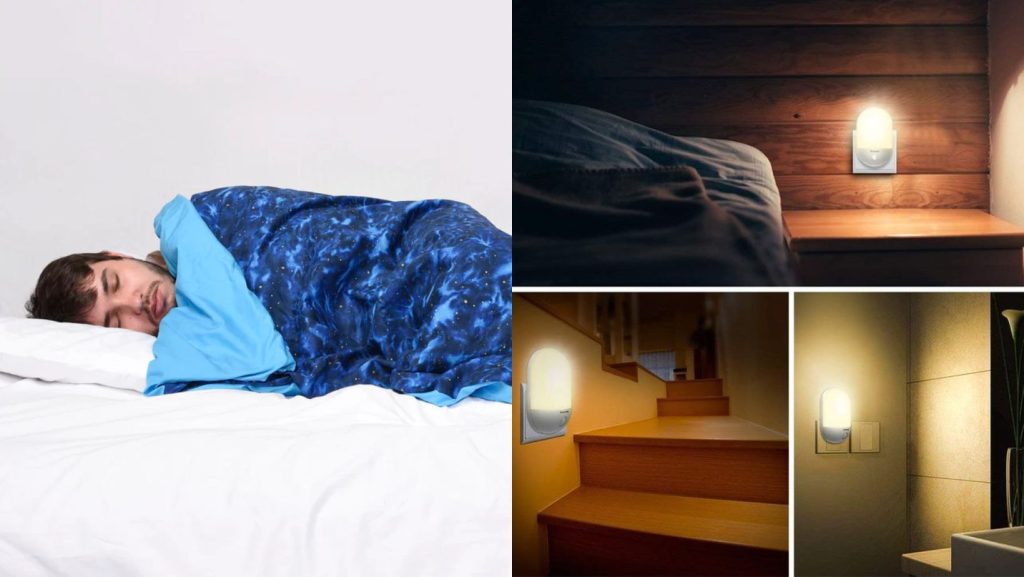
- Nightlights and clear floor space to prevent falls for those with visual or mobility impairments.
- Voice-activated devices (e.g., Alexa, Google Home) for adjusting lights or alarms without needing to move.
- Accessible call buttons or alert systems for caregivers if needed overnight.
5. Address Mental Health Needs
- Mindfulness or guided meditation apps (e.g., Calm, Headspace) for reducing stress and anxiety.
- Cognitive Behavioral Therapy for Insomnia (CBT-I) adapted for disabilities.
- Counseling or peer support for those dealing with depression, PTSD, or grief.
6. Medical and Professional Support
- Sleep studies to identify sleep apnea, restless legs syndrome, or other sleep disorders.
- Melatonin or doctor-prescribed sleep aids, if appropriate and monitored.
- Work with a sleep specialist familiar with disability care.

7. Routine & Daily Habits
- Maintain a regular sleep and wake time, even on weekends.
- Get sunlight exposure during the day, if possible, to regulate circadian rhythms.
- Limit caffeine and screen use in the evening.
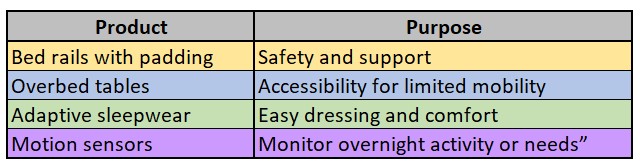
8. Helpful Products

Additional Information
Support Organizations:
- “Professional Guidance: Contact occupational therapists through local health services for personalized bedding assessments. Many suppliers offer home consultations to ensure proper product selection.
- Emergency Preparedness: Download the ADA Bedside Emergency Kit checklist to prepare essential items for bedside accessibility during emergencies. https://adata.org/sites/adata.org/files/files/Bedside%20Checklist.pdf”
“A good night’s rest is vital to the health of all people, especially those with disabilities. People with disabilities and other health conditions need more sleep than the average person. Besides, your physical health, mental health, ability to operate machinery, and problem solve are all enhanced when you are well-rested. Following the tips above will make a lot of difference to improve your sleep.” [4]
Resources
[1] https://agerrtc.washington.edu/sites/agerrtc/files/files/aging_sleep.pdf
[2] https://amerisleep.com/blog/sleep-and-disabilities/
[3] https://chatgpt.com/c/6841fdc9-67c8-8004-9805-9d9b8aff9523
[4] https://www.numotion.com/blog/march-2021/pro-tips-importance-of-sleep-to-people-with-disa