
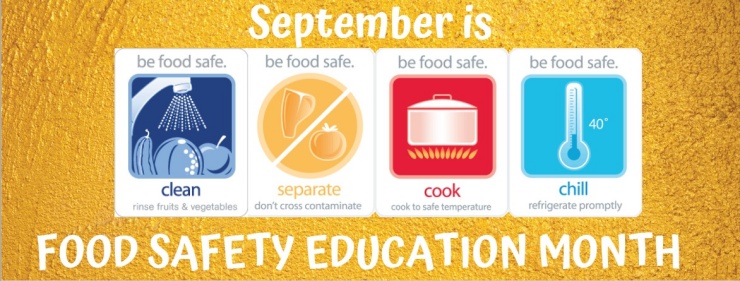
“National Food Safety Education Month is in September. It is a great awareness movement to educate oneself and others about food safety and about preventing food poisoning. Did you know that there are a lot more foodborne illnesses than you can think of? According to medical professionals, there are more than 250 foodborne diseases, all of which can be traced back to three categories of hazards: biological, chemical, and physical.
“This month take an active role in preventing foodborne illness, also known as “food poisoning.” The Federal government estimates that there are about 48 million cases of foodborne illness annually – that’s about 1 in 6 Americans each year. Each year, these illnesses result in an estimated 128,000 hospitalizations and 3,000 deaths. Following simple food safety tips can help lower your chance of getting sick.” [1]
What Is Foodborne Illness?
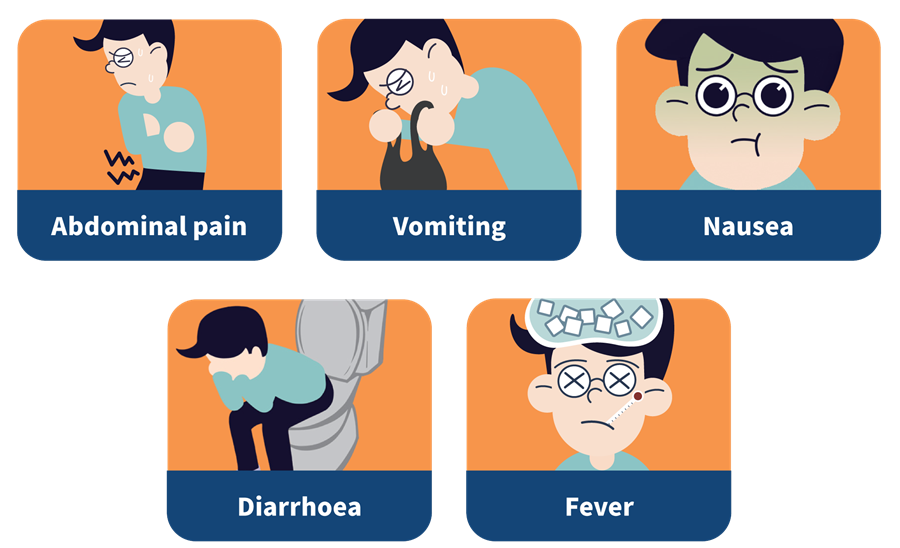
“It is an illness that comes from eating contaminated food. The onset of symptoms may occur within minutes to weeks and often presents itself as flu-like symptoms, as the ill person may experience symptoms such as nausea, vomiting, diarrhea, or fever. Because the symptoms are often flu-like, many people may not recognize that the illness is caused by harmful bacteria or other pathogens in food.
Everyone is at risk for getting a foodborne illness. However, some people are at greater risk for experiencing a more serious illness or even death should they get a foodborne illness. Those at greater risk are infants, young children, pregnant women and their unborn babies, older adults, and people with weakened immune systems (such as those with HIV/AIDS, cancer, diabetes, kidney disease, and transplant patients.) Some people may become ill after ingesting only a few harmful bacteria; others may remain symptom free after ingesting” [3]
Foods Associated with Foodborne Illness
- Raw foods of animal origin, that is, raw meat and poultry, raw eggs, unpasteurized milk, and raw shellfish are the most likely to be contaminated.
- Fruits and vegetables can also be contaminated with animal waste when manure is used to fertilize produce in the field, or unclean water is used for washing the produce.
- Raw sprouts are particularly concerning because the conditions under which they are sprouted are ideal for growing microbes.
- Unpasteurized fruit juices or cider can also be contaminated if there are pathogens on the fruit that is used to make it.
- Any food item that is touched by a person who is ill with vomiting or diarrhea, or who has recently had such an illness, can become contaminated. When these food items are not subsequently cooked (e.g., salads, cut fruit) they can pass the illness to other people.
How to prevent foodborne illness to all of us?
“Preventing foodborne illness involves several key practices across food handling, preparation, and storage.
Food safety is critical for everyone, but individuals with disabilities may face unique challenges that require tailored strategies. Here are practical and inclusive food safety tips for all of us specially people with disabilities:
1. Clean: Keep Everything Clean
- Wash hands with soap and water for at least 20 seconds before and after handling food. For people with disabilities use hand sanitizer if handwashing is difficult. Consider installing hands-free soap dispensers or motion-activated faucets. For people with limited hand mobility, wearing food-safe disposable gloves can help maintain hygiene while preparing food.
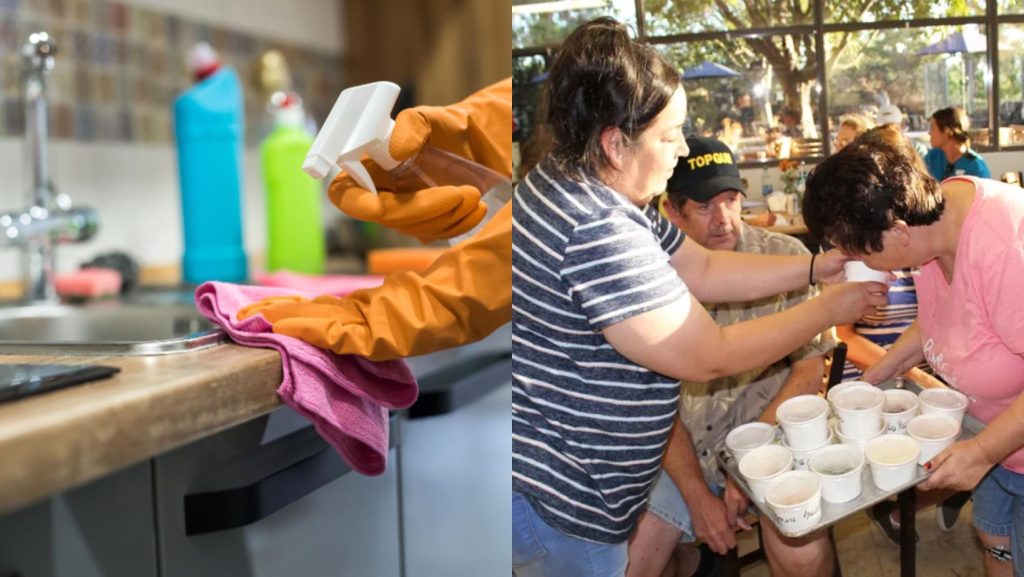
- Clean surfaces, cutting boards, utensils, and countertops with hot, soapy water.
- Accessible Cleaning Supplies: Use easy-grip handles, spray bottles, and disinfecting wipes.
- Rinse fruits and vegetables under running water (even if you plan to peel them).
2. Safe Food Handling for people with disabilities
- Use Assistive Devices: Adaptive kitchen tools (e.g., grip-friendly knives, cutting boards with spikes, jar openers) can reduce injury risk and improve control.
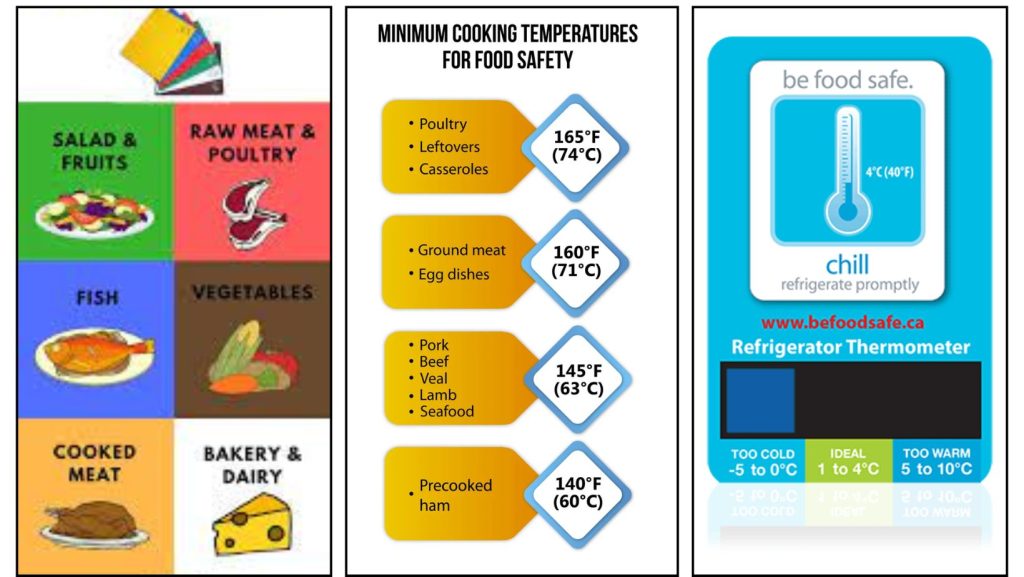
- Visual Aids: Use color-coded cutting boards and utensils to prevent cross-contamination (e.g., red for raw meat, green for vegetables).
3. Separate: Avoid Cross-Contamination
- Use separate cutting boards for raw meat/poultry/seafood and fruits/vegetables.
- Keep raw meat away from other foods in your grocery cart, refrigerator, and during meal prep.
- Store raw meat in sealed containers on the bottom shelf of the fridge.
4. Cook: Cook to Safe Temperatures
Use a food thermometer to ensure food reaches a safe internal temperature:
- Poultry: 165°F (74°C)
- Ground meats: 160°F (71°C)
- Beef, pork, lamb: 145°F (63°C) with a 3-minute rest time
- Fish: 145°F (63°C)
- Reheat leftovers to 165°F (74°C).
5. Chill: Refrigerate Promptly
- Refrigerate or freeze perishables within 2 hours (1 hour if above 90°F/32°C).
- Keep your fridge at or below 40°F (4°C) and freezer at or below 0°F (-18°C).
- Don’t thaw food on the counter – use the fridge, cold water, or microwave.
6. Check: Watch for Spoilage
- Check expiration dates and “use-by” dates.
- Throw out food that looks or smells suspicious.
- Don’t taste food to see if it’s still good — when in doubt, throw it out.’
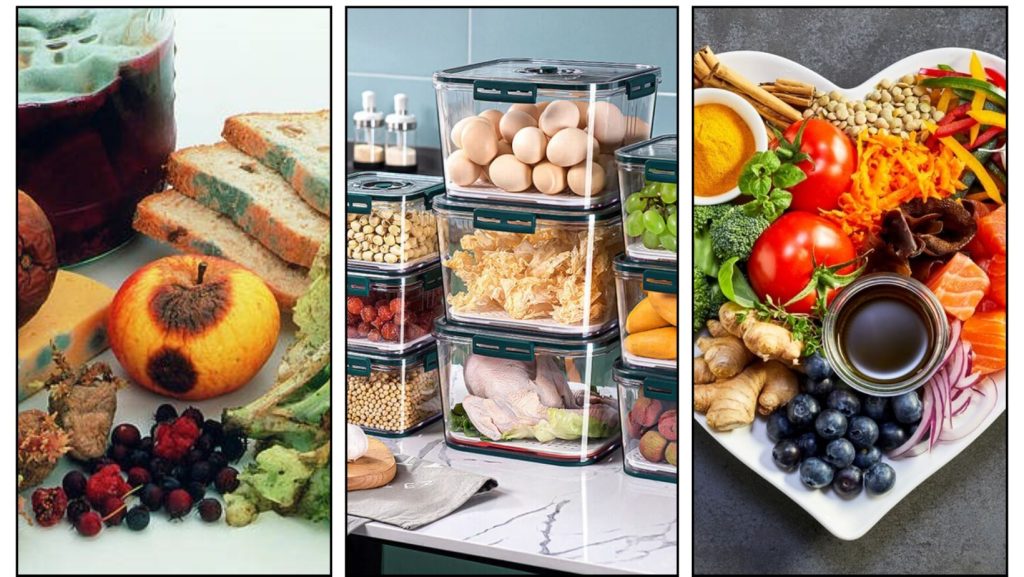
7. Storage Safety
- Labeling: Use large-print or braille labels with expiration dates. Color-coded storage bins can help identify food types.
- Easy Access: Keep perishable items at reachable heights in the refrigerator to reduce strain and maintain cold chain.
8. Safe Food Choices
- Low-Risk Foods: If refrigeration is unreliable or cooking is difficult, choose shelf-stable, low-risk foods (e.g., canned beans, pasteurized dairy, sealed snacks).
- Avoid High-Risk Items: Be cautious with raw eggs, unpasteurized dairy, and undercooked meats.
9. Emergency Preparedness
- Plan Ahead: Keep a list of safe-to-eat, ready-to-eat items in case of power outages or caregiver absence.
- Allergy Management: If applicable, ensure food labels are readable and allergy-safe zones are respected.
10. Support and Advocacy
- DSP Training: Ensure that DSPs or assistants understand and follow food safety practices.
- Adaptive Tech: Use apps or smart kitchen devices with voice control or large interfaces to help monitor timers, temperatures, and reminders.

“National Food Safety Education Month is much-needed to emphasize the need for consumers’ knowledge of food safety practices. This helps us make informed and wise food choices.” [1]
Remember, we should be practicing safe food handling all year round, but this month let’s revitalize our focus and raise awareness of the importance of food safety!
Resources
[1] https://nationaltoday.com/national-food-safety-education-month/
[2] https://www.fda.gov/food/consumers/food-safety-education-month
[3] https://www.fsis.usda.gov/food-safety/foodborne-illness-and-disease
[4] https://chatgpt.com/c/68360ba8-4414-8004-8cdf-33456e9965a8
[5] https://chatgpt.com/c/68360d02-f47c-8004-bd50-3cc5395d5aa5