

“Motherhood is a beautiful journey, filled with endless challenges but even more rewards. For us mums with disabilities, this journey is full of extra layers of complexity.” [1]
Parenting with a disability comes with unique challenges, but it also brings deep strength, resilience, and creativity. Here are some thoughtful and practical tips specifically for mothers with disabilities:
1. Embrace Adaptive Parenting Techniques
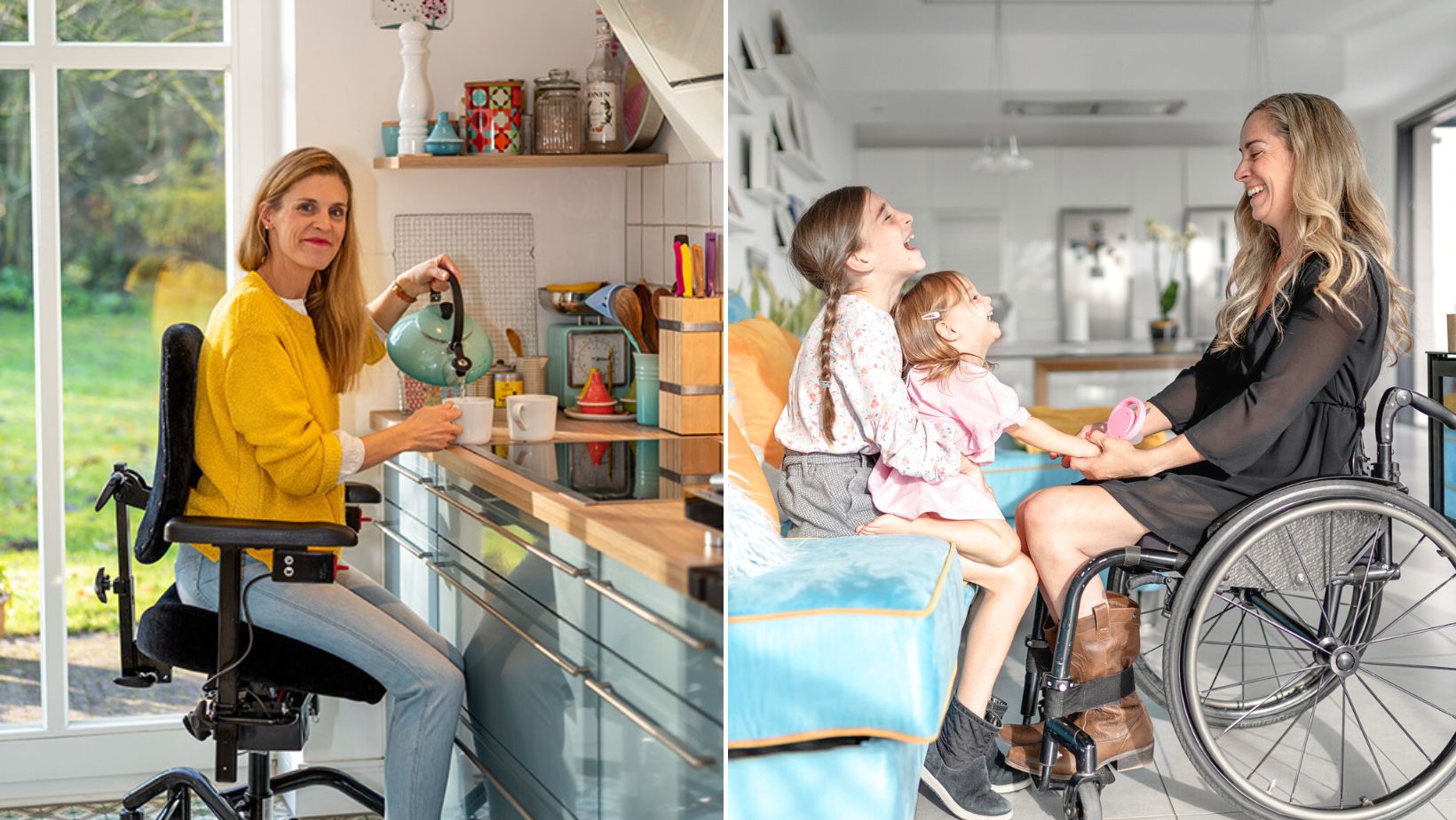
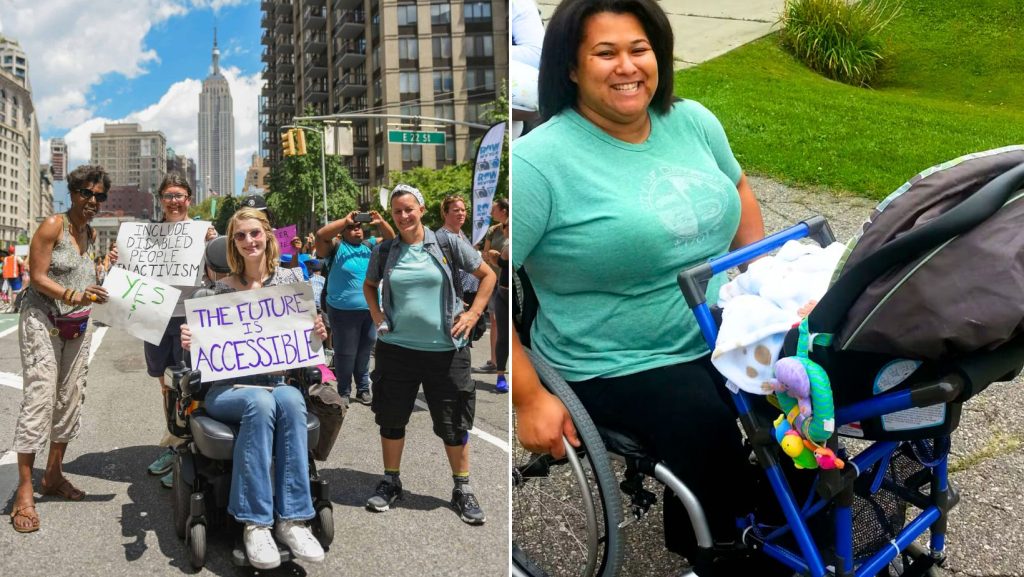
Use assistive technology: Tools like voice-activated devices, reachers/grabbers, or adaptive baby gear (e.g., cribs that open from the side, strollers that attach to wheelchairs) can make daily tasks easier.
- Customize your home setup: Keep essentials like diapers, bottles, and clothes within reach. Use baskets or carts on wheels to move supplies between rooms.
- Find creative alternatives: For example, if lifting is difficult, consider baby-wearing with wraps or slings that distribute weight evenly or using a floor mat for diaper changes instead of a high table.
2. Prioritize Communication with Your Child
Age-appropriate honesty: Children adapt well when things are explained with clarity and love. Let them understand your disability in simple, comforting terms.
- Encourage empathy early: Teaching children to appreciate differences helps them become compassionate and resilient.
- Use routines: Clear, predictable routines help children feel secure and make caregiving easier for you.
3. Build a Reliable Support Network
- Seek out peer support: Connect with other parents with disabilities through social media groups, forums, or local support networks.
- Delegate without guilt: Lean on family, friends, or community services when needed. Remember, asking for help is a strength, not a weakness.
- Professional support: Social workers, occupational therapists, and counselors can help with physical, emotional, and logistical support tailored to your needs.
4. Focus on Emotional Well-being
Practice self-compassion: Parenting is hard for everyone. Allow yourself grace on tough days.
- Schedule regular breaks: Time to recharge, even in short intervals, is essential. Use audio books, music, or quiet moments to reset.
- Celebrate small wins: Every diaper change, bedtime story, or shared smile is a victory.
5. Advocate for Your Rights and Needs
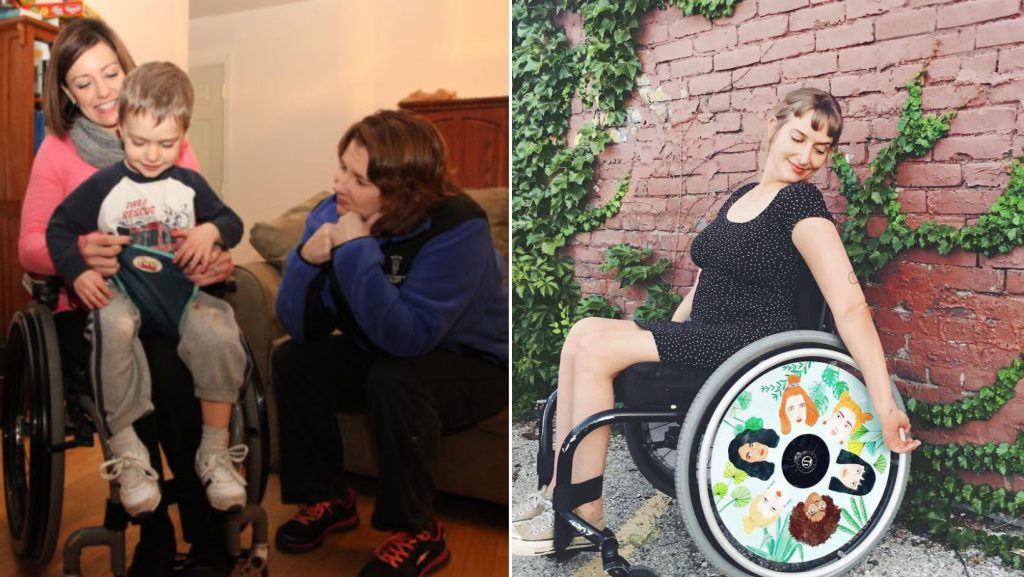
- Know your rights: Access child care assistance, medical services, and disability benefits that support your parenting.
- Educate healthcare providers: If needed, help them understand how best to support you as both a parent and a person with a disability.
- Challenge assumptions: Advocate in schools, clinics, and public spaces to ensure accessibility and inclusive attitudes.
6. Choose Tools that Work for You
For visual impairments: Use tactile labels, audio cues, and color-coded systems. Baby monitors with vibration alerts can be helpful.
- For mobility limitations: Consider cribs and playpens that open from the side, floor-level care stations, and adaptive baby carriers or wheelchairs.
- For hearing impairments: Use vibrating alarms, flashing light doorbells, and video baby monitors.
7. Involve Your Child
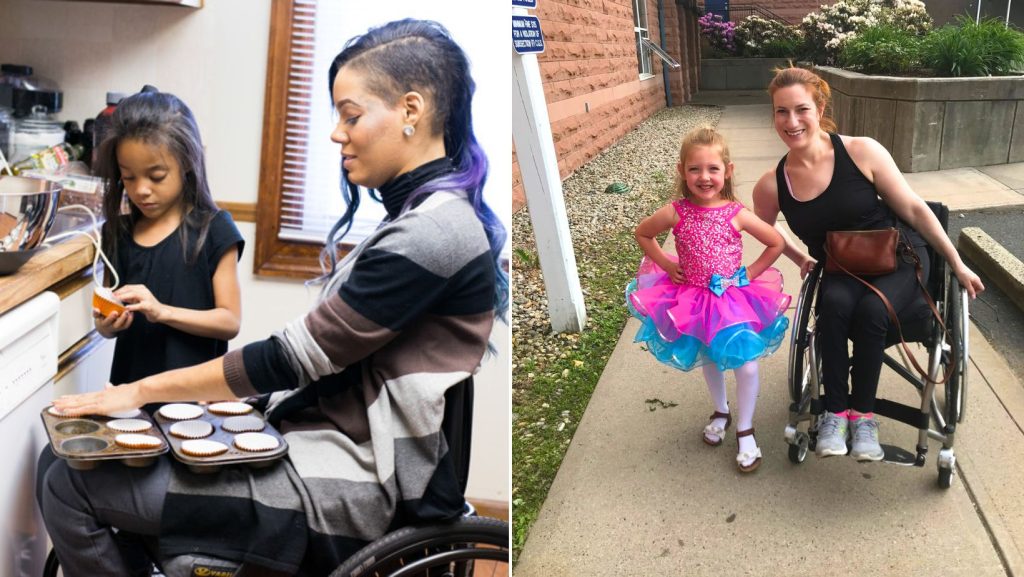
- Foster independence: As they grow, let children help with small tasks. This builds responsibility and a sense of teamwork.
- Create inclusive play: Choose games and activities you can enjoy together, tailored to your ability and your child’s age.
8. Highlight Your Strengths Your unique perspective teaches children adaptability, resilience, empathy, and creativity. These are lifelong gifts.
Resources
[1] https://www.coolcrutches.com/blogs/news/mothers-day-navigating-motherhood-with-a-disability
[4] https://www.mmhla.org/articles/disability-and-maternal-mental-health-fact-sheet-4tcpt
[5] https://chatgpt.com/c/6802a9e1-9890-8004-a14d-88ff17815c64