
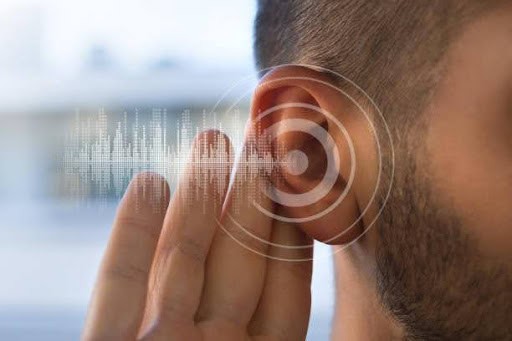
“Misconceptions about people with hearing loss are commonplace – some are antiquated stereotypes, while others just incorrect assumptions. It’s easy enough to get the wrong idea, as hearing loss can be an invisible disability – unlike the wheelchair that signals a mobility challenge. Whether it’s a total stranger trying to make small talk in sign language or an over-articulating coworker or relative, it’s time we initiated the conversation that will correct misconceptions and remove the stigma associated with deafness and hearing loss. This list of the more common misconceptions – and there are many more. “[1]
Here are some common myths and facts about people with hearing loss that help break down stereotypes and promote better understanding:
“MYTH #1: People with hearing loss can’t hear anything at all.
FACT: Most people with hearing loss can still hear some sounds. Hearing loss varies in degree and type—it’s not always complete deafness.
MYTH #2: Speaking louder will help someone with hearing loss understand better.
FACT: Louder speech can distort sound. Clear, slow, and face-to-face communication is more effective than shouting.
MYTH #3: Hearing loss only affects older adults.
FACT: Hearing loss can affect people of all ages—even newborns and young adults—due to genetics, illness, noise exposure, or trauma.
MYTH #4: Hearing aids restore hearing completely, like glasses do for vision.
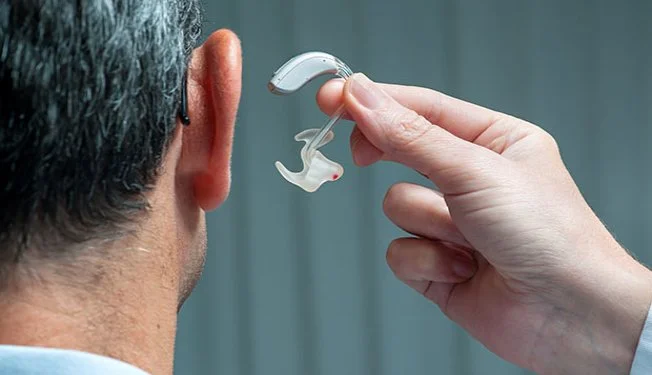
FACT: Hearing aids amplify sound but don’t cure hearing loss. They help improve clarity and communication but may not fully restore normal hearing.

MYTH #5: People with hearing loss use sign language exclusively.
FACT: While some do use sign language, many rely on a combination of lip-reading, written communication, hearing aids, or cochlear implants. It depends on personal preference and the severity of hearing loss.
MYTH #6: People with hearing loss are less intelligent or capable.
FACT: Hearing ability has no connection to intelligence or ability. People with hearing loss are fully capable of achieving success in any field.
MYTH #7: People with hearing loss don’t enjoy music or movies.
FACT: Many people with hearing loss enjoy music, movies, and theater—especially when accommodations like captions or hearing loops are available.
MYTH #8: You can always tell when someone has hearing loss.
FACT: Hearing loss is often invisible. Many people may not disclose it, and it’s easy to miss unless you pay attention to communication cues.” [2]
Myths and misunderstandings about hearing loss can lead to stigma and isolation. By learning the facts, we can create more inclusive and respectful environments—whether at home, work, or in the community. People with hearing loss are diverse, capable, and resilient. With the right support, tools, and awareness, they can fully participate and thrive in all areas of life.
Let’s replace assumptions with empathy, and support communication for everyone.
Resources
[1] https://hearinghealthfoundation.org/blogs/17-misconceptions-people-with-hearing-loss
[2] https://chatgpt.com/c/684202d8-e468-8004-9f4b-1562aa872fb5