
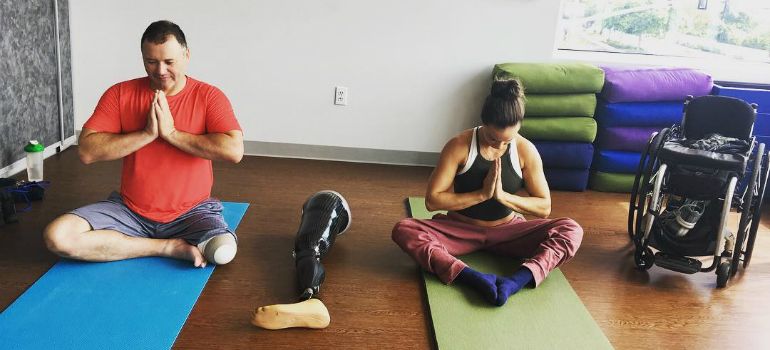
“Many people disabilities struggle with pain, fatigue, stress, anxiety, and depression, along with other symptoms. Meditation can provide people with disabilities with a sense of control and escapism that is helpful for the development of healthy and effective coping strategies.
The effectiveness of meditation varies from person to person, and no two participants are the same. However, some people with disabilities have found that engaging in meditative practices has helped them reduce physical symptoms, as well as improving mental wellness.” [1]
“Meditation has been around for thousands of years. Early meditation was meant to help deepen understanding of the sacred and mystical forces of life. These days, meditation is most often used to relax and lower stress.
Meditation is a type of mind-body complementary medicine. Meditation can help you relax deeply and calm your mind.
During meditation, you focus on one thing. You get rid of the stream of thoughts that may be crowding your mind and causing stress. This process can lead to better physical and emotional well-being.” [2]
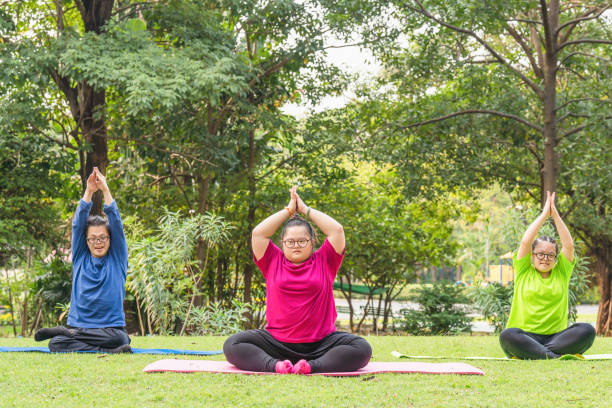
Benefits of meditation for disabled adults
Meditation can offer a wide range of physical, emotional, and mental benefits for disabled adults, regardless of the type of disability. Here are some key benefits:
Mental and Emotional Benefits
1) Reduces Stress and Anxiety: Meditation helps calm the nervous system, lowering stress hormones and promoting emotional balance.
2) Improves Mood and Self-Esteem: It can foster a positive mindset, reduce symptoms of depression, and increase feelings of self-worth and acceptance.
3) Enhances Focus and Clarity: Many people with cognitive or neurological challenges benefit from improved attention span and concentration.
4) Promotes Emotional Regulation: Meditation helps people better manage difficult emotions, frustrations, and mood swings.
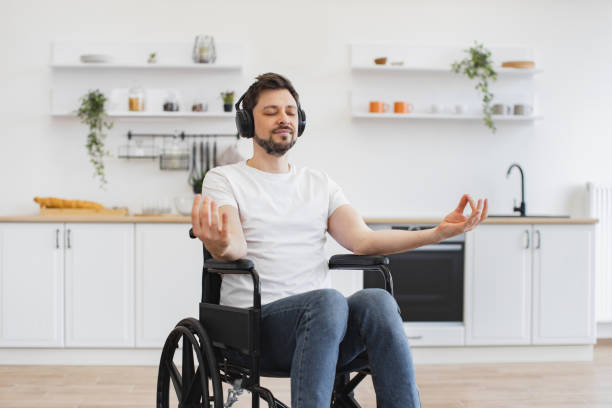
Physical and Health Benefits
5) Decreases Pain Perception: Mindfulness and breathing techniques can reduce the experience of chronic pain or discomfort.
6) Lowers Blood Pressure and Heart Rate: Regular meditation contributes to cardiovascular health and can help manage related conditions.
7) Improves Sleep Quality: Relaxation practices before bed can ease insomnia and support deeper, more restful sleep.
8) Supports Rehabilitation and Recovery: Meditation can complement physical therapy by enhancing body awareness and reducing tension.
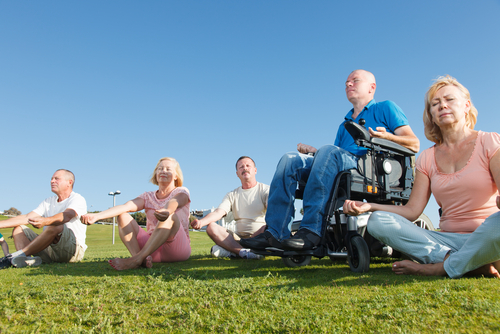
Accessibility and Empowerment
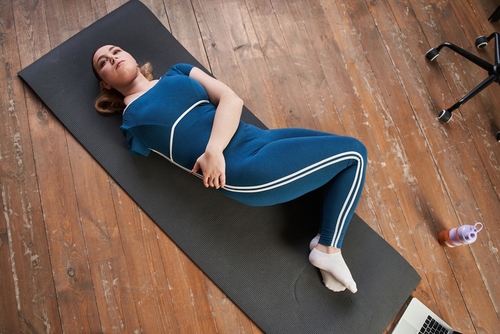
9) Adaptable to All Abilities: Meditation can be practiced in various positions—seated, lying down, with audio guidance, or even using visual or tactile aids.
10) Fosters a Sense of Control: For many disabled adults, meditation provides a tool they can control themselves, empowering them to manage their mental and physical states.
11)Builds Resilience and Coping Skills: It nurtures inner strength to deal with the challenges of living with a disability.
Optional Group Benefits
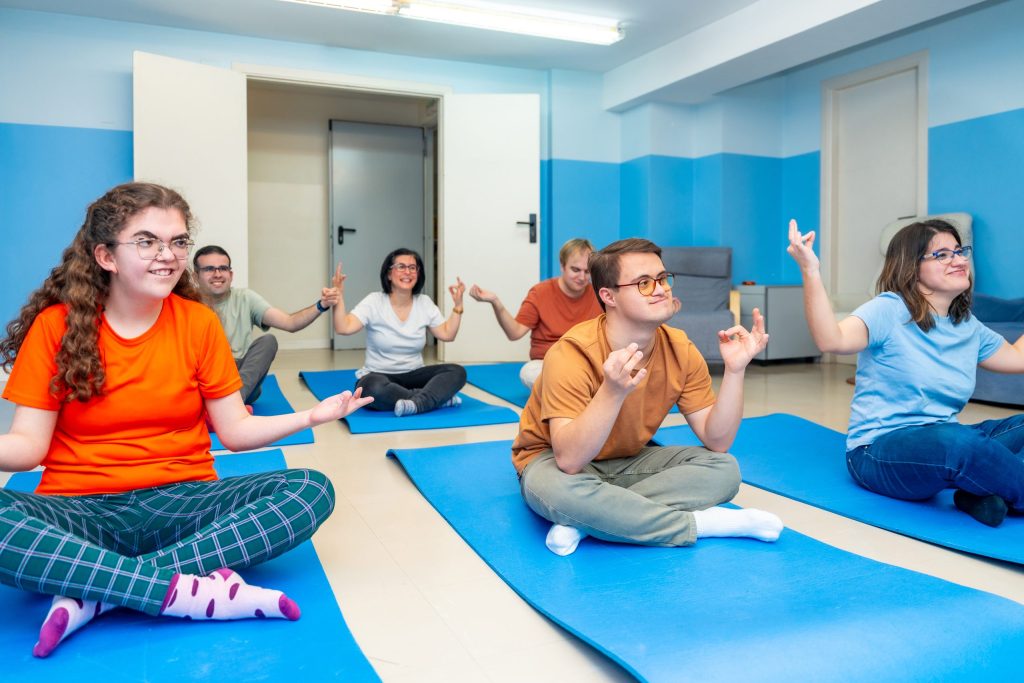
12) Improves Social Connection: Group meditation (in-person or online) can reduce isolation and create a sense of community and belonging.
13) Enhances Mind-Body Connection: Meditation increases awareness of bodily sensations, helping individuals feel more grounded and in tune with themselves.
Resources
[1] https://www.sunrisemedical.com.au/blog/benefits-of-meditation-for-people-with-disabilities
[2] https://www.mayoclinic.org/tests-procedures/meditation/in-depth/meditation/art-20045858
[3] https://chatgpt.com/c/6893df85-2bd8-8326-96c5-16bbeeba3ea9