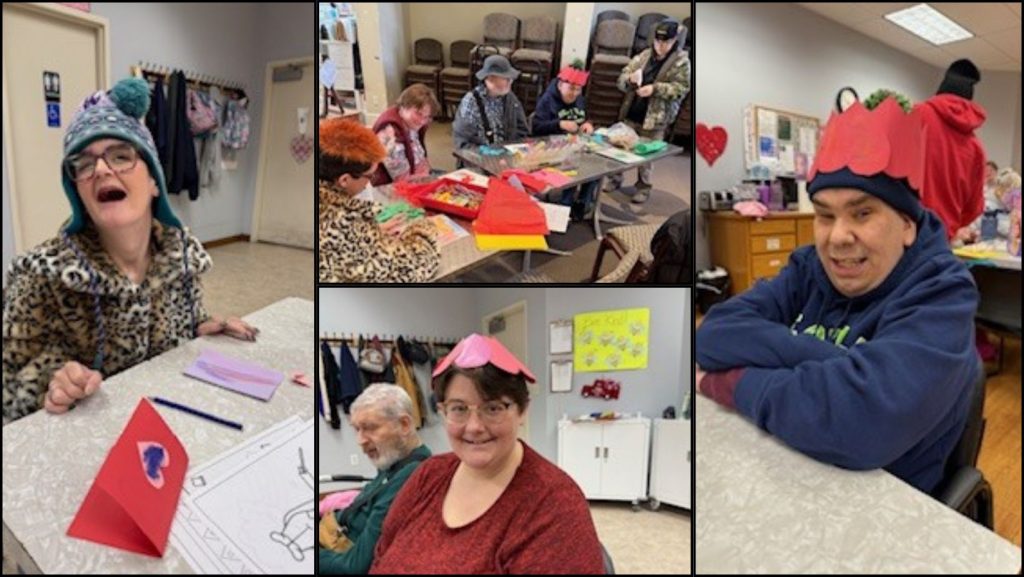

Valentine’s Day is about connection, appreciation, and feeling valued—and those experiences should be accessible to everyone. Adults with disabilities may experience love and relationships in many different ways, but the heart of the holiday remains the same: meaningful moments, shared joy, and self-expression. With a little creativity and flexibility, Valentine’s Day can be celebrated in ways that honor all abilities, preferences, and comfort levels.
Accessible celebrations focus on what feels good for the individual. That might mean a quiet, sensory-friendly activity instead of a crowded event, or expressing affection through art, music, or shared routines rather than traditional gifts. The goal is not perfection, but inclusion—making sure everyone has the opportunity to feel seen, respected, and loved in ways that work for them.
Valentine’s Day can also be a celebration of self-love, friendships, and community. Whether it’s a shared laugh, a favorite snack, or a simple “you matter,” small gestures can have a big impact.
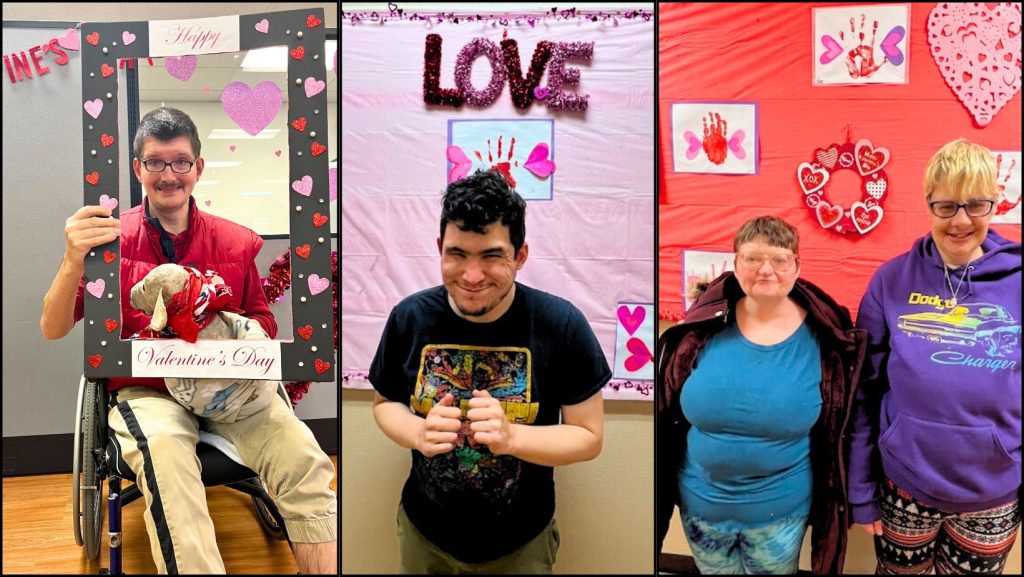
Accessible Valentine’s Day Tips
1) Celebrate in many forms: Valentine’s Day doesn’t have to be romantic—friendship, self-love, and caregiver appreciation all count.
2) Use creative expression: Painting, crafting cards, music, or storytelling can be meaningful ways to express feelings.
3) Create a comfortable environment: Offer sensory-friendly options like soft lighting, calming music, or quiet spaces.
4) Share favorite treats: Choose accessible foods and drinks based on individual needs and preferences.
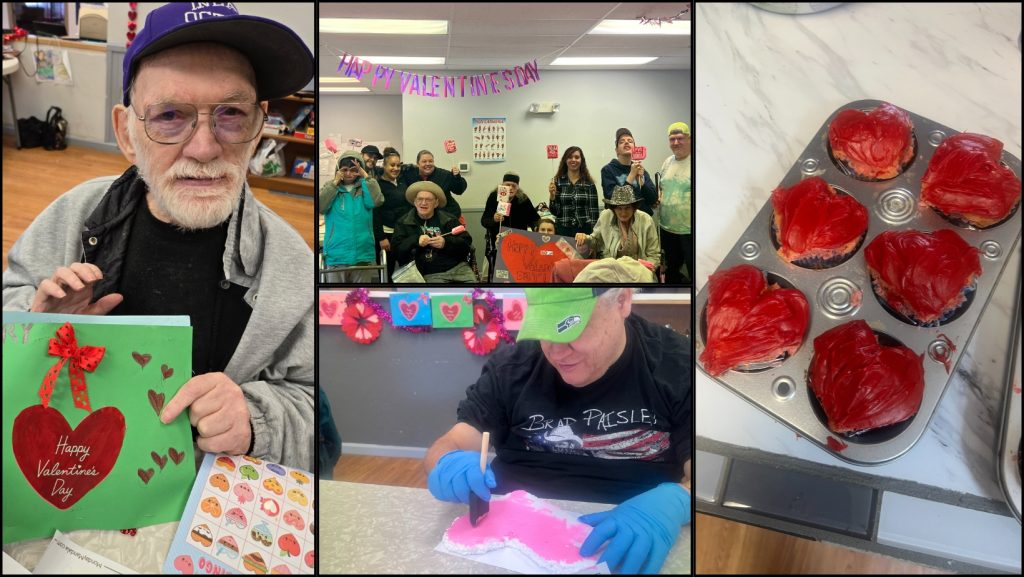
5) Adapt activities: Modify games, crafts, or routines so everyone can participate comfortably.
6) Encourage communication choices: Support verbal, nonverbal, or assistive communication methods for sharing feelings.
7) Focus on choice and consent: Let each person decide how—and if—they want to celebrate.
8) Practice self-love: Journaling, relaxation activities, or affirmations can make the day meaningful even when celebrated alone.