
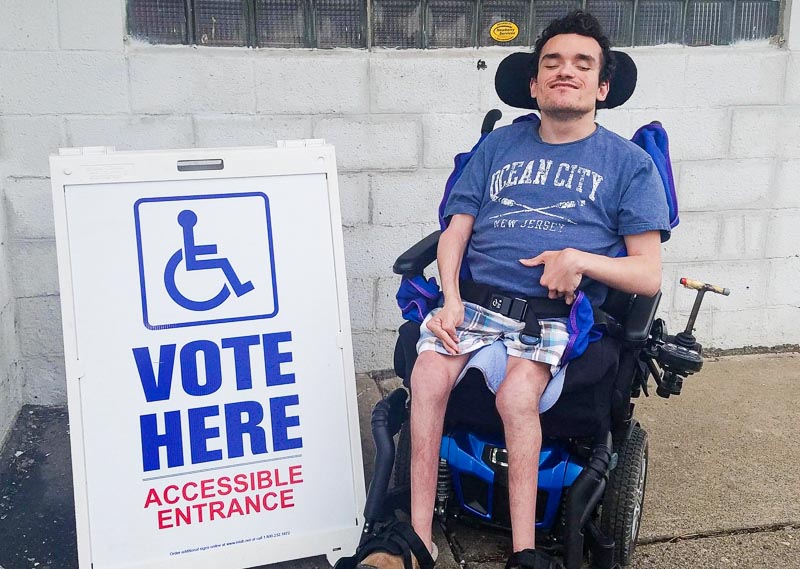
Voting is a fundamental right and an important way for people to express their opinions, participate in their communities, and help shape the future. Everyone deserves the opportunity to make their voice heard, including people with intellectual, developmental, physical, sensory, and other disabilities. Accessible voting ensures that individuals with disabilities can participate in elections independently, privately, and with confidence.
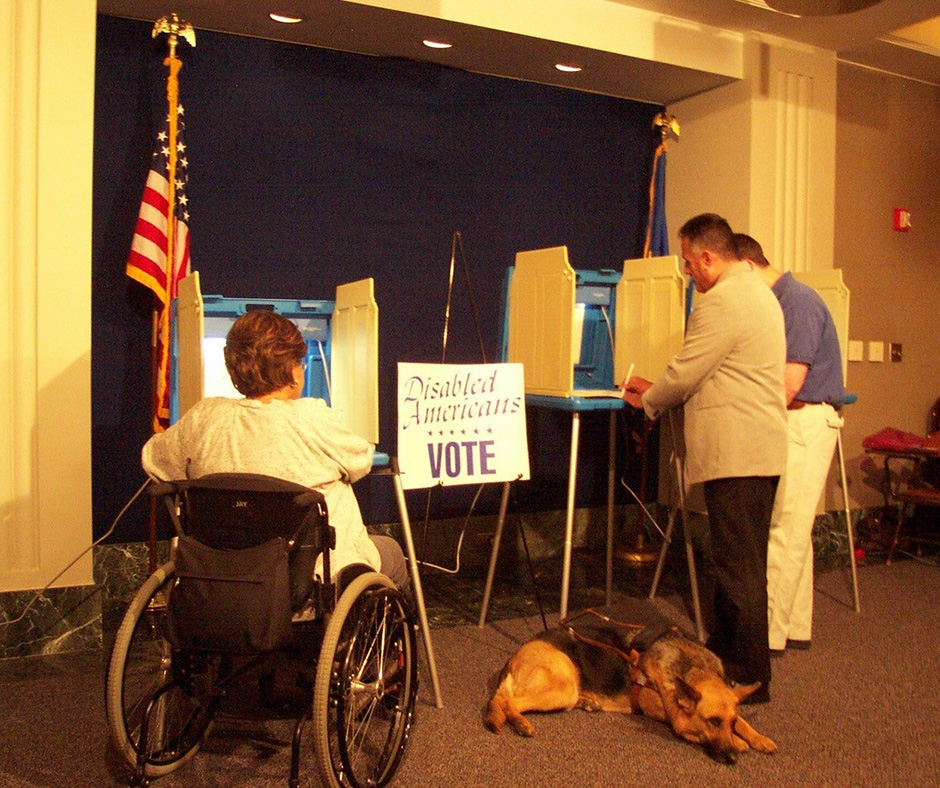
Unfortunately, people with disabilities may face barriers when voting. These challenges can include polling places without wheelchair access, voting machines that are difficult to use, ballots that are not available in accessible formats, or instructions that are difficult to understand. For individuals with intellectual or developmental disabilities, complicated language and unfamiliar voting procedures can also make the experience overwhelming.
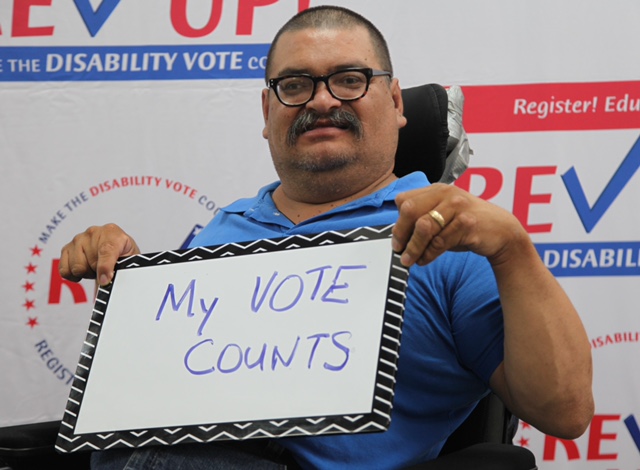
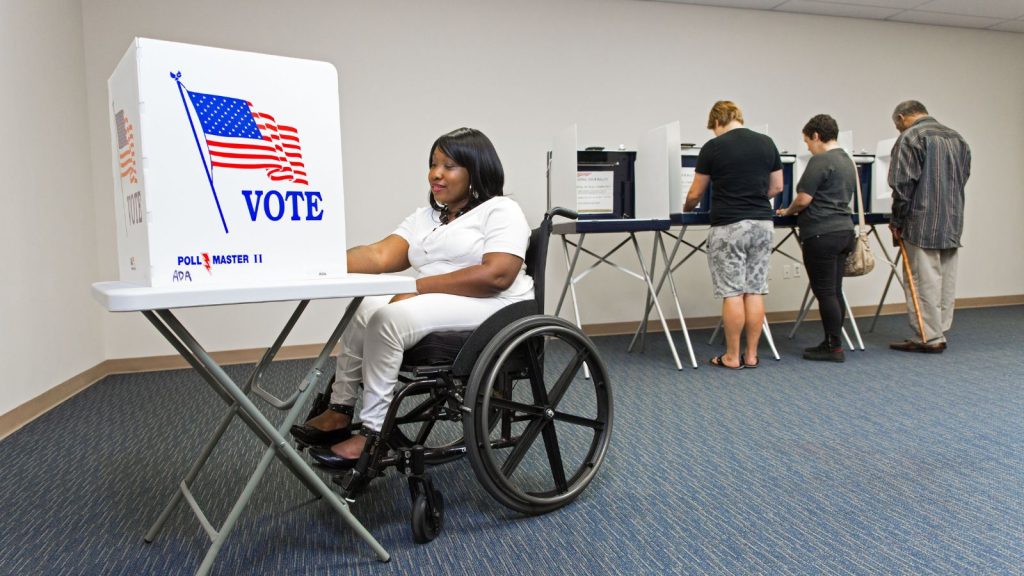
Creating an inclusive voting experience means removing these barriers and providing the support people need. Accessibility can include wheelchair-accessible polling locations, large-print ballots, audio assistance, accessible voting machines, sign language interpretation, and easy-to-understand voting information. In the United States, federal laws such as the Americans with Disabilities Act (ADA) and the Help America Vote Act (HAVA) help protect the right of people with disabilities to access the voting process.
Equally important is respecting each person’s independence and choices. People with disabilities have the right to make their own voting decisions. When assistance is needed, voters can generally receive help from a person of their choice, subject to applicable legal exceptions. Caregivers, family members, and Direct Support Professionals can help by explaining the voting process, locating accessibility resources, arranging transportation, and encouraging participation without influencing someone’s choices.
How Caregivers and DSPs Can Support Accessible Voting
Direct Support Professionals and caregivers can help make voting a positive and empowering experience by:
- Encouraging participation: Remind individuals that their voices and opinions matter.
- Providing information: Explain registration, voting dates, and available voting methods in simple, accessible language.
- Practicing ahead of time: Help individuals become familiar with sample ballots and voting procedures.
- Planning transportation: Arrange accessible transportation when needed.
- Respecting personal choices: Allow individuals to make their own decisions without pressure or influence.
- Promoting independence: Offer assistance only when requested or needed, while respecting each person’s privacy and dignity.
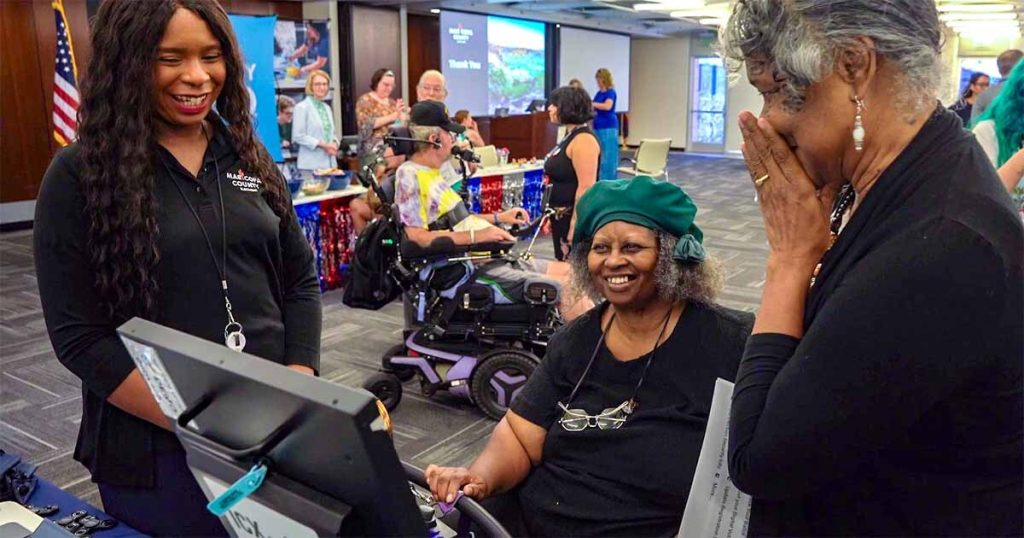
Every Voice Deserves to Be Heard
Accessible voting is about more than reaching a polling place. It is about equality, independence, dignity, and belonging. When communities remove barriers and provide the right accommodations, people with disabilities have greater opportunities to participate in decisions that affect their lives.
As caregivers, support professionals, families, and community members, we all have a role in promoting inclusion and protecting the right of every eligible individual to participate in the democratic process.
Because every voice matters. Every vote counts. And everyone deserves the opportunity to be heard.
Helpful Resources: