

Choosing between assisted living and home care is one of the most important—and often emotional—decisions families face. While personal preference, independence, and health needs all play a role, cost is frequently the deciding factor. Unfortunately, many of the beliefs that guide these decisions are based on myths rather than reality.
One of the most common misconceptions is that home care is always the more affordable option. At first glance, this seems logical: receiving care at home avoids the expense of moving into a residential community. However, the true cost of home care can add up quickly. Hourly rates for caregivers, especially for round-the-clock support, may exceed the monthly cost of assisted living. In addition, families often overlook indirect expenses such as home modifications, utilities, transportation, and the emotional and physical toll on unpaid family caregivers.
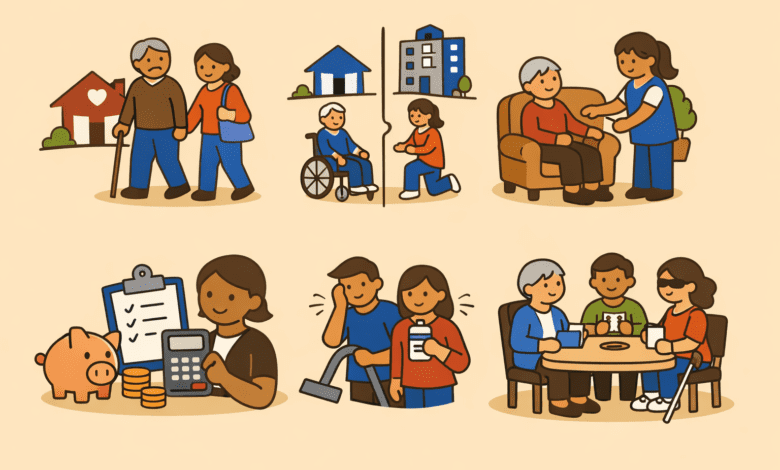
On the other hand, assisted living is often perceived as expensive and out of reach. While it’s true that there is a monthly fee, this cost typically includes housing, meals, utilities, social activities, and access to 24/7 support. When viewed holistically, assisted living can provide a more predictable and sometimes even more economical solution—particularly for individuals who require consistent care and supervision.
Another myth is that home care offers more flexibility and personalization. While it does allow individuals to remain in familiar surroundings, assisted living communities today are increasingly tailored to individual needs. Residents often receive personalized care plans, opportunities for social engagement, and access to wellness programs that may be difficult to replicate at home without significant expense.

Families also tend to underestimate the hidden costs of isolation. Seniors receiving care at home may face loneliness, which can impact mental and physical health. Assisted living environments, by contrast, foster community and connection—an often overlooked but invaluable benefit.
Ultimately, the decision between assisted living and home care should be guided by a clear understanding of both financial realities and quality-of-life considerations. By looking beyond common cost myths and evaluating the full picture, families can make informed choices that truly support the well-being of their loved ones.