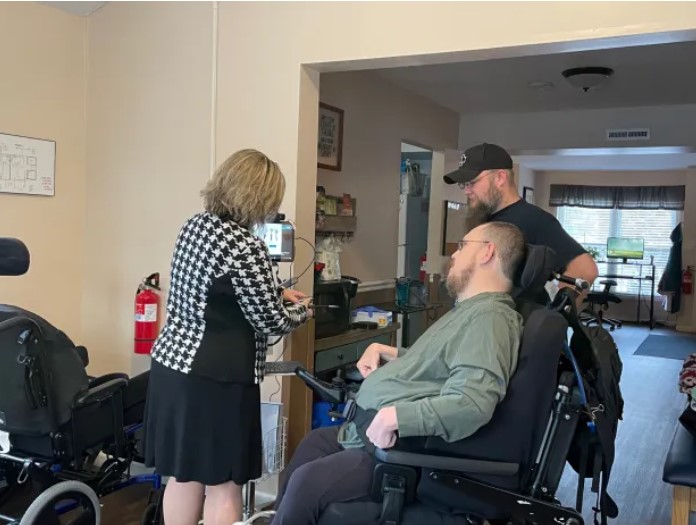
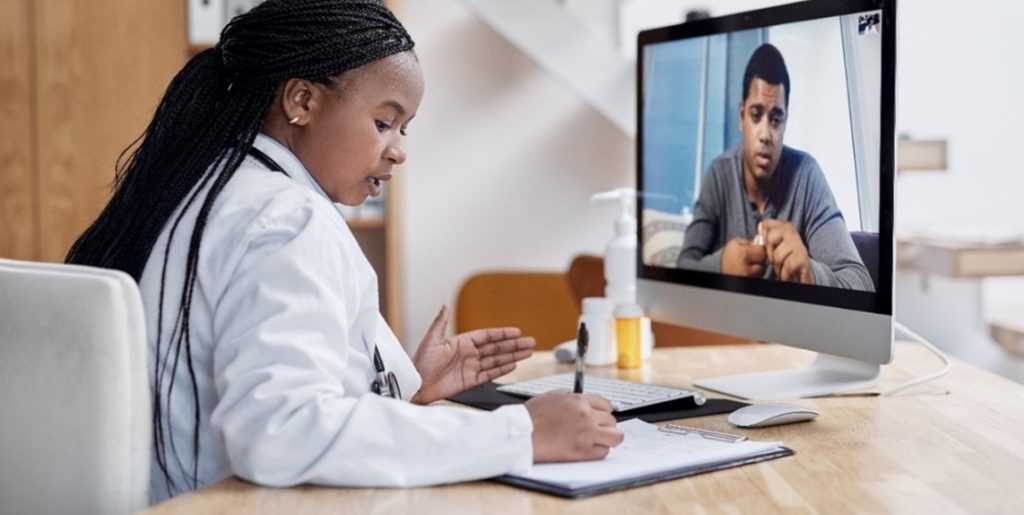
Accessible telehealth is transforming the way people receive healthcare, especially for individuals with disabilities, older adults, and those living in remote or underserved areas. By using digital tools such as video calls, phone consultations, and secure messaging platforms, telehealth removes many of the physical and transportation barriers that can make in-person visits difficult. It allows patients to connect with healthcare providers from the comfort of their own homes, promoting greater independence, convenience, and continuity of care.
For telehealth to be truly accessible, it must be designed with inclusivity in mind. This includes features such as closed captioning for individuals who are deaf or hard of hearing, screen reader compatibility for those with visual impairments, and simple, user-friendly interfaces for individuals with cognitive disabilities. Language access services, including interpreters and multilingual platforms, also play a critical role in ensuring that diverse populations can fully benefit from virtual care. When these elements are thoughtfully integrated, telehealth becomes a powerful tool for reducing health disparities.
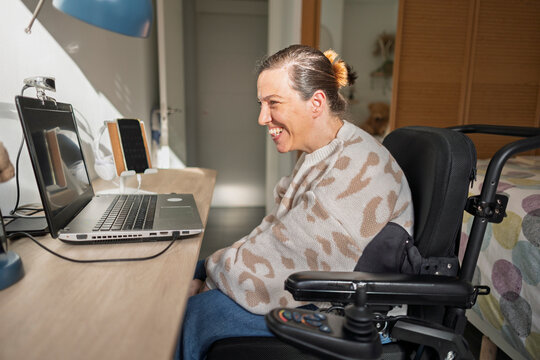
For caregivers and Direct Support Professionals (DSPs), accessible telehealth offers an efficient way to coordinate care, attend appointments, and advocate for those they support. It reduces the stress associated with travel, minimizes disruptions to daily routines, and enables quicker follow-ups with providers. As technology continues to evolve, accessible telehealth has the potential to create a more equitable healthcare system—one where quality care is not limited by physical, geographical, or communication barriers.