

Smartglasses are emerging as a powerful assistive technology, offering new levels of independence, safety, and connection for adults with disabilities. Designed to look like regular eyeglasses but equipped with advanced features such as cameras, audio output, and augmented reality, smartglasses can support individuals with visual, hearing, cognitive, and mobility challenges in their daily lives.
One of the most significant benefits of smartglasses is enhanced accessibility. For individuals with visual impairments, these devices can provide real-time audio descriptions of surroundings, read printed text aloud, and even recognize faces. For those who are deaf or hard of hearing, smartglasses can display live captions during conversations, making communication smoother and more inclusive. This technology helps reduce barriers and fosters greater participation in social, professional, and community settings.
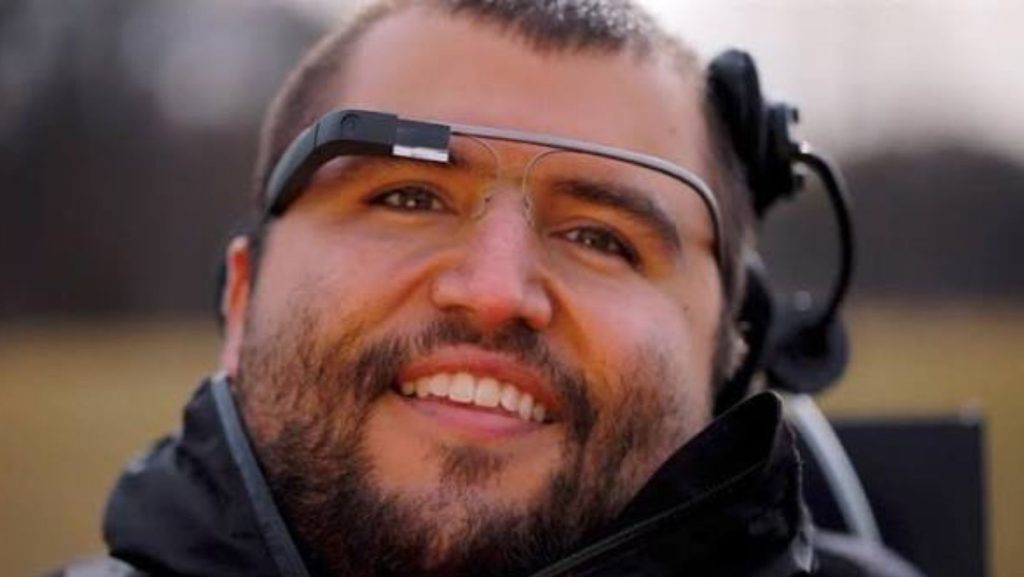
Smartglasses also promote independence and confidence. With features like navigation assistance, reminders, and object recognition, users can complete everyday tasks—such as shopping, traveling, or managing schedules—more easily and safely. For adults with cognitive disabilities, step-by-step prompts and visual cues can support memory and task completion, reducing reliance on caregivers while maintaining dignity and autonomy.
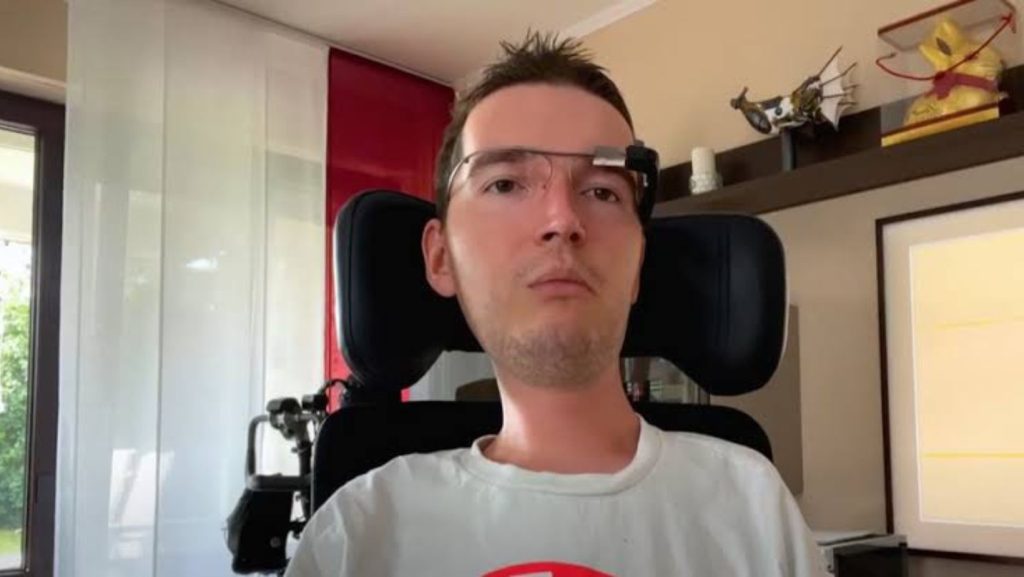
In addition, smartglasses can improve safety and well-being. Real-time alerts, hazard detection, and hands-free communication allow users to stay aware of their environment and quickly reach out for help if needed. This is especially valuable for individuals who may be at higher risk of falls or disorientation.
As technology continues to evolve, smartglasses are becoming more user-friendly and accessible. By bridging gaps in communication, navigation, and daily functioning, they offer adults with disabilities a meaningful way to live more independently, stay connected, and engage fully with the world around them.