
“Epilepsy Awareness Day, also known as Purple Day, is observed each year on March 26 to increase understanding, reduce stigma, and support people living with Epilepsy. Epilepsy is a neurological condition that affects millions of individuals worldwide, causing recurring seizures that can vary in type and severity. Despite how common it is, many misconceptions still exist, making awareness and education especially important.
Purple Day encourages people around the world to wear purple as a symbol of solidarity and compassion. Schools, workplaces, and communities often participate by sharing information, hosting events, and creating supportive environments for those affected. This day is also an opportunity to highlight the importance of proper diagnosis, treatment, and access to care, as well as to recognize the strength and resilience of individuals living with epilepsy.” [1]
Learn what to do if someone has a seizure
“On Purple Day, consider learning what to do when you witness someone having a seizure. You can even share this information with others to increase everyone’s awareness.
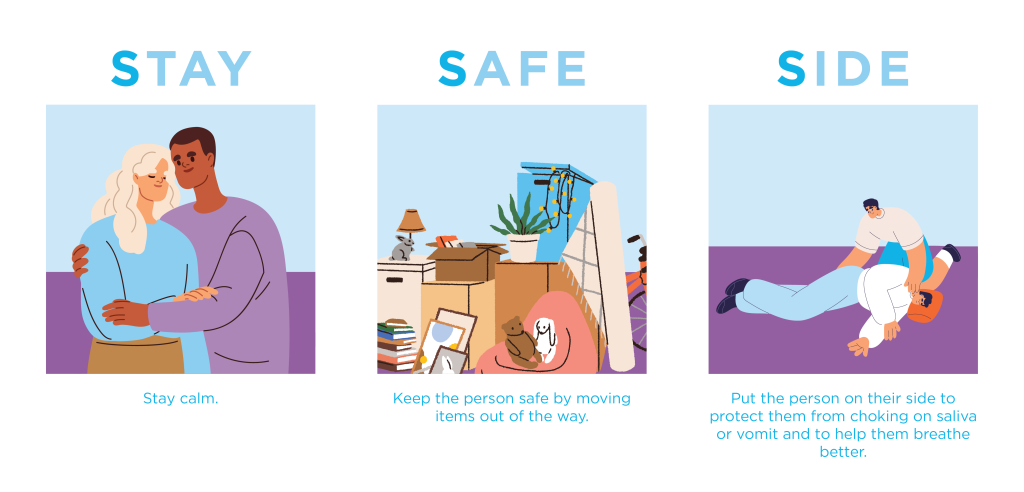
Remember the letters SSS: stay, safe, side.
- Stay: Stay calm.
- Safe: Keep the person safe by moving items out of the way.
- Side: Put the person on their side to protect them from choking on saliva or vomit and to help them breathe better. Place something soft under their head to keep them as comfortable as possible.
It’s a myth that someone having a seizure can choke on their tongue. Do not put anything in the person’s mouth, as it can become a choking hazard.
Call 911 only if a seizure lasts longer than five minutes or if a person was injured during a seizure. Many people living with epilepsy don’t want to find themselves in an ambulance after short seizures.
When a seizure is over:
- The person might not realize or remember what happened.
- Many people prefer that you don’t make a big deal out of it.
- Some people may have particular food cravings afterward.”
Go purple
- Change your social media colors to purple.
- Make purple cupcakes or another purple treat.
- Plant lavender or display lavender flowers in your home or office.
- Wear a purple shirt or a purple epilepsy ribbon for the day.
- Ask your employer, school, or community organization to encourage everyone to wear purple.’ [2]
By promoting knowledge and empathy, Purple Day helps break down barriers and fosters inclusion. Even small actions—like learning seizure first aid or simply starting a conversation—can make a meaningful difference in creating a more informed and supportive society.” [1]
Resources
[1] https://chatgpt.com/c/69c2a442-e4e0-8328-9846-e3abb1cd0816
[2] https://www.neuropace.com/blog/epilepsy-awareness-day-purple-day-for-epilepsy/