
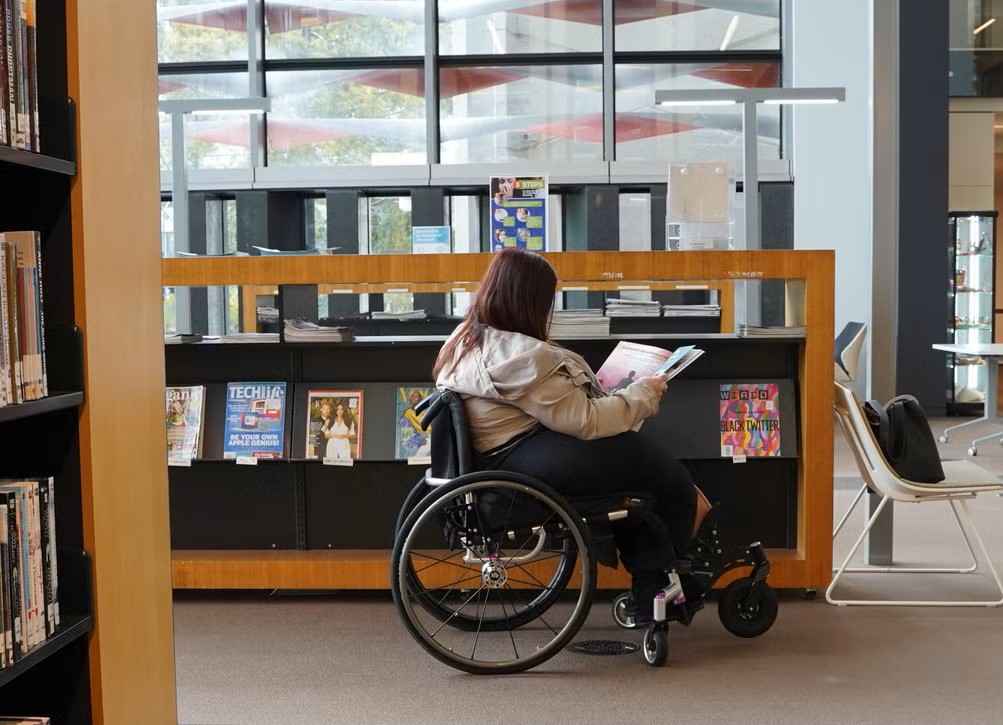
February is widely recognized as Library Lovers Month, a time to celebrate libraries, librarians, and the vital role these institutions play in fostering learning, community, imagination, and connection. For book lovers everywhere, it’s a special moment to step inside these welcoming spaces — whether grand and historic or cozy and local — and to rediscover why libraries remain indispensable to modern life.
Libraries today are far more than book repositories: they are community hubs offering free internet access, digital media (like e-books and audiobooks), cultural events, classes, workspaces, and services for people of all ages and backgrounds — from story time for children to tech workshops and literary panels.

Accessible Libraries in Washington State
Here’s a curated list of accessible libraries in Washington State — focused on those that go beyond books to offer services, programs, and physical or digital accessibility for people with a wide range of needs:
1. Seattle Public Library – Library Equal Access Program (LEAP)
One of the most comprehensive accessibility efforts in the state:
- Library Equal Access Program (LEAP)
- Assistive Equipment
- Braille Displays & PageTurn Devices
- Mobile Services & Tours
- Washington Talking Book & Braille Library
This blend of in-person accessibility services and mobile or remote offerings makes SPL a standout option for inclusive library experiences.
2. University of Washington Libraries & Regional UW Campus Libraries
A major academic system with structured accessibility efforts:
- ADA-Compliant Facilities
- Assistive Technology
- Adaptive Resources
- Support Services
UW’s system spans multiple campuses (Seattle, Tacoma, Bothell), making accessibility options available throughout the region.
3. Spokane County Library District – Access to Library Services for People with Disabilities
A strong example of a community library system designed for accessibility:
- Adaptive Equipment
- Physical Accessibility
- Low and High-Height Service Points
- Program Accommodations
This district prioritizes accessibility both in everyday library operations and special events.
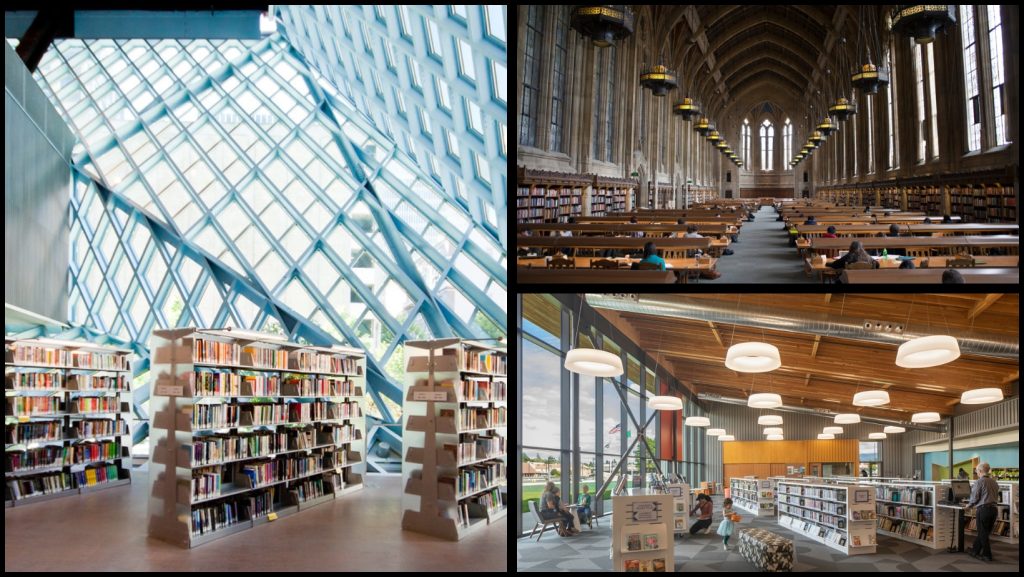
4. North Olympic Library System – County-Wide Accessibility Tools
NOLS serves Clallam County with wide-ranging accessibility features:
- Accessible Computers & Wi-Fi
- Hearing Loop Systems
- Specialized Equipment
- Outreach Delivery
- Materials in Multiple Formats
This system focuses on inclusive physical access and remote engagement.
5. Fort Vancouver Regional Library – Inclusive Community Resources
A community-centered library system with a broad view of accessibility:
- While not all specifics are published under “accessibility,” the system offers:
- Digital and analogue materials in multiple formats (print, ebook, audiobook).
- Programs and tools to serve diverse users — from kids to adults.
- Community partnerships that broaden access to learning and recreation, including state park passes and other shared experiences.
Libraries like Fort Vancouver show how accessibility can extend to programming and cultural access as well as physical or digital tools.
6. Washington Talking Book & Braille Library (Statewide)
Though its building is now open by appointment only, this special library serves the entire state:
- Talking Books & Braille Collections
- Free Mail Delivery
- Assistive Technology Support
This program is part of a national public service dedicated to removing barriers to reading and information access.
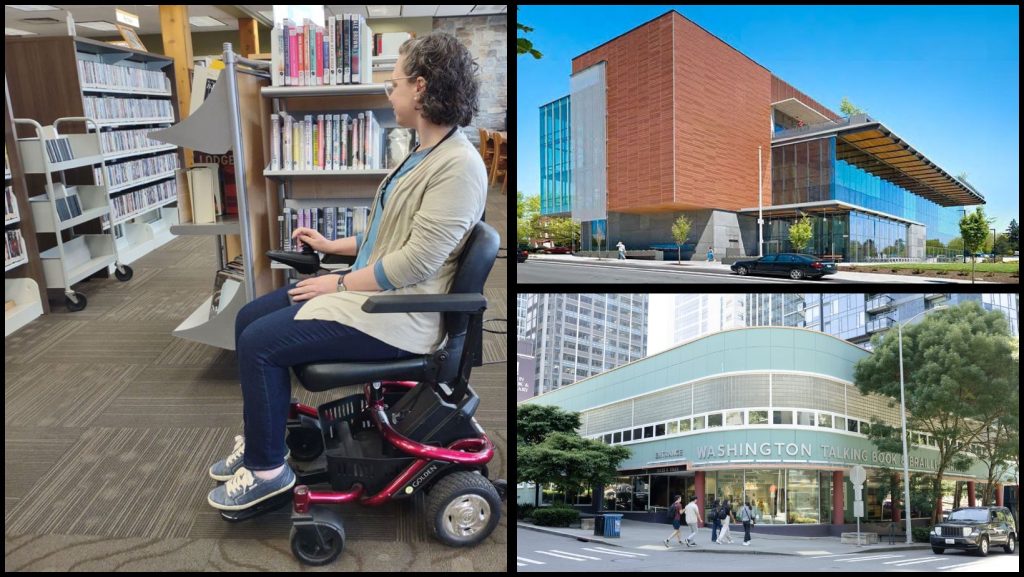
Accessibility Tips for Visiting Libraries in Washington
- Ask About Assistive Tech: Many branches have screen readers, magnifiers, and adaptive keyboards — but you often need to request them at the service desk.
- Library Cards Expand Access: With a Washington library card, you can borrow not only books but often digital media, accessible materials, and even outdoor park passes through statewide programs.
- Use Digital Services: Apps like Libby or OverDrive let you adjust font size, contrast, and narration for reading at home, which is a powerful way to access materials without travel.
- Contact Accessibility Services: Before visiting, call or email a library’s accessibility coordinator — particularly if you want custom accommodations or a tour.