

What is cerebral palsy?
“Cerebral palsy (CP) is a brain disorder that appears in infancy or early childhood and permanently affects body movement and muscle coordination. Cerebral palsy is caused by changes in the developing brain that disrupt its ability to control movement and maintain posture and balance. The term cerebral refers to the brain. Palsy refers to problems with movement.” [1]
How to Interact with People with Cerebral Palsy?
“Some cases of cerebral palsy happen when the areas of the brain involved in muscle movement don’t develop as expected in the womb. In others, the damage is a result of injury to the brain before, during, or after birth.
As the people-first language movement points out, people are not defined by their disabilities. A person with cerebral palsy is many things. When you meet someone with disabilities, get to know them as individuals, as you would with anyone else.” [2]
“Sometimes able-bodied people may feel uncomfortable speaking with someone with cerebral palsy. Here are some suggestions on how to overcome your hesitations and get to know someone with cerebral palsy.”

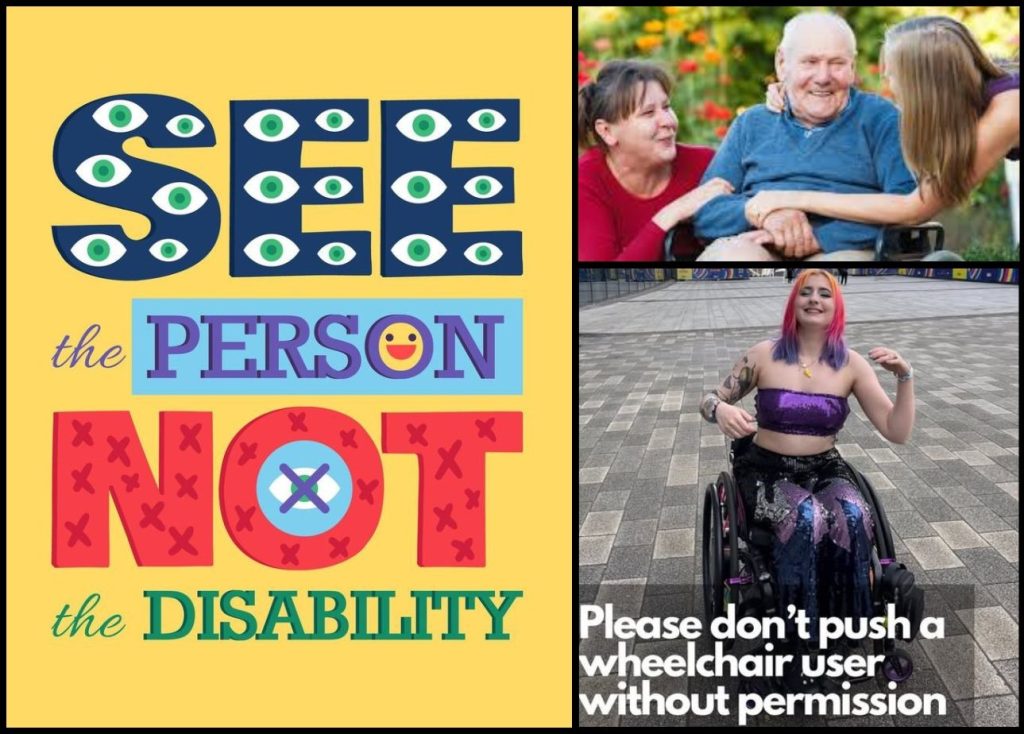
“1. See the Person, Not the Disability
Treat them as you would anyone else. Focus on their personality, interests, and what they’re saying—not just their disability. Don’t make assumptions about their intelligence or abilities based on their physical condition.
2. Communicate Respectfully
Speak directly to the person, not to a caregiver or companion if they’re present. If speech is affected, be patient. It might take them longer to speak, but that doesn’t mean they don’t understand. If you’re unsure what they said, it’s okay to politely ask them to repeat themselves or clarify. Let them use their preferred communication methods—whether that’s verbal speech, a communication device, or gestures.
3. Be Mindful of Physical Interaction
Always ask before helping. Grabbing a wheelchair, walker, or arm without permission can be disrespectful or even unsafe. Don’t lean on or touch their mobility aids — these are part of their personal space. If you’re having a long conversation with someone in a wheelchair, try to sit or kneel to maintain eye-level contact.
4. Be Patient and Flexible
Tasks might take longer or need to be done differently. Be supportive, not pushy. If the person has trouble with coordination, don’t draw attention to it or express impatience.
5. Educate Yourself and Others
Learn more about CP so you can understand the range of symptoms and how they affect people differently. Encourage inclusive environments—whether socially, professionally, or in education.
6. Avoid Stereotypes or Overpraising
Avoid talking down or being overly sympathetic. People with CP want to be seen as capable and equal. Don’t overly praise someone for doing everyday tasks—that can feel patronizing.” [4]

When in Doubt, Ask
“Most importantly, for any type of disability, ask questions. Don’t be afraid to ask about their needs or preferences. This shows respect and allows the individual to direct your interaction. Don’t assume they want help with something. Always ask first.
Being respectful isn’t difficult, but when someone has different abilities, you may need to think more before you speak or act.” [2]
Resources
[1] https://www.ninds.nih.gov/health-information/disorders/cerebral-palsy
[2] https://www.cerebralpalsyguidance.com/2024/11/12/a-guide-to-disability-etiquette
[3] https://www.rossfellercasey.com/m/speak-to-someone-with-cerebral-palsy/
[4] https://chatgpt.com/c/680a8117-6ab4-8004-9ec6-9f9ff81cd717