

Mental Wellness Month is an important time dedicated to raising awareness about mental health and encouraging individuals to care for their emotional, psychological, and social well-being. Just as physical health is essential for a productive life, mental wellness plays a vital role in how people think, feel, cope with stress, and relate to others. Observing Mental Wellness Month reminds us that mental health deserves attention, understanding, and compassion every day.
In today’s fast-paced world, many people face stress from academic pressure, work demands, social expectations, and personal challenges. When mental health is neglected, these pressures can lead to anxiety, depression, burnout, and reduced quality of life. Mental Wellness Month helps break the stigma surrounding mental health by promoting open conversations and encouraging individuals to seek help without fear or shame.
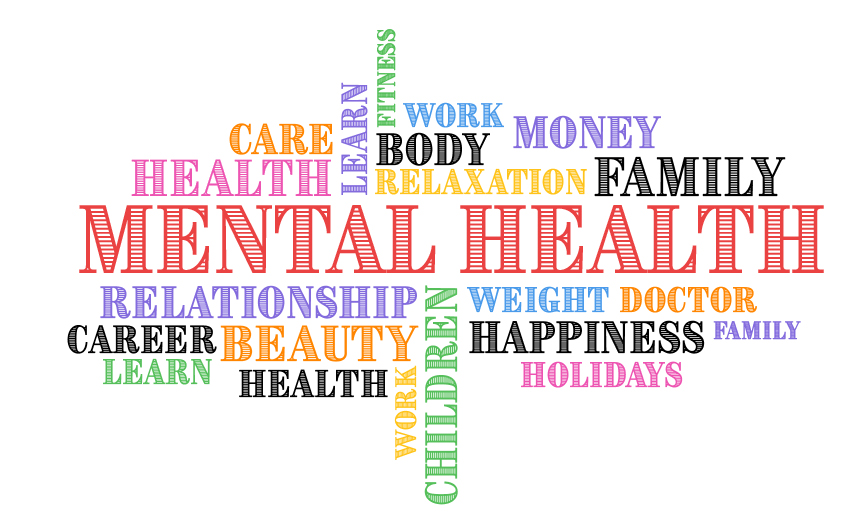
Mental wellness is not merely the absence of mental illness; it involves maintaining balance, resilience, and emotional strength. Simple daily practices such as mindfulness, healthy routines, and meaningful social connections can significantly improve mental well-being. Communities, schools, and workplaces also play a crucial role by fostering supportive environments where individuals feel valued and heard.
By observing Mental Wellness Month, society is reminded that mental health care is a shared responsibility. When people prioritize mental wellness, they are better equipped to face challenges, build healthy relationships, and live fulfilling lives. Promoting mental wellness ultimately leads to stronger individuals, healthier communities, and a more compassionate world.

Tips for Maintaining Mental Wellness
1) Practice self-care regularly: Make time for activities that relax and recharge you, such as reading, listening to music, or spending time in nature.
2) Stay physically active: Exercise boosts mood and reduces stress by releasing endorphins, even with simple activities like walking or stretching.
3) Maintain healthy routines: Get enough sleep, eat balanced meals, and manage your daily schedule to avoid burnout.
4) Talk about your feelings: Sharing thoughts with trusted friends, family, or counselors’ helps reduce emotional burden.

5) Practice mindfulness and relaxation: Techniques like deep breathing, meditation, or journaling can calm the mind and improve focus.
6) Limit stress and screen time: Take breaks from social media and digital devices to prevent mental fatigue.
7) Seek professional help when needed: Asking for support from mental health professionals is a sign of strength, not weakness.
8) Be kind to yourself and others: Practice self-compassion and show empathy toward those around you.

Mental Wellness Month reminds us that caring for our mental health is just as important as caring for our physical health. By practicing self-care, supporting one another, and seeking help when needed, we can build resilience and lead healthier, more balanced lives. Prioritizing mental wellness benefits not only individuals but also our communities as a whole.