
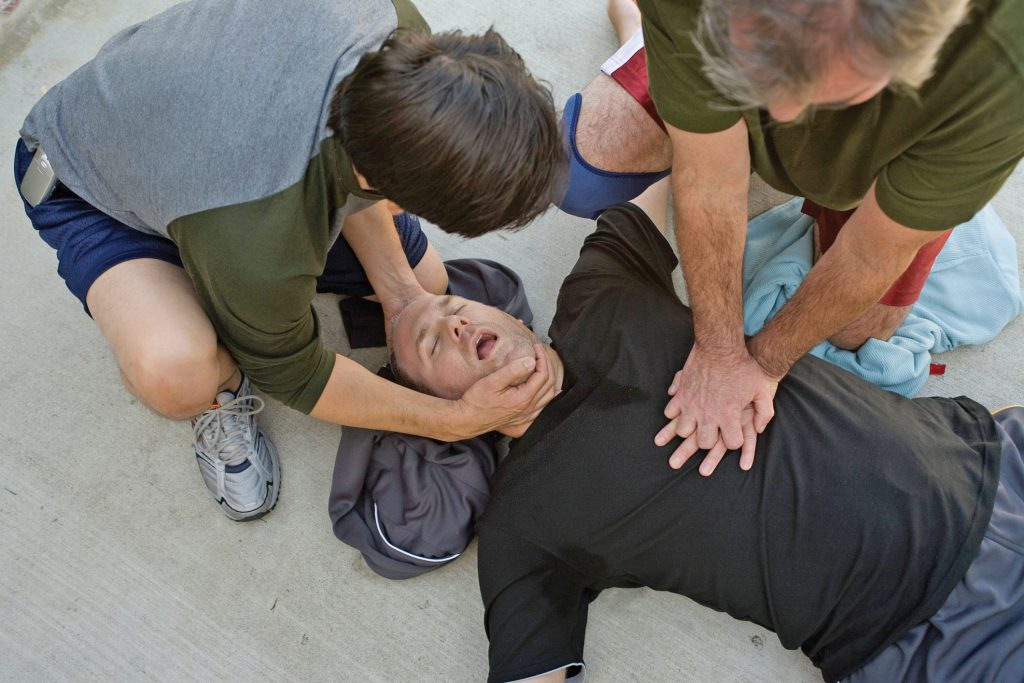
“CPR stands for cardiopulmonary resuscitation. It can help save a life during cardiac arrest, when the heart stops beating or beats too ineffectively to circulate blood to the brain and other vital organs.
With a half-million cardiac arrests each year, CPR increases the likelihood of surviving cardiac arrest, when the heart stops beating or beats too ineffectively to circulate blood to the brain and other vital organs. It’s not just for healthcare workers and emergency responders. CPR can double or triple the chance of survival when bystanders take action. The Red Cross helps train you safely, effectively and confidently so you’re prepared for the moments that matter.” [1]
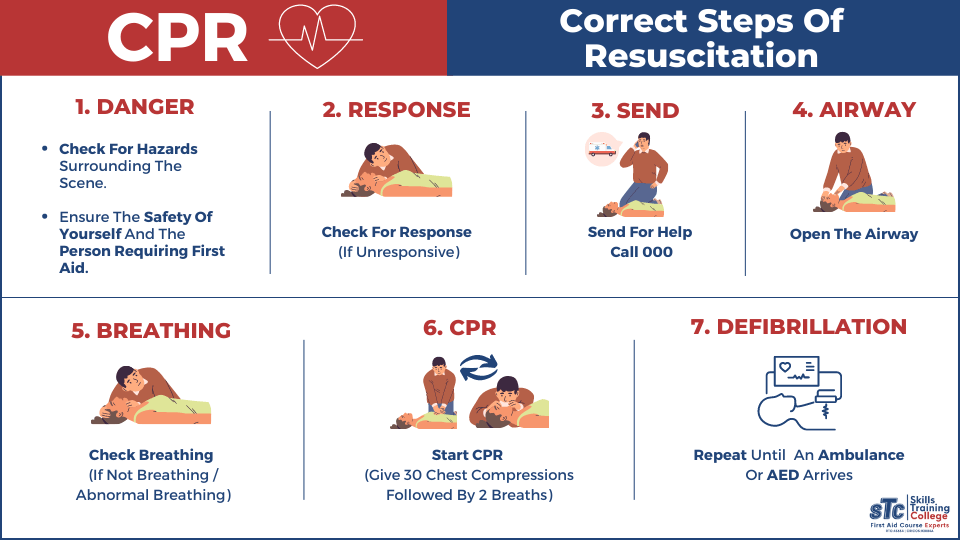
When is CPR necessary?
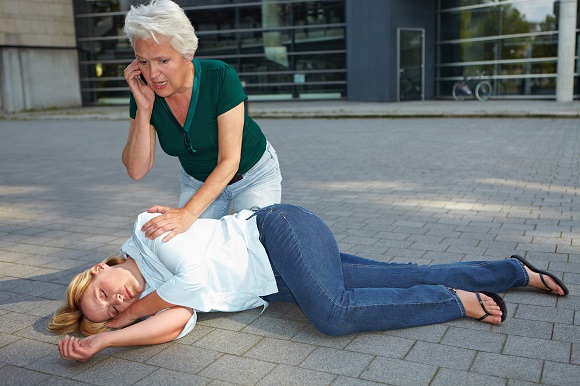
“When is it Necessary to Perform CPR?
Check the following:
- Is the person unconscious and/or unresponsive?
- Has the person stopped breathing normally?
If the answer to these questions is yes, call 911, put your phone on speaker call and begin compression-only CPR right away.” [2]
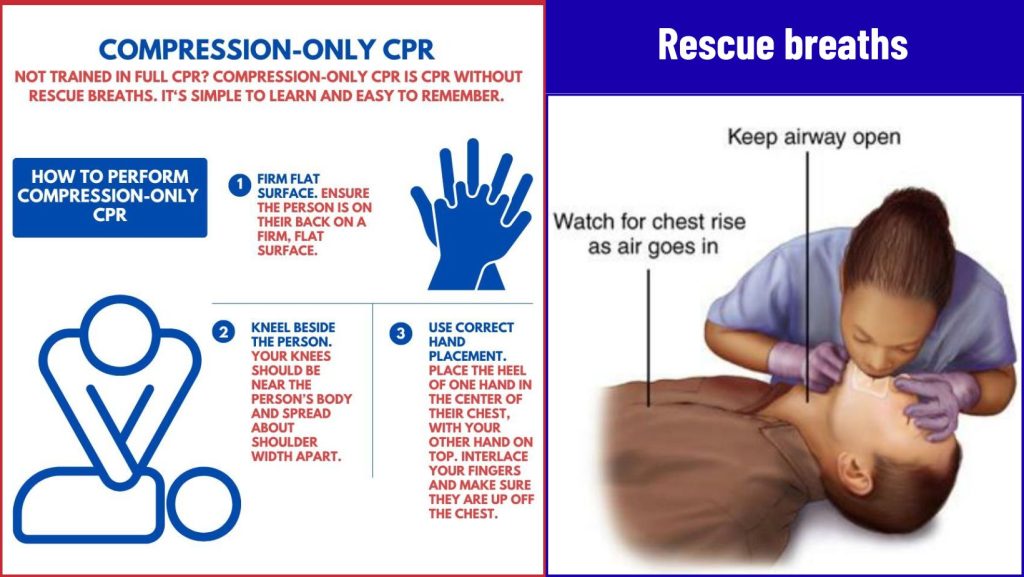
Types of CPR: Compression-only vs. rescue breaths
“When CPR training begins, the trainee is introduced to two forms of CPR: compression-only and compression with rescue breaths.
- Compression-only CPR: With this technique, the cardiac arrest victim is given fast and hard chest compressions without breaths in the mouth. These compressions push remaining oxygen through the body and are just as effective as conventional CPR with breaths if performed immediately.
- Compression with rescue breaths: This technique usually requires in-depth training and is often necessary for those who work in a medical field. Alternating breaths and chest compressions provide additional oxygen compared to compressions alone.
What Are the Benefits of Learning CPR?
“Learning CPR (Cardiopulmonary Resuscitation) has many life-saving and personal benefits. Here are the key ones:
1. Saves Lives
- CPR can double or even triple a person’s chance of survival after cardiac arrest.
- It keeps oxygenated blood flowing to the brain and other vital organs until professional help arrives.
2. Increases Confidence in Emergencies
- Knowing CPR helps you stay calm and act quickly during life-threatening situations.
- You feel more prepared to help at home, work, or in public.
3. Protects Loved Ones
Most cardiac arrests happen at home. Learning CPR means you may one day save a family member, friend, or child.
4. Widens Community Safety
- A community with more trained individuals is safer overall.
- Immediate CPR from bystanders significantly increases survival rates.
5. Easy to Learn, Highly Impactful
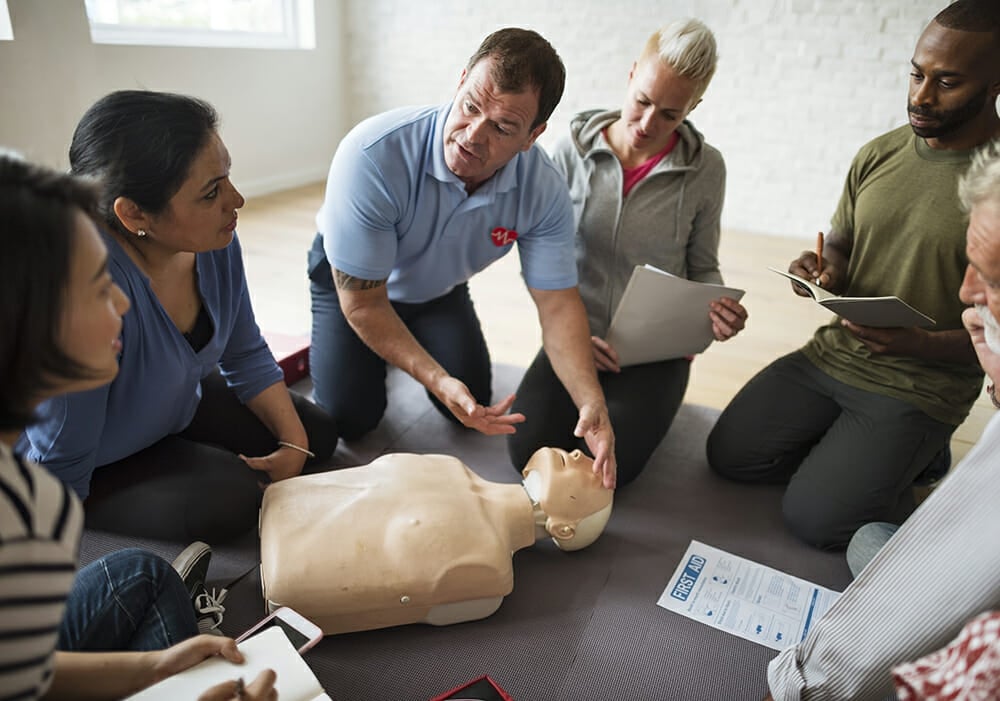
- Training is widely available and takes only a few hours.
- Even hands-only CPR can make a big difference.
6. Career and Workplace Advantage
- Many jobs in healthcare, education, childcare, fitness, and public service require or encourage CPR certification.
- It demonstrates responsibility and leadership.
7. Promotes Health Awareness
Learning CPR often comes with first aid training, teaching you how to respond to choking, drowning, and other emergencies.
In short: Learning CPR is quick, practical, and could mean the difference between life and death.” [4]
[1] https://www.redcross.org/take-a-class/cpr/performing-cpr/what-is-cpr
[3] https://www.loyolamedicine.org/newsroom/blog-articles/life-saving-power-cpr
[4] https://chatgpt.com/c/68aca457-2ac0-8323-a493-bdd940a6174a