
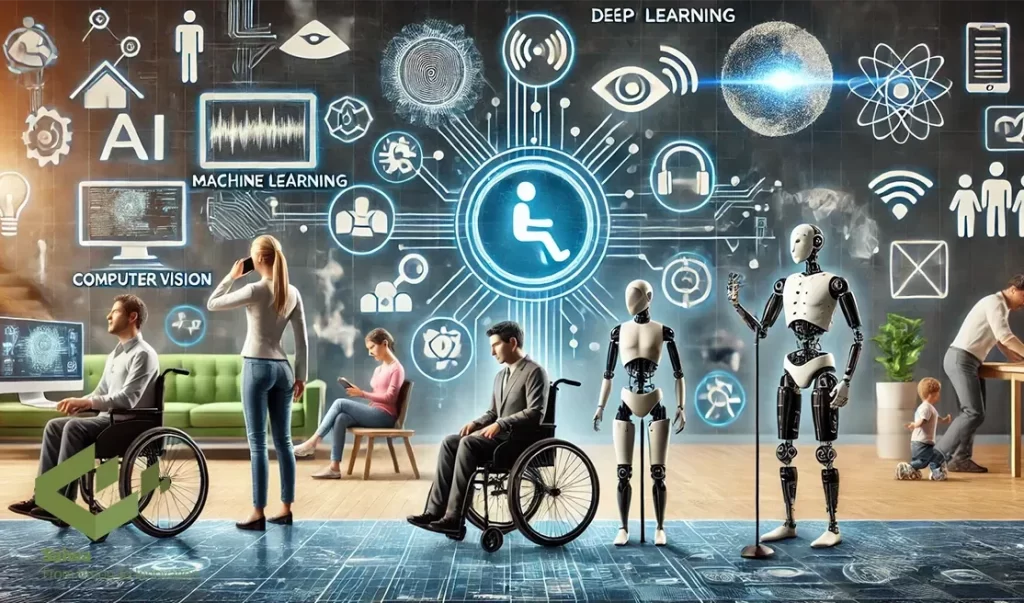
“Artificial Intelligence, or AI, is a fascinating area of computer science that aims to create smart machines capable of tasks that usually need human brains. This includes things like understanding spoken or written language, recognizing patterns, solving complex problems, and learning from past experiences and mistakes. It’s also about computer programs that can process large amounts of data quickly and accurately.” [1]
“Progress in Artificial Intelligence (AI) is being propelled by the intersection of big data, cloud computing, novel algorithms, distributed intelligence, and robotics. AI integrates digital technologies with human intelligence, allowing tools to operate in intricate settings, acquire knowledge from data, and render decisions. Governments are formulating national AI blueprints to leverage its advantages. Information and communication technologies (ICTs) have amplified disability advocacy, highlighting the critical importance of internet access for exercising human rights and closing the digital gap.” [3]
“The WHO estimates that more than 2.5 billion disabled people will need one or more assistive technologies in 2030. Yet almost a billion of them can’t access these products. Considering how globalization is increasing, this means we are denying an entire community from enjoying the same services as everyone else.” [3]
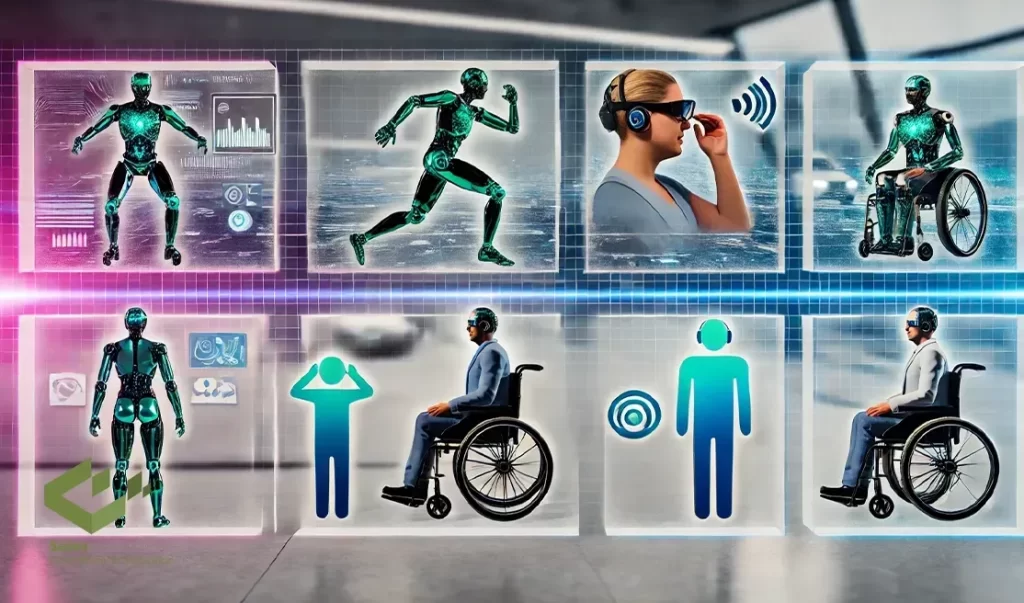
AI for People with Disabilities: What Does it Mean?
“When we talk about AI for people with disabilities, we’re referring to:
- AI tools designed specifically for people with disabilities
- Other AI tools that can help people with disabilities live independently
There are plenty of ways AI helps people with disabilities, but it most notably does things like:
- Enhances accessibility. Many AI tools remove barriers between people with disabilities and what they want or need to do. For instance, AI-powered speech recognition software can help people with limited mobility move around or control devices. Likewise, prosthetics and exoskeletons may use AI to be more intuitive and responsive.
- Supports communication. AI helps translate thoughts and feelings into words, even if the person using it communicates differently. Think of things like predictive text and language processing tools, which can generate speech from text or symbols.
- Offers personalized support. AI learning materials, monitoring software, and other options can adapt to a user’s needs in real-time, delivering tailored assistance when it’s needed most.” [4]
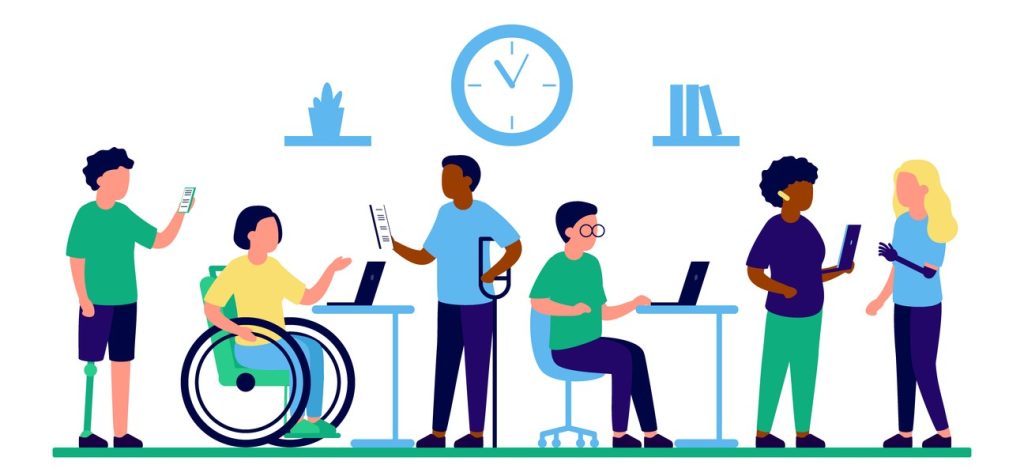
5 Ways AI Might Help a Person with a Disability
1. Improved Communication
“AI-powered speech recognition systems can enable individuals with mobility impairments to control their computers and communicate more effectively. AI-driven text-to-speech and speech-to-text software might also empower people with a visual or hearing impairment by providing alternative means of communication.” [5]
2. Assistive technology
“Assistive technology powered by AI can provide a lifeline for individuals with disabilities, enabling them to perform tasks they may have difficulty with. For example, people with visual impairments can use AI-powered screen readers or magnifiers to read and view text on a screen. One example of this is Microsoft’s Seeing AI app, which uses AI to describe the world around the user, providing an audio description of objects, people, and text.” [6]
3. Accessibility in Public Spaces
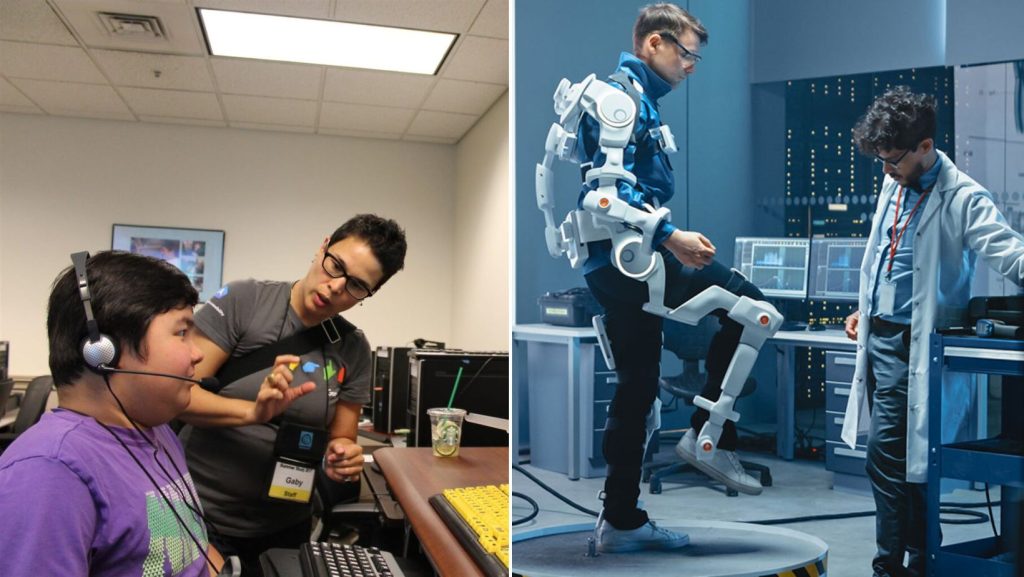
“AI is currently being used to make public spaces more accessible. Smart cities are using AI-powered systems to provide real-time information about accessible transportation options, including buses, trains, and wheelchair-accessible ramps. AI is also helping in the design of accessible buildings and urban planning, making it more likely that public spaces are inclusive and user-friendly. For example, AccessNow is a mobile app that utilizes AI to crowdsource and map accessibility information about public spaces worldwide. It helps individuals with disabilities find and share information about accessible transportation options, ramps, elevators, and other amenities, making public spaces more inclusive.” [5]
4. Personalized healthcare
“AI-powered systems can provide personalized healthcare for individuals with disabilities, enabling doctors to provide more targeted treatments. For example, AI can analyze large amounts of medical data to identify patterns and predict health outcomes. One example of this is the company DeepMind’s Streams app, which uses AI to analyze patient data and alert doctors to potential health risks before they become critical.” [6]
5. Employment Opportunities
AI-powered tools are creating new opportunities for individuals with disabilities in the workforce by providing accommodations that enable them to perform job tasks effectively. For example, Braina is an AI-powered personal assistant software that enables users to control their computers, perform tasks, and interact with software using voice commands, facilitating more accessible and efficient work processes.
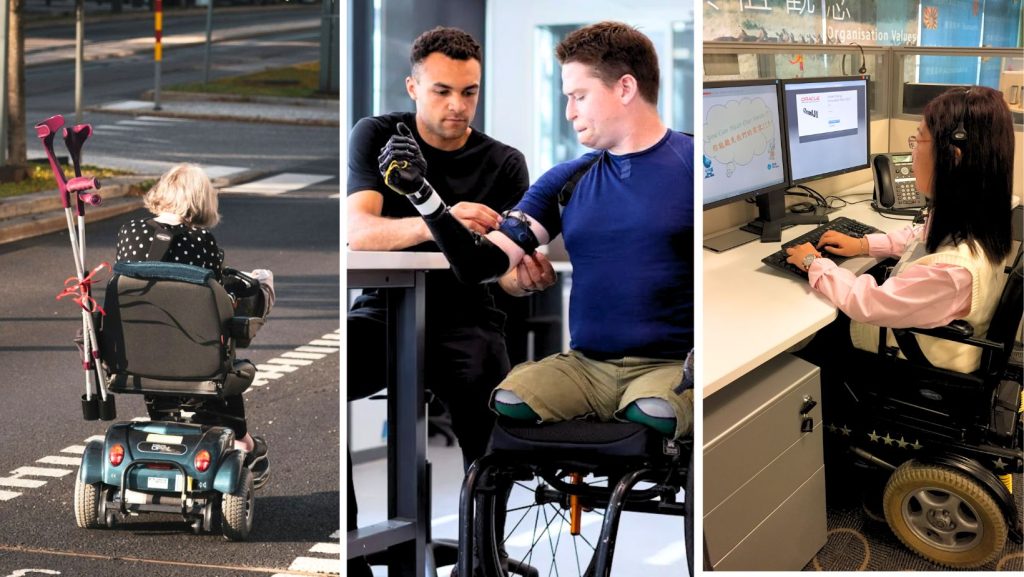
Top AI Tools for People with Disabilities
“We’re happy to report there are too many AI tools for people with disabilities to show off at once. We like these options because they target several areas of need.
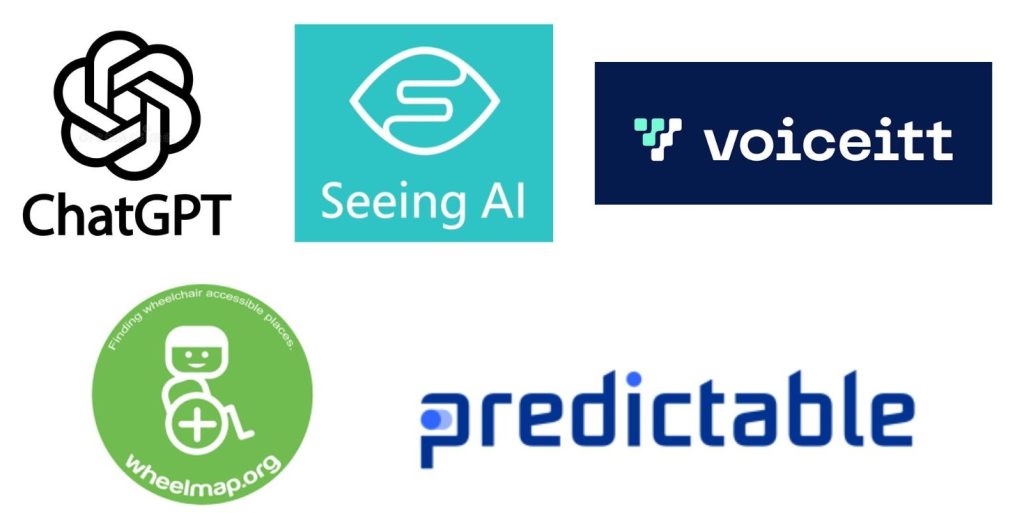
- ChatGPT: Uses AI to scan sources on the web and generate responses based on your request.
- Microsoft Seeing AI: Uses AI to describe people, text, and objects. This program can read printed text in real-time, identify currency, and recognize friends and their emotions. Use your phone to scan barcodes, read text, and more.
- Voiceitt: Designed for people with non-standard speech. Voiceitt uses AI to learn and adapt to your speech patterns so you can communicate easily.
- WheelMap: Uses AI to map and share information about wheelchair-accessible spaces.
- Predictable: Uses AI to predict text and phrases, which helps people with conditions like ALS or cerebral palsy communicate.” [4]
“Ai is cool and rapidly changing how we will interact with the world around us. But it’s not perfect. Sometimes, it can make mistakes or have inherent biases.
But the future is exciting! AI will keep getting smarter, making it even easier for everyone to use technology—bridging the accessibility gap. By making the web more navigable and information more digestible for individuals with disabilities, AI is promoting digital inclusivity and equality.
It’s an exciting time as we continue to see advancements in this field, bringing us closer to a more accessible internet for all.” [1]
Resources
[1] https://about.att.com/sites/accessibility/stories/how-ai-helps-accessibility
[2] https://www.undp.org/uzbekistan/blog/ai-revolution-it-game-changer-disability-inclusion
[4] https://neuronav.org/self-determination-blog/how-ai-can-help-people-with-disabilities
[5] https://www.simply-home.com/blog-overview/how-can-ai-help-individuals-with-disabilities x`
[6] https://www.linkedin.com/pulse/5-ways-artificial-intelligence-empowering-people/