
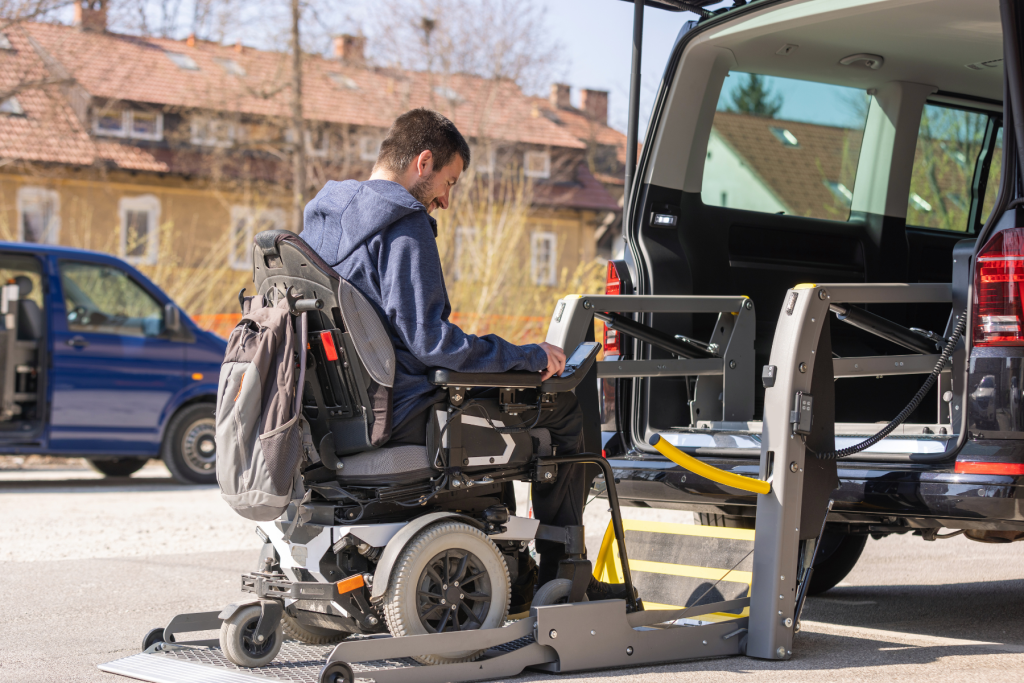
“Mobility is entering a new age of innovation. Mobility is one of the hottest sectors, with start-ups and traditional OEMs constantly developing new technologies and transportation options. The influx of innovative solutions has yet to solve the problem of congested roads, however, and almost every country is feeling the effects. Worldwide, 1.3 billion vehicles are now in use, and many of these are privately owned.” [1]
“Emerging mobility technologies present tremendous potential for safety and accessibility improvements in urban mobility—but only if the public and private sectors work together to adopt them in a thoughtful and balanced way.” [2]
“Mobility technology should leave behind the idea that it takes increasingly more complicated technological advancements to provide accessibility for more people. There are still things we can do to give more people the mobility options they deserve. Additionally, many people think all wheelchair users want to be upright and walk, and this has led to a lot of effort being placed on exoskeletons and devices that put people in upright positions. These tend to be cost prohibitive and not always the most practical devices to take with you when you are on the go, which is ironic considering the goal of improving one’s mobility. While these devices will absolutely benefit some people, we shouldn’t forget how to optimize opportunities to increase access to mobility in ways that are more physically and financially accessible.” (Dr. Feranmi Okanlami is a practicing physician with a passion for making medical facilities more inclusive for individuals with mobility challenges.) [3]
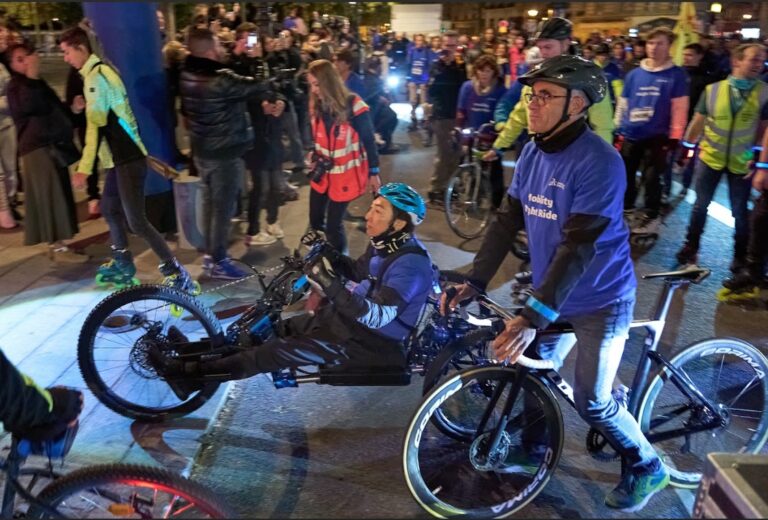
1) Embracing Inclusivity
“Access to transport is a critical aspect of modern life. However, for individuals with disabilities, it can often be challenging to find accessible options. One of the most significant trends shaping the future of transportation is a growing commitment to inclusivity. Public transport providers are increasingly focusing on making their services accessible to everyone, regardless of their physical abilities. Key developments in inclusivity include:
- Wheelchair-accessible vehicles: More cities are investing in accessible vehicles equipped with ramps or lifts, making it easier for wheelchair users to board buses and trains.
- Accessible infrastructure: The construction of accessible bus stops, train stations, and transit hubs is on the rise, ensuring that people with disabilities can navigate their journeys seamlessly.” [4]
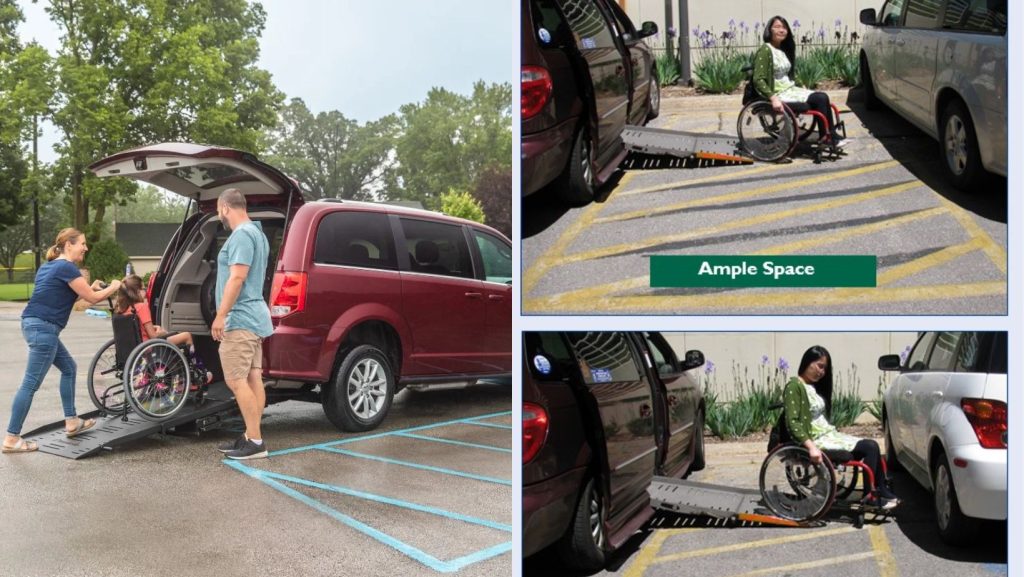
2) Accessible Parking Solutions:
“Parking can be a significant hurdle for individuals with disabilities, but emerging technologies are addressing this issue by making parking more accessible and manageable. Smart parking systems integrate sensors, cameras, and real-time data analytics to provide information on available accessible parking spaces. These systems can guide drivers to the nearest available spots, reducing the frustration and time spent searching for parking. Mobile apps designed for accessible parking, such as Blue Badge Parking and WheelMate, are making it easier for users to find, reserve, and navigate to accessible parking spaces. These apps often include user-generated reviews and ratings of parking spots, giving people with disabilities reliable information about the accessibility and condition of the spaces.” [5]
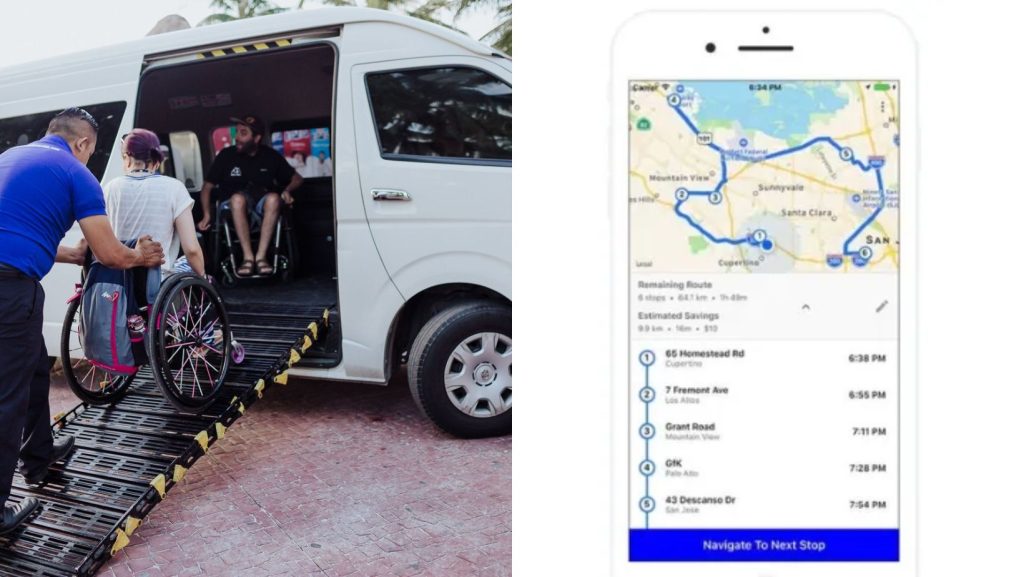
3) Ride-Sharing Services
“The rise of ride-sharing services has significantly impacted the way people access transport. These services offer a level of flexibility and convenience that can be especially beneficial for individuals with disabilities. Key points to note about ride-sharing services:
- Accessible vehicles: Many ride-sharing platforms now offer options for wheelchair-accessible vehicles, expanding transportation choices for disabled passengers.
- Assistance services: Some platforms provide assistance services, such as helping passengers with mobility challenges enter and exit vehicles.” [4]
4) Smart Navigation and Route Planning
“Modern GPS systems are more sophisticated than ever, incorporating real-time traffic data, weather updates, and accessible route planning. This is particularly beneficial for drivers or passengers with specific mobility needs, as these systems can identify wheelchair-accessible routes, parking spaces, and rest stops.
Apps integrated into accessible vehicles allow users to plan their journeys in advance, minimizing the stress of unexpected obstacles. These features contribute to a smoother, more predictable travel experience for individuals and their families.” [6]
5) Multimodal platforms and digital payments
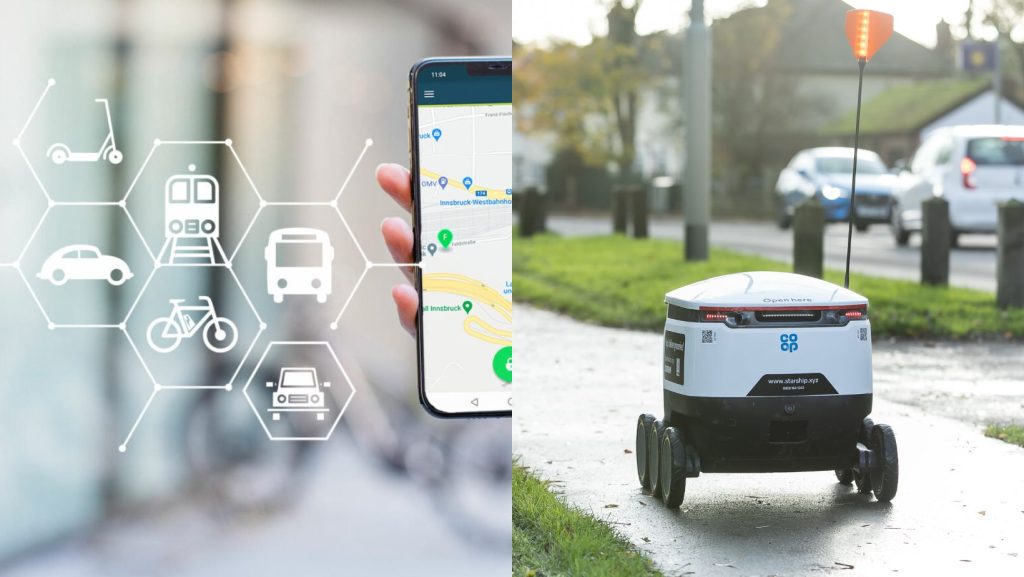
“The integration of multimodal platforms and digital payment systems provides users with a one-stop solution for planning, booking and paying for various modes of transportation. It opens up unified mobility management spaces with buses, trains, metros, ridesharing services and even micro mobility such as electric scooters and shared bikes.
Access to different transport services through a single digital platform has improved the overall travel experience for citizens, making it smoother and easier. The use of digital payment systems has streamlined the transaction process, providing autonomy and reducing waiting times. This technological solution not only saves time for users, but also contributes to a more efficient and cost-effective means of managing and operating public transportation systems. In these environments, users can easily recharge their accounts, purchase tickets and access real-time information.
This compilation of services has significantly expanded the options available to people with diverse mobility needs. This represents a breakthrough in creating a more inclusive transportation system tailored to individual needs.” [7]
6) Autonomous vehicles and delivery robots
“The integration of autonomous vehicles and delivery robots into the fabric of urban transportation has opened new frontiers for improved accessibility and convenience.
Autonomous vehicles, equipped with advanced sensing and processing capabilities provide a safe, reliable and flexible mode of transportation. Their use generates the dual benefit of reducing congestion and improving accessibility in urban areas.
These are not only vehicles linked to ground transportation, but also include air mobility vehicles. The latter require reduced and highly optimized installations thanks to their vertical take-off and landing systems.
Through the combination of sensors and route planning algorithms, these delivery robots can navigate prioritizing pedestrian safety and accessibility. Safe and sustainable coexistence can be achieved.” [7]
Benefits of implementing new technologies in mobility services
“The integration of new technologies such as artificial intelligence, IoT and cloud computing into mobility is revolutionizing the way we move.
Among the most obvious benefits are:
- The improvement of multimodal transportation planning systems.
- Optimization of time spent on mobility with the associated lower environmental impact.
- The creation of more accessible options for people.
- The creation of smart cities.
- Increasing safety in public spaces.
- The exploration of new forms of mobility.
- The promotion of electric mobility.
But this list is continually and constantly expanding.” [7]
“The rapid pace of innovation in accessible vehicle technology underscores the importance of inclusivity in transportation. From smart features and automation to eco-friendly designs, these advancements are enhancing mobility for individuals with disabilities, providing them with greater freedom and independence.” [6]
Resources
[2] https://www.bcg.com/industries/public-sector/mobility
[3] https://www.braunability.com/us/en/community/the-driving-force/future-mobility-technology.html
[5] https://know-the-ada.com/technology-for-accessible-transportation-current-trends/
[6] https://www.southernbusandmobility.com/technology-in-new-wavs/
[7] https://www.openvia.io/how-new-technologies-are-helping-in-making-mobility-more-accessible/