
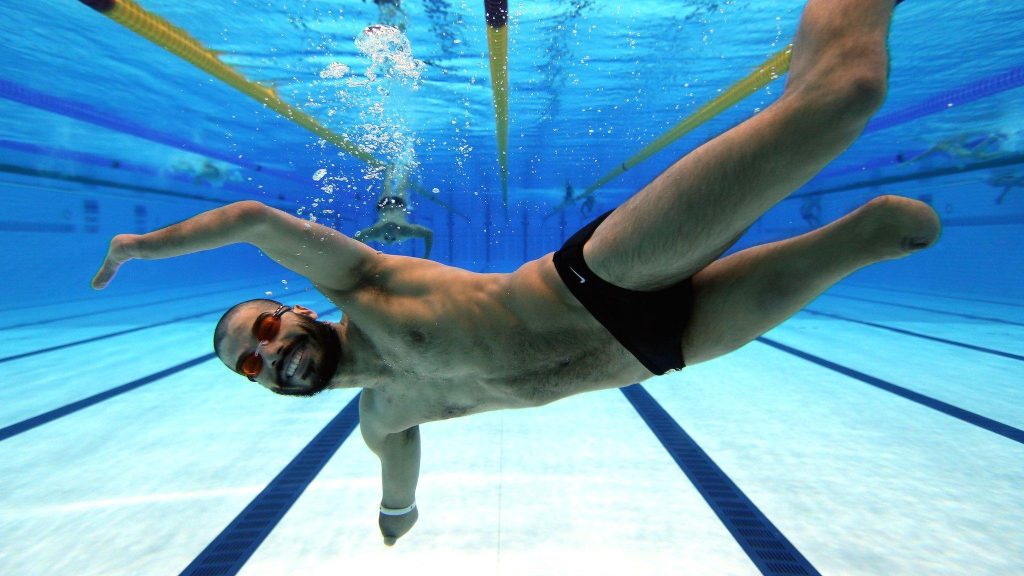
“Fewer than 50% of American adults with a mobility disability engage in aerobic activity.
Aerobic activity is essential to physical, emotional, and mental wellbeing. The good news is that there are a variety of aerobic activities that people with disabilities can engage in” [1].
“Swimming is a great sport and activity, not only because of the neurological and social benefits, but because it is an activity that benefits everyone!” [2]
Swimming offers numerous physical, mental, and social benefits for people with disabilities. Here are some of the key advantages:
1. Physical Benefits
- Low-impact exercise: The buoyancy of water reduces stress on joints and bones, making movement easier and less painful.
- Improved muscle strength and tone: Swimming engages many muscle groups, promoting strength and endurance.
- Enhanced flexibility and range of motion: Water resistance helps stretch and strengthen muscles gently.
- Cardiovascular fitness: Regular swimming improves heart and lung function.
- Rehabilitation and therapy: Aquatic therapy is often used to aid recovery and manage chronic conditions.
2. Psychological and Emotional Benefits
- Boosted self-esteem and confidence: Achieving swimming milestones can empower individuals.
- Reduced anxiety and depression: The rhythmic nature of swimming and being in water can have a calming effect.
- Increased independence: Learning to swim can enhance mobility and personal safety.
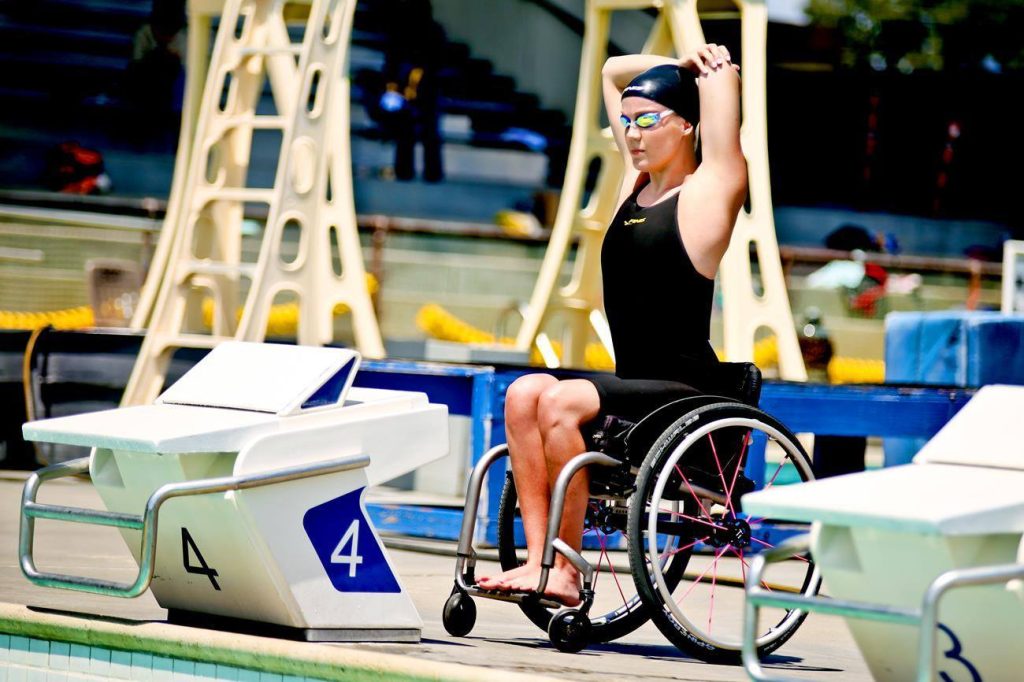
3. Social and Recreational Benefits
- Inclusive participation: Adaptive swimming programs allow individuals to participate alongside others.
- Community building: Swimming can create opportunities for social interaction and teamwork.
- Competitive opportunities: Many people with disabilities take part in competitive events, such as the Paralympics or Special Olympics.
4. Skill Development and Life-Saving Knowledge
- Water safety: Learning to swim can be life-saving, especially for individuals with mobility limitations.
- Coordination and balance: Swimming supports development of motor skills in a safe, supportive environment.
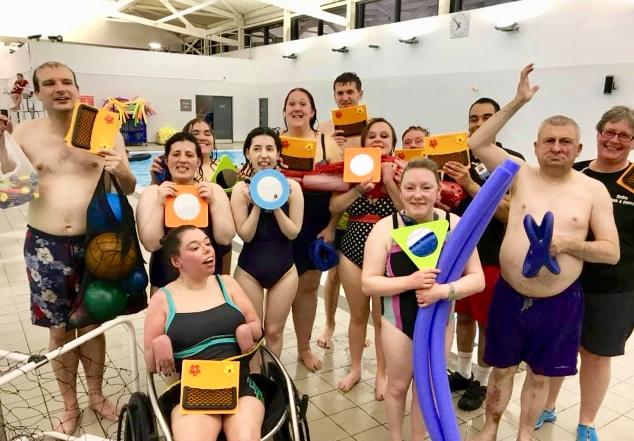
Adaptive swimming exercises
Adaptive swimming exercises are designed to help individuals with disabilities develop water confidence, strength, coordination, and swimming skills in a safe, inclusive environment. These exercises can be customized based on the individual’s needs, mobility, and comfort level. Here are some commonly used adaptive swimming exercises:
Foundational Exercises
1. Water Acclimation
- Objective: Build comfort in water.
- Activities: Splashing, floating toys, blowing bubbles, gentle water pouring over head.
- Adaptations: Use of flotation devices, caregiver assistance.
2. Supported Floating
- Objective: Promote body awareness and relaxation.
- Activities: Back floating with pool noodles or floatation belts.
- Adaptations: Hand support under the head or back, gentle rocking.
3. Arm Circles and Kicks
- Objective: Improve motor control and muscle strength.
- Activities: Practice freestyle arm motions and flutter kicks while holding onto the wall or a kickboard.
- Adaptations: Use of fins, instructor guidance, or assistance devices.
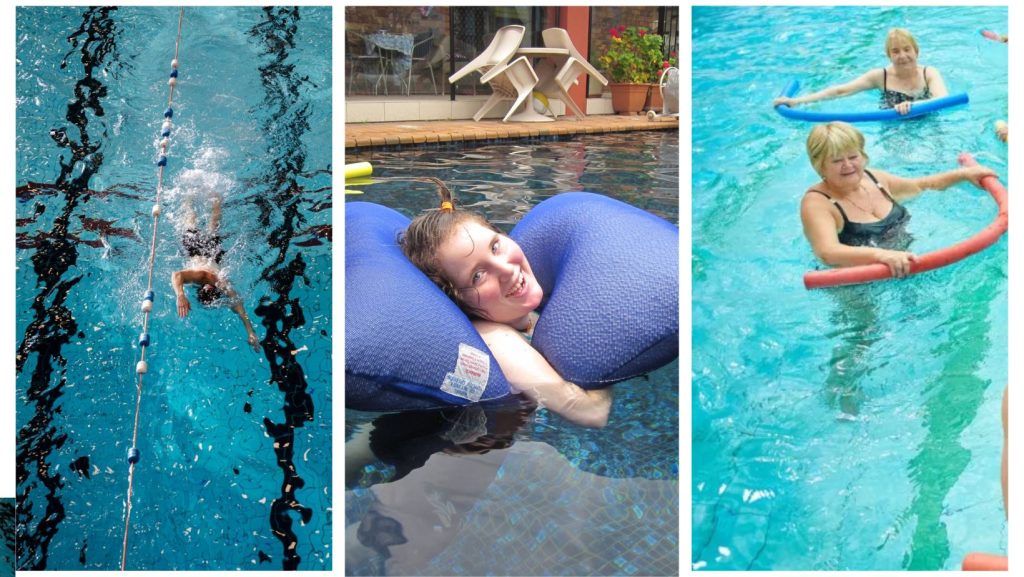
Mobility and Balance Exercises
4. Water Walking or Marching
- Objective: Increase lower body strength and balance.
- Activities: Walk forward/backward in shallow water.
- Adaptations: Use of handrails, parallel bars, or instructor support.
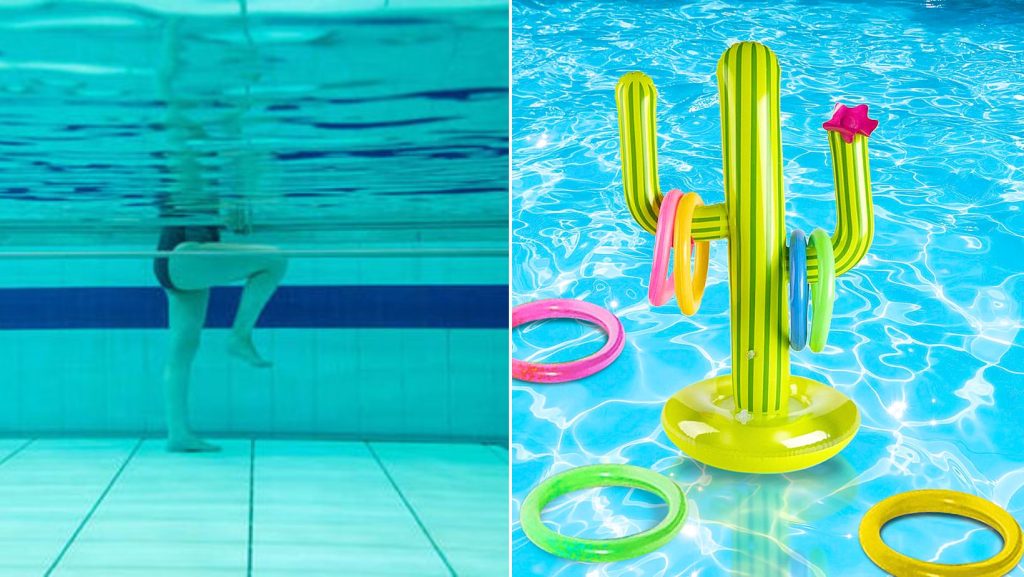
5. Balance Games
- Objective: Improve postural control.
- Activities: Sit on a pool noodle like a horse, toss and catch a beach ball.
- Adaptations: Add flotation belts or use shallow-depth areas.
Sensory Integration and Coordination
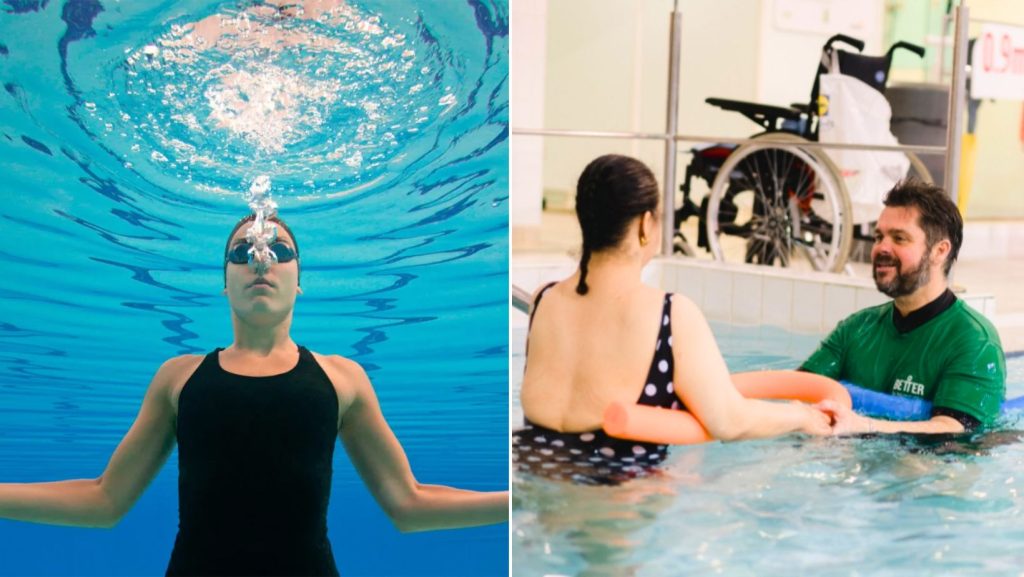
6. Bubble Blowing and Face Immersion
- Objective: Ease fear of water, improve breath control.
- Activities: Blow bubbles through a straw or by mouth, dip chin/nose/face gradually.
- Adaptations: Use visual cues and verbal prompts.
7. Obstacle Courses
- Objective: Encourage movement variety and decision-making.
- Activities: Swim through hoops, around cones, or over pool noodles.
- Adaptations: Simplify course or provide tactile guidance.
Skill Development & Games
8. Modified Swimming Strokes
- Objective: Learn basic stroke techniques.
- Activities: Focus on parts of strokes (e.g., arm pull, leg kick).
- Adaptations: Break skills into small steps, use physical or visual modeling.
9. Water Tag or Follow the Leader
- Objective: Promote fun and social engagement.
- Activities: Chase games or copying instructor’s movements.
- Adaptations: Keep the pace gentle and inclusive.
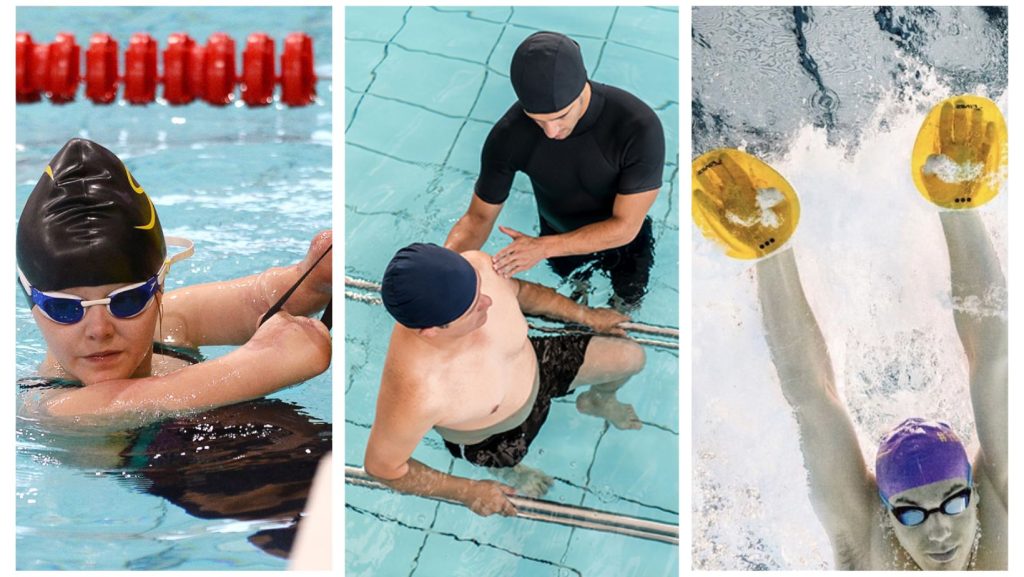
Equipment Often Used:
- Pool noodles
- Kickboards
- Flotation belts or vests
- Swim fins or gloves
- Sensory balls or toys
“The benefits of swimming for people with disabilities range from muscle strengthening to improved mental health. This is one aerobic activity that people of any ability level can enjoy. Beyond enjoyment, though, getting into the water provides a greater sense of independence and confidence.” [1]
Resources
[1] https://www.braunability.com/us/en/blog/accessible-living/benefits-of-swimming.html
[2] https://www.seaotterswim.com/swimming-benefits-individuals-special-needs
[3] https://chatgpt.com/c/6814e68f-e01c-8004-bc1d-7cf5bd70c52e
[4] https://chatgpt.com/c/6814e68f-e01c-8004-bc1d-7cf5bd70c52e